UK wasted £10bn on PPE that left NHS staff poorly protected, Covid inquiry finds

UK Wasted £10bn on PPE That Left NHS Staff Poorly Protected, Inquiry Reveals
Ninoda.com – The UK’s handling of personal protective equipment (PPE) during the pandemic has been criticized as a costly misstep, with an independent inquiry uncovering that nearly £10bn was spent on PPE that failed to adequately safeguard NHS workers and patients. This waste, which accounted for two-thirds of the £14.9bn allocated for protective gear, has sparked concerns over the efficiency of procurement processes and the prioritization of supply chains. Baroness Hallett, the chair of the inquiry, described the situation as “vastly inefficient,” emphasizing how the government’s initial stockpile of masks, gowns, and gloves was nearly depleted by March 2020 despite plans to ensure long-term availability.
Problems in PPE Procurement
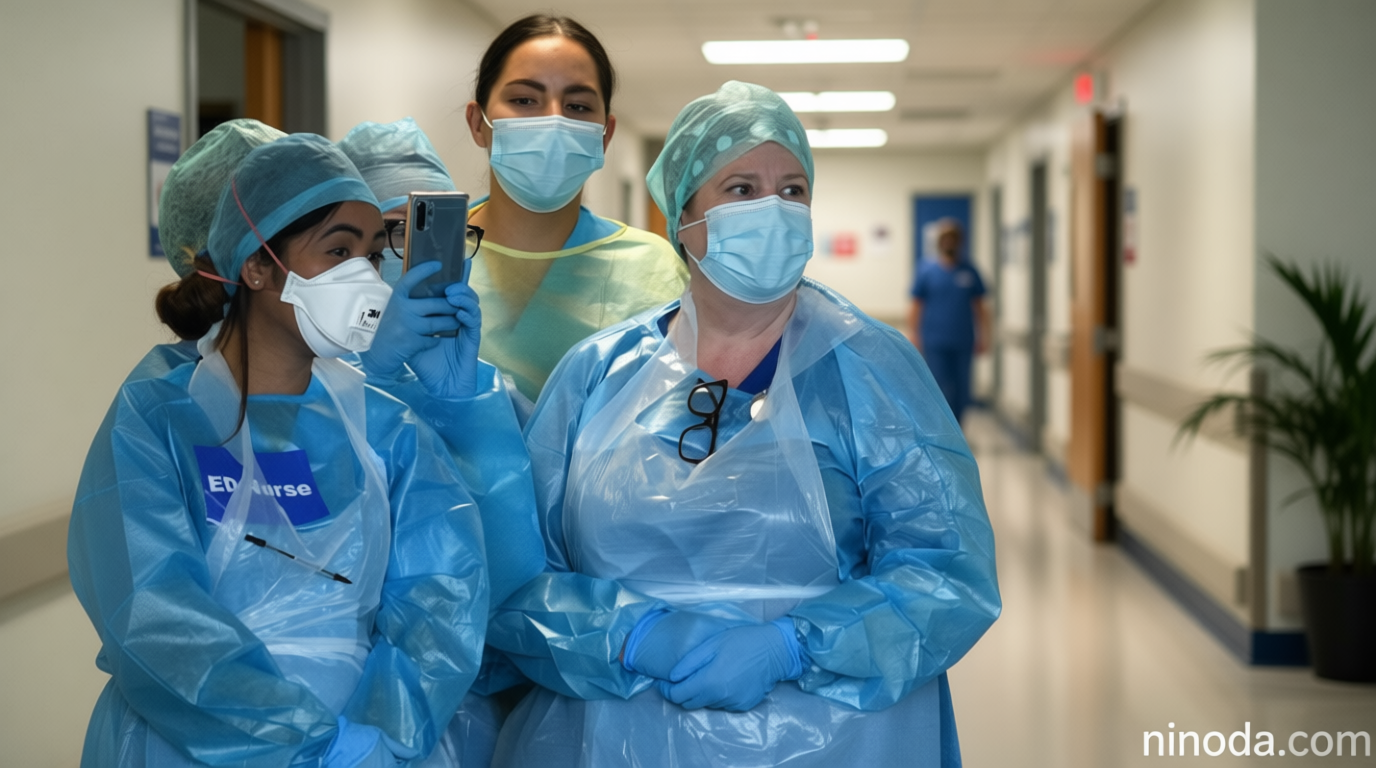
The inquiry highlighted critical flaws in how PPE was managed, particularly the rapid depletion of the emergency stockpile designed to last 15 weeks. By early 2020, only a third of England’s masks were deemed usable, while Scotland faced a complete lack of high-grade respiratory masks for hospitals. Care homes, GP practices, and pharmacies were left to fend for themselves, leading to inconsistent standards of protection across the healthcare system. These shortages not only exposed NHS staff to higher risks of infection but also created logistical challenges in distributing supplies effectively.
“The procurement process was reactive rather than proactive, resulting in significant waste and poor decision-making,” the report stated.
This “major failure in planning” was compounded by the reliance on a VIP lane, a procurement pathway that prioritized offers from politically connected companies. The inquiry found that this system “embedded unfairness in emergency systems” and contributed to the misallocation of resources. While the UK wasted £10bn on PPE that was inadequate, the report also noted that some critical supplies, like ventilators, were managed more efficiently, albeit at a high cost.
Regional Disparities and Expenditure Breakdown
Regional disparities in PPE allocation were a major point of contention. The inquiry revealed that £8m in Scotland, £18m in Wales, and £43m in Northern Ireland were spent on PPE that risked expiring before use. These figures underscore the uneven distribution of resources across the UK, with some areas facing greater shortages than others. The report also detailed how the total cost of PPE and related equipment, including ventilators and testing kits, surpassed £42bn between January 2020 and June 2022. A significant portion of this—£9.9bn—was dedicated to PPE that went unused or expired, raising questions about the long-term sustainability of such spending.
“The UK wasted £10bn on PPE that was not fit for purpose, despite the high stakes of the pandemic,” the inquiry concluded.
This inefficiency was not limited to PPE alone. The “ventilator challenge” initiative, launched to rapidly manufacture breathing devices, cost an additional £143m for designs that never reached production. These examples illustrate the broader issues in emergency procurement, where urgency often overshadowed thorough evaluation, leading to unnecessary expenditures and supply chain vulnerabilities.
Political Influence and Contract Management
The inquiry’s findings point to a lack of transparency in how PPE contracts were awarded, with some evidence suggesting political influence played a role. Companies with ties to key figures were given preferential treatment, which critics argue skewed the procurement process. Although Baroness Hallett ruled out “cronyism or corruption” in the final contracts, she acknowledged the need for stronger oversight to prevent similar overspending in the future. Former cabinet minister Michael Gove, responding to the report, called the allegations of corruption “unfounded nonsense” but admitted that “honest mistakes” were made during the crisis.
As the UK continues to recover from the pandemic, the focus remains on how to learn from these lessons. The inquiry emphasized that the waste of £10bn on PPE that left staff vulnerable could have been avoided with better planning and more rigorous supplier assessments. By the time the crisis reached its peak, the PPE stockpile had been stretched thin, forcing healthcare workers to rely on less-than-ideal equipment. This highlights the importance of balancing speed with accuracy in emergency responses, ensuring that critical resources like PPE are both accessible and effective in protecting those on the front lines.