Climate we had in 20th Century ‘has now gone’ – Met Office

Met Office: The Climate We Knew in the 20th Century Is Now a Historical Memory
Ninoda.com – The Met Office has confirmed that the climate conditions prevalent throughout the 20th century have largely disappeared, marking a significant shift in the UK’s environmental landscape. According to the latest analysis, the weather patterns that once characterized the past century—marked by predictable seasons and moderate temperatures—are now being replaced by more extreme and variable conditions. This transformation is evident across the UK, where once-uncommon weather events are becoming the new normal, forcing communities and industries to rethink their approaches to climate resilience. The report emphasizes that the era of the “climate we had in 20th Century” is fading, as the country faces unprecedented changes in its climate system.
The Disappearance of a Familiar Climate
Historically, the UK’s climate was defined by relatively stable temperatures and seasonal variations that allowed for reliable agricultural planning and weather forecasting. However, the Met Office’s findings reveal that this familiar climate is now a relic of the past. The data shows that the average temperature in the UK has risen by over 1°C since the 1961-1990 baseline, with southern regions experiencing the most pronounced warming. This northward shift of heat has led to longer and more intense heatwaves, which now occur with greater frequency than in previous decades. The “climate we had in 20th Century” is no longer sustainable, as the nation grapples with increasingly unpredictable weather.
“The climate of the 20th Century has now gone, and we are witnessing a new climate regime emerging,” stated Mike Kendon, a climate scientist at the Met Office. “This is not just a shift in temperature but a transformation in the entire climate system, with implications for ecosystems, infrastructure, and human health.”
Heatwaves and the Cost of a Warmer World
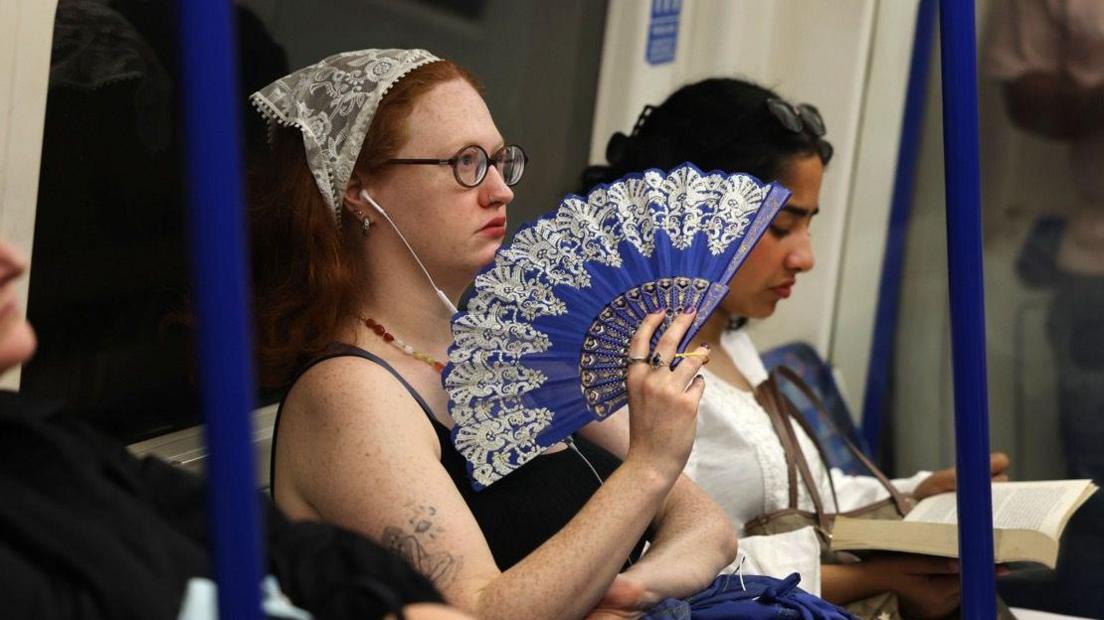
The summer of 2025 set a record for the warmest year since 1884, with the decade 2016-2025 registering a 1.33°C increase compared to the 1961-1990 period. This warming trend has already impacted public infrastructure, as heatwaves in southern England strain transportation networks and energy grids. The Met Office’s analysis highlights that the number of extreme heat days has surged, with Greater London seeing more than quadrupled instances of days exceeding 30°C and nights surpassing 18°C. These changes are not just seasonal anomalies but a clear sign of the “climate we had in 20th Century” being replaced by a hotter, more volatile climate.
“The pattern of extreme weather is accelerating,” Kendon added. “We are seeing heatwaves that were once rare becoming frequent, which has serious consequences for both urban and rural areas.”
Changing Precipitation Patterns and Drought Risks
Alongside rising temperatures, the Met Office warns of shifting precipitation patterns that are exacerbating drought conditions. Spring 2025 recorded the driest season in over a century, with England and Wales receiving less than half their typical rainfall. This has led to critically low river levels, with the second-lowest water levels recorded from March to August, a stark contrast to the wetter springs of the past. The “climate we had in 20th Century” was defined by a balance between rainfall and dry periods, but this equilibrium is now under threat. Prolonged droughts are expected to become more common, posing risks to water supply, agriculture, and biodiversity.
Broader Impacts on Ecosystems and Human Health
The changes in climate are not limited to temperature and rainfall; they are also affecting ecosystems and public health. The UK is losing its coldest habitats, particularly in mountainous regions, as warming temperatures push species to higher altitudes or latitudes. This has disrupted natural habitats and threatened local wildlife. Meanwhile, the increasing frequency of heatwaves has led to a rise in heat-related illnesses and fatalities, with over 2,700 deaths estimated in England and Wales alone during May and June of this year. The “climate we had in 20th Century” once provided a buffer against such extremes, but today’s conditions demand more proactive measures to protect vulnerable populations.
Future Projections and the Need for Adaptation
Looking ahead, the Met Office projects that the UK will face more intense winters with heavier rainfall and flooding, as well as hotter, drier summers that increase the risk of wildfires. These changes are expected to compound existing challenges, from urban heat islands to coastal erosion. The “climate we had in 20th Century” is no longer a reliable framework for planning, as the country must adapt to a future marked by greater climate variability. Experts stress the importance of investing in infrastructure, early warning systems, and sustainable practices to mitigate the impacts of this new climatic reality.
As the UK continues to transition from the climate of the 20th Century to a warmer, more extreme one, the need for comprehensive climate action has never been more urgent. The Met Office’s report serves as a critical reminder that the past is no longer a guarantee for the future. Understanding and preparing for the “climate we had in 20th Century” has become a foundational step in building resilience against the challenges of tomorrow. With climate change accelerating, the nation must embrace innovative solutions to ensure its ability to thrive in the new era of weather patterns.