Schoolchildren run from collapsing roof as ground shakes in Philippines quake

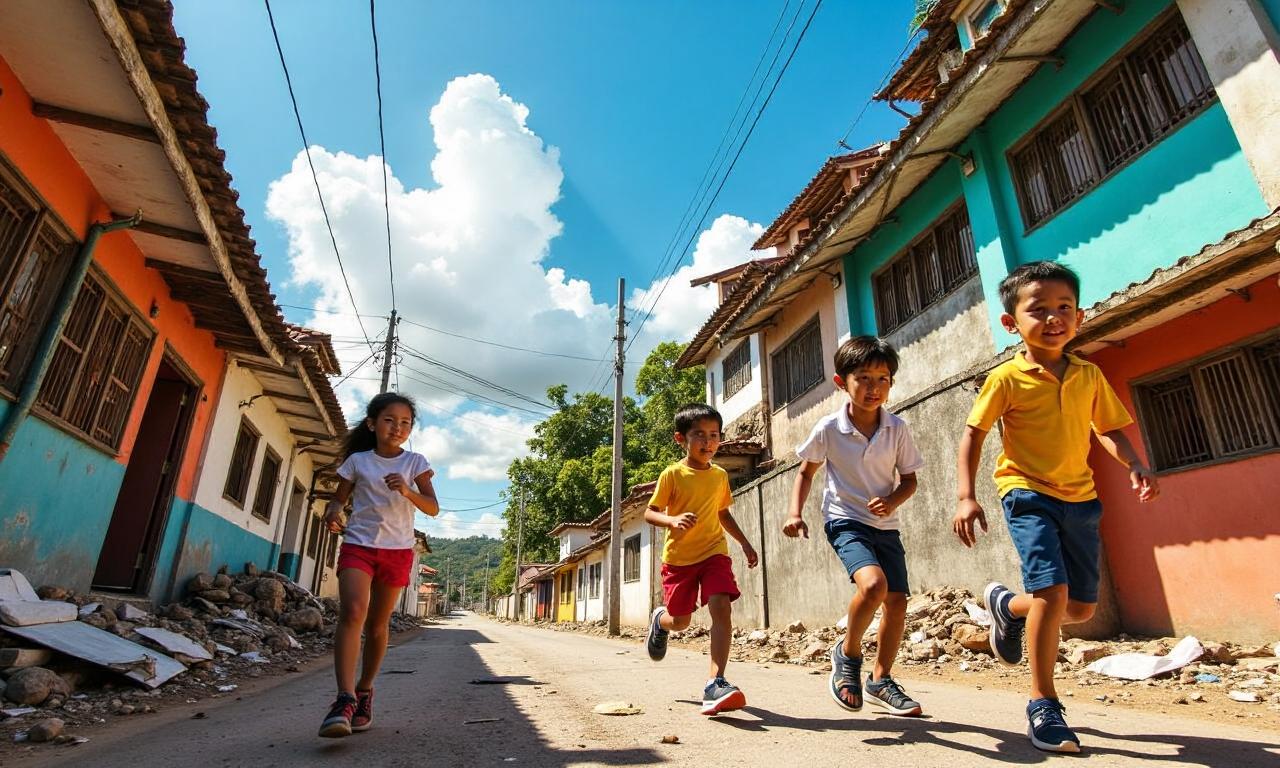
Schoolchildren Evacuate Amid Philippines Quake’s Collapsing Roof
Ninoda.com – During a sudden 7.8-magnitude earthquake in the southern Philippines, schoolchildren scrambled to safety as a roof collapsed at a local school in Digos. The event unfolded on [insert date], sending shockwaves through the region and causing panic among students and staff. Despite the chaos, no injuries were reported, thanks to the quick actions of the school’s management and the calmness of the pupils. The collapse of an outdoor structure highlighted the vulnerability of school buildings in seismically active areas, prompting immediate safety checks and reassurances from the institution’s Facebook page.
Quake Aftermath and Regional Response
The initial tremor triggered over 130 aftershocks, with magnitudes ranging from 1.3 to 6.7, as seismic activity continued to shake the region. While the Philippines confirmed at least 32 fatalities, the national disaster agency is still verifying the full casualty count. In the immediate aftermath, local authorities mobilized emergency teams to assess damage and ensure the safety of residents in affected areas. The incident at the school served as a stark reminder of the need for robust disaster preparedness, especially in communities prone to frequent earthquakes.
“The staff and students displayed remarkable composure during the emergency, which minimized risks and ensured a swift recovery,” stated the school’s Facebook update, emphasizing the importance of training and drills in such situations.
This proactive approach underscored the value of preparedness in mitigating the impact of natural disasters. Schools in the Philippines, like many other regions, often conduct regular earthquake drills, and this event likely reinforced the effectiveness of those measures.
Global Context and Disasters Beyond the Philippines
While the Philippines grappled with the immediate effects of the quake, similar disasters unfolded elsewhere. In Malaysia’s Sabah state, a factory fire displaced thousands, adding to the global tally of crisis events. Meanwhile, in Pakistan, a recent attack claimed lives and sparked debates over targeting military and terrorist infrastructure. These incidents collectively illustrated the unpredictable nature of natural and human-made disasters, keeping the world’s attention on areas most at risk.
Amid the chaos, the Philippines’ education system remained a focal point. The collapse at the school in Digos raised questions about the structural integrity of buildings in quake-prone zones. Experts noted that while the earthquake’s magnitude was significant, the lack of injuries suggested that existing safety protocols were largely effective. However, the event also highlighted the need for continuous improvements in disaster response planning, particularly in densely populated urban areas.
Lessons from the Crisis
The incident at the Digos school provided valuable lessons for emergency management. Rapid communication via social media allowed the institution to reassure the public quickly, showcasing the role of digital platforms in disaster response. Furthermore, the way students and staff navigated the situation demonstrated the importance of regular drills and clear evacuation procedures. As the Philippines continues to face seismic threats, such incidents serve as critical reminders of the need for resilient infrastructure and community readiness.
On a broader scale, the earthquake reflected the challenges of living in a region with high seismic activity. The Philippines, situated along the Pacific Ring of Fire, experiences frequent tremors, and this event added to the list of notable disasters in the area. While the focus remains on the safety of the schoolchildren, the quake also prompted discussions about long-term strategies to safeguard schools and other public facilities. As the world watches, the Philippines’ ability to respond swiftly to such crises will likely shape future preparedness efforts across the nation.