Couples free to marry at the beach or the pub under new plans

New Wedding Law Proposals in England and Wales Expand Ceremony Venues
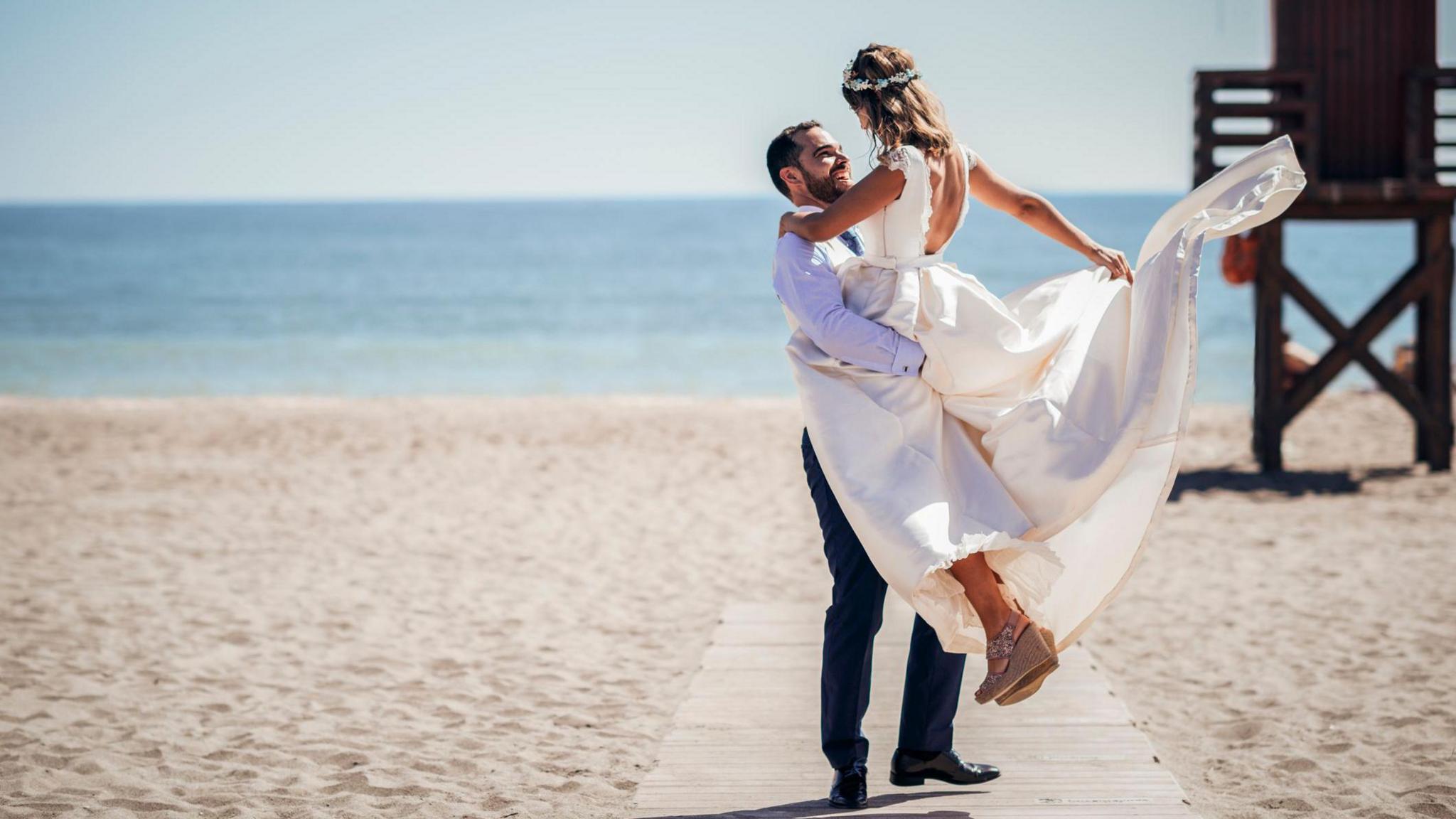
Ninoda.com – The UK government is set to introduce groundbreaking changes to marriage laws in England and Wales, allowing couples to tie the knot in unconventional settings such as private residences, public spaces, or even on cruise ships. These reforms, described as the most significant update to wedding regulations in over 200 years, aim to reduce costs and provide greater flexibility for couples. The proposal follows a consultation period and is part of broader efforts to modernize legal frameworks.
Rationale Behind the Reform
The government argues that existing marriage laws are “outdated” and have not adapted to contemporary societal shifts. By permitting ceremonies in diverse locations, the goal is to make weddings more accessible while maintaining the integrity of the legal union. The reforms also seek to address the rising expenses of traditional weddings, which have reached an average cost of £21,990 in the UK, according to recent data.
Approved Venues and Dignity Framework
Under the proposed changes, couples could legally wed at approved locations, including beaches, castles, or hot-air balloons, provided the officiant is registered. However, the plans include a “dignity framework” to ensure the ceremony retains its solemnity. Activities like skydiving or rollercoasters, which the government considers excessive or playful, would be excluded to prevent trivialization of the union.
“This would not preclude the inclusion of light-hearted elements such as a reading from Shakespeare, a sing-along to Sweet Caroline, or other similar contributions, so long as these remain within the bounds of dignity and do not amount to excessive or inappropriate displays.” – Consultation document
Relaxing Religious and Cultural Restrictions
The new rules would also allow couples to incorporate religious elements, such as Bible readings, into civil ceremonies. Additionally, non-religious organizations like Humanists would be permitted to officiate legally binding weddings. This shift reflects the government’s intention to broaden cultural inclusivity while ensuring legal validity.
Minister’s Statement on the Changes
Deputy Prime Minister and Justice Secretary David Lammy emphasized the importance of reform, stating, “Marriage laws in England and Wales have not kept pace with the social and cultural changes that have shaped modern Britain. They say you can’t put a price on love – but too often, the cost of weddings puts this commitment out of reach.” He added that the changes would empower couples to celebrate their unions on their own terms, while reinforcing the significance of marriage.
Consultation and Implementation Timeline
The government plans to finalize the details of the reforms after the consultation concludes on 24 September. Once approved, new legislation will be required to enact the changes, likely delaying their implementation until next year. Skydiving ceremonies, for instance, would be barred to preserve the “dignity” of the event.
Comparative Legal Frameworks
Scotland has long offered couples more freedom in choosing wedding venues, with ceremonies legally permitted in a wide range of locations, from glens to islands. In contrast, Northern Ireland maintains stricter rules, requiring civil weddings to take place in approved venues, though religious marriages have no such restrictions. These differences highlight the varied approaches across the UK.
Law Commission’s Role in the Reforms
The proposals stem from recommendations by the Law Commission, which concluded in its 2022 report that current marriage laws, dating back to the 18th and 19th centuries, are “complicated, inefficient, unfair, and needlessly restrictive.” The government has committed to modernizing these laws, addressing both accessibility and the preservation of marriage’s ceremonial weight.