The financial winners and losers from the World Cup

The Financial Winners and Losers from the World Cup
Ninoda.com – The 2022 World Cup in Qatar marked a significant shift in the scale of global football events. With more participating nations and a larger number of matches, the tournament attracted unprecedented global attention. This surge in viewership has translated into substantial financial gains for stakeholders, though not all parties have shared equally in the wealth.
FIFA’s Revenue Surge
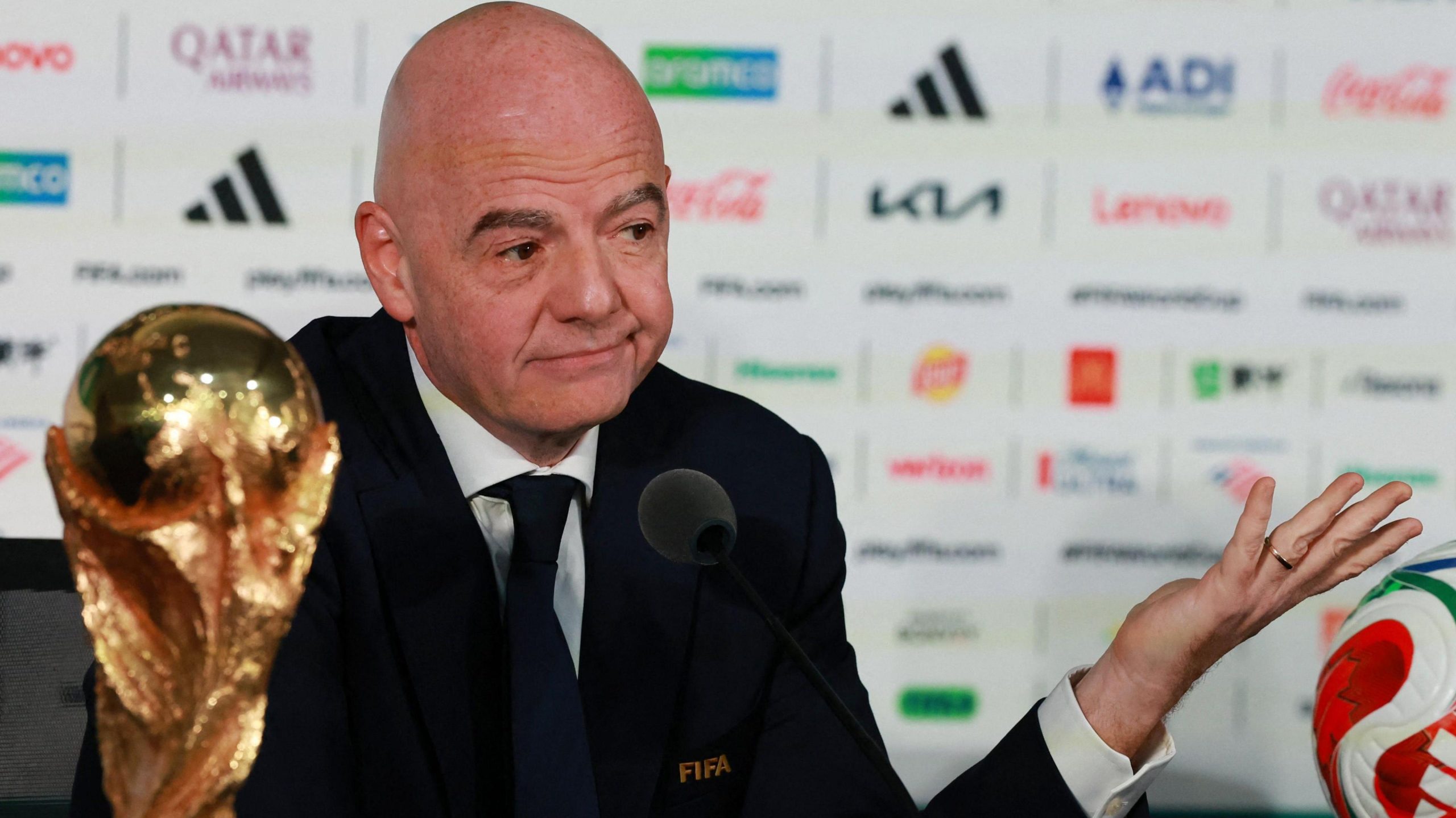
FIFA, the governing body of world football, has emerged as the clear financial beneficiary. The organization reported a record $7.6bn in revenue from the Qatar 2022 tournament, and projections suggest even higher earnings for the 2026 event in the US, Canada, and Mexico. This expansion to 48 teams is expected to further boost income, with FIFA’s revenues over the four-year cycle anticipated to approach $13bn.
“FIFA is ‘without question’ the main winner with its revenues over the four-year cycle period approaching $13bn,” stated Marion Laboure, a senior strategist at Deutsche Bank Research.
FIFA’s income streams include broadcasting rights, licensing agreements, hospitality deals, and ticket sales. The organization also introduced a secondary market resale platform, where it takes a 15% fee from both buyers and sellers. Laboure noted that this strategy is likely to be replicated in future tournaments, especially if FIFA moves toward a 64-team format, potentially incorporating nations like China and India.
Ticket Price Controversy
While FIFA thrives, fans often bear the brunt of rising costs. Ticket prices have soared, with the final at New Jersey’s MetLife Stadium priced at $32,970. Some resale tickets even exceeded $2 million. Despite criticism of FIFA’s dynamic pricing model, which increases prices during peak demand, the organization defends its approach, citing alignment with other major US sporting events.
“The hydration breaks are pure advertising inventory. I’d be extremely surprised if they disappear. The expanded format will stay because scale is now FIFA’s business model,” said Laboure.
Additional expenses have weighed on fans, including flights, food, and accommodation. A notable example was the sharp rise in New Jersey Transit train fares, with a 30-minute journey to the stadium climbing to $150—far above the standard $12.90 return fare. Though prices were later adjusted, they remained elevated compared to normal rates.
Advertising Opportunities
Broadcasters, meanwhile, have capitalized on the tournament’s popularity. The inclusion of hydration breaks during matches has created new advertising avenues, particularly in the US. These 90-second intervals, initially framed as a sporting adjustment, have become valuable commercial spaces. Fox Sports, which paid $485m for broadcast rights, partnered with brands to turn these breaks into sponsored segments.
Ad slots during the World Cup have commanded premium prices, with average costs for a 30-second spot on Fox ranging between $200,000 and $300,000. During the final stages, prices reached as high as $750,000. This has sparked speculation that hydration break ads will remain a staple of future tournaments.
UK fans, however, avoid these ads due to the BBC’s ad-free model and ITV’s commercial restrictions. Official sponsors such as Adidas and Coca-Cola have also reaped benefits, with Adidas investing £50m in a campaign featuring Lamine Yamal, Jude Bellingham, and Lionel Messi. Meanwhile, some unofficial brands have seen reduced visibility, like the Levi’s logo at the Levi’s Stadium in San Francisco.