‘It’s made me have an identity crisis’: Londoners speak out about racist abuse

‘It’s Made Me Have an Identity Crisis’: Londoners Share Racist Abuse Experiences
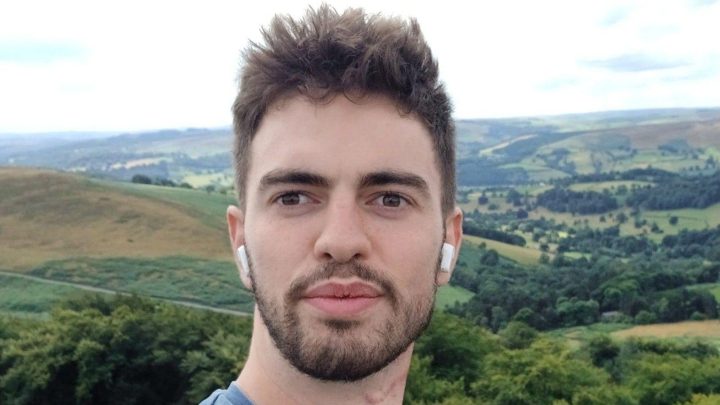
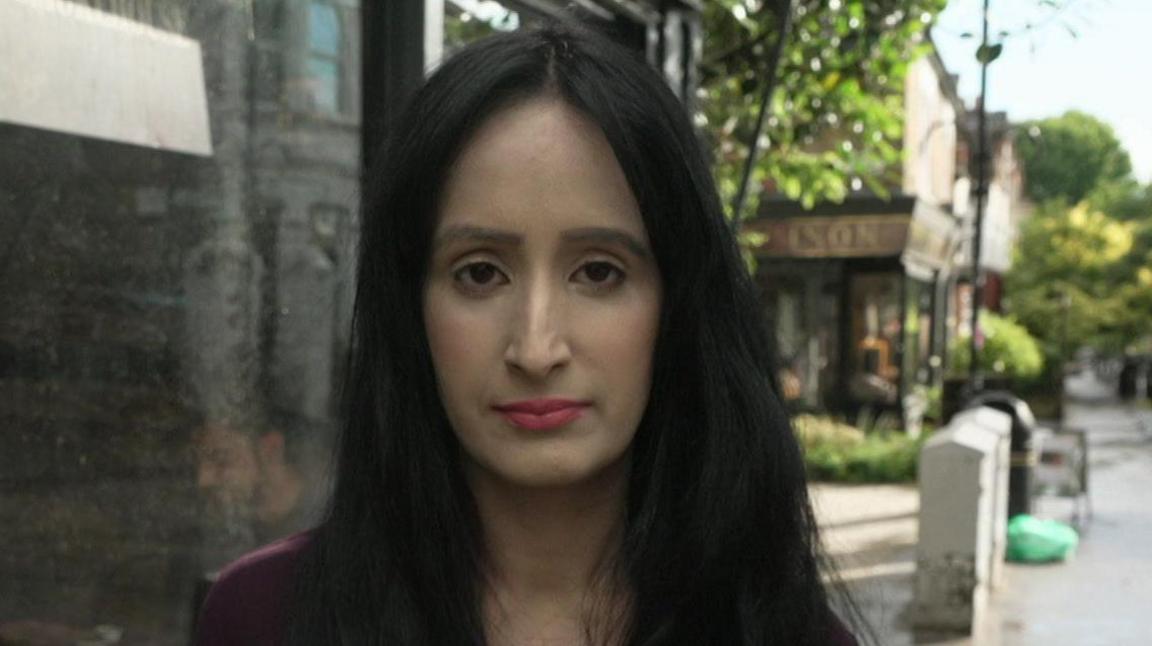
Ninoda.com – Living in a multicultural city like London, one might expect a sense of unity, yet many residents report feeling the sting of racial prejudice. A BBC London reporter recently found herself in a situation that profoundly impacted her sense of self, describing it as an “identity crisis” caused by racist remarks. While walking in her neighborhood, she assumed a man required assistance and removed her earbuds to offer help. Instead, she was met with a barrage of offensive language, including the slur “police protection” and accusations that she “doesn’t belong here.” The encounter, though brief, left her “completely frozen” by the intensity of the hate, and after recording the incident, the man returned to repeat his insults, deepening her distress.
Racial Tensions in Multicultural Spaces
Despite London’s reputation as a melting pot of cultures, racism can still emerge in unexpected ways. The reporter, a British Asian, had moved to the city seeking a sense of belonging after growing up in a less diverse area. However, this incident has shaken that confidence, revealing how even in inclusive neighborhoods, individuals can experience alienation. “It’s made me have an identity crisis,” she said, highlighting the emotional toll of being judged for her appearance in a place she once felt safe. The incident underscores how racism can persist in areas where people assume they are welcomed.
Community Voices and Shared Struggles
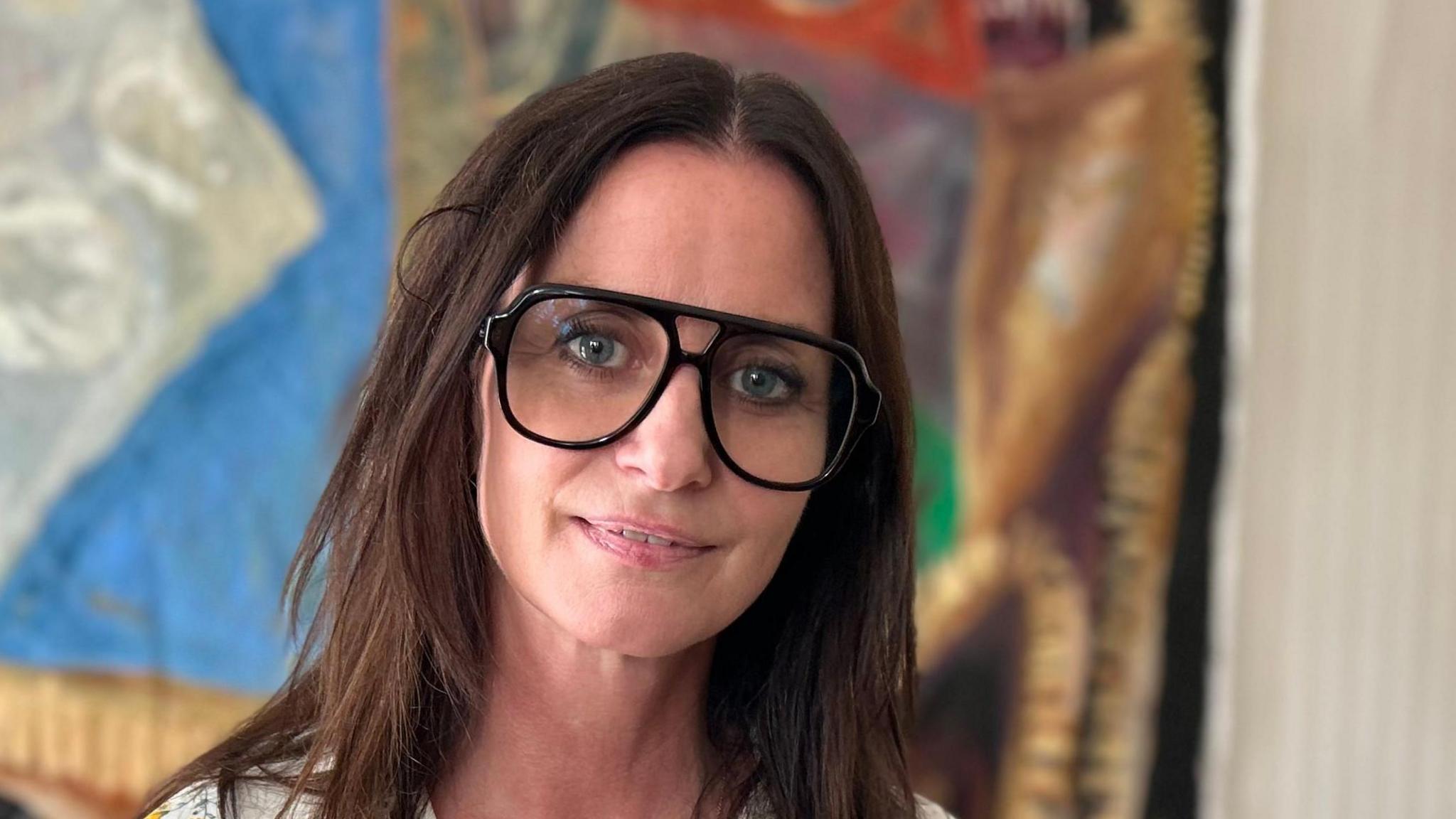
Uzma Hussain, a local business owner in Walthamstow Village, described a similar experience that left her “tearful” and questioning her place in the community. Her restaurant, Axe and Ember Smokehouse, became a target of racial abuse when a woman outside the window mocked her, using the same slur and claiming she “doesn’t belong here.” The incident stretched for over 30 minutes, and the psychological impact was profound. “It’s made me have an identity crisis,” Uzma said, emphasizing how deeply the words affected her. As a lawyer, she noted the surprising intensity of the emotional burden: “It’s just words, but why do I care what someone who doesn’t know me thinks about me?”
“She just started saying some really, really horrible things. She was like, ‘You don’t belong here.'” – Uzma Hussain
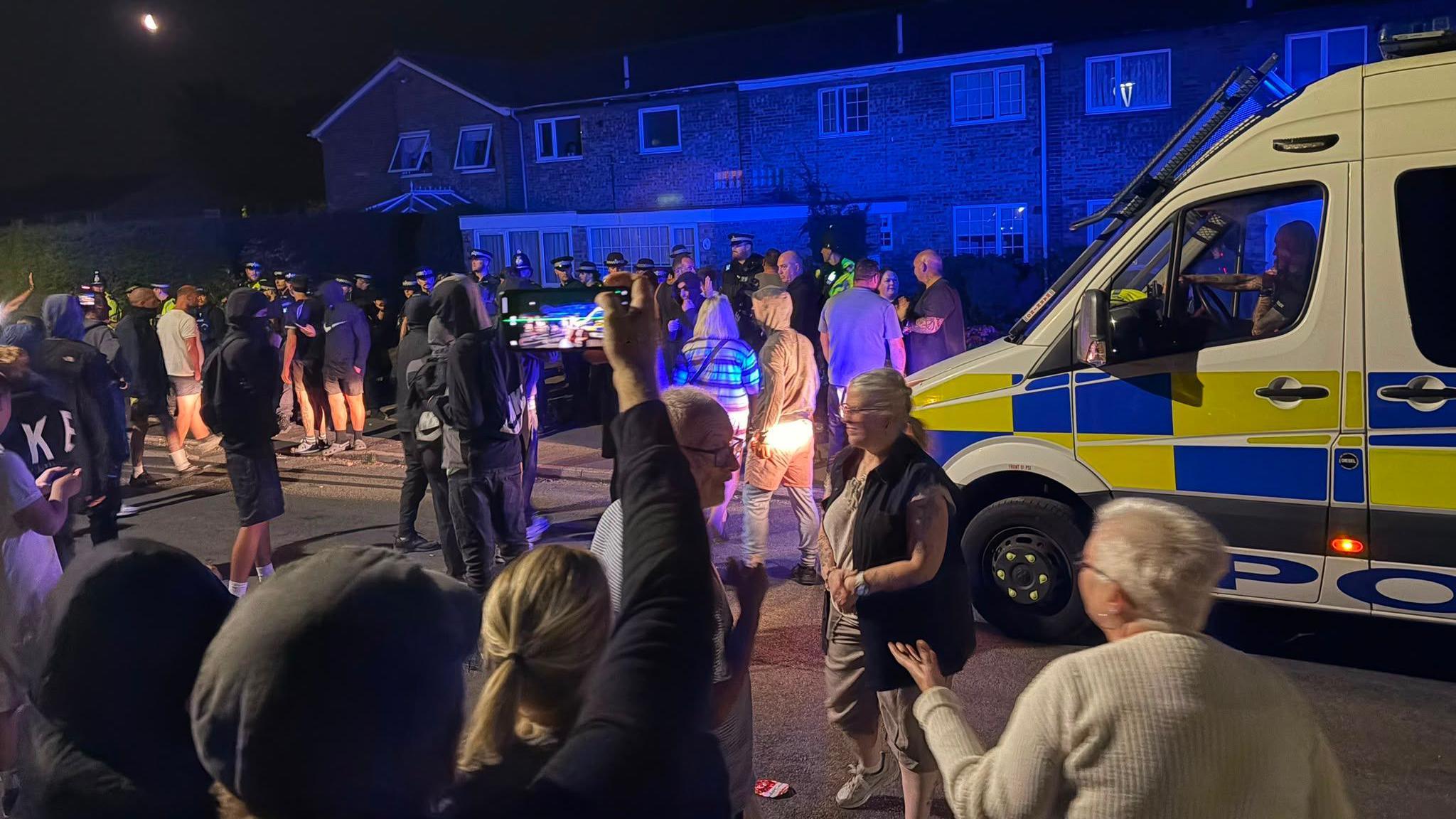
Jimmy Bapu, a food influencer, also felt the effects of racial discrimination during the same event. When he joined Uzma to confront the woman, he too was subjected to abuse, with the crowd echoing her sentiments: “Take those opinions home. They don’t belong in Walthamstow.” “It’s made me have an identity crisis,” Jimmy reflected, noting how the incident altered his perception of self. His British heritage and deep ties to the area did little to shield him from the prejudice, reinforcing the idea that racism can affect anyone, regardless of background.
Broader Context of Rising Hate Crimes
Metropolitan Police data shows a 9% increase in racist hate crimes across London over the last 12 months, with nearly 18,000 reported offenses. While some cases are resolved through legal channels, many incidents go unaddressed, leaving victims to grapple with the aftermath. In Walthamstow, the police responded swiftly, arresting the woman and charging her with racially aggravated public order offenses. This quick action brought a sense of justice, but it also highlighted how systemic racism continues to shape daily experiences for Londoners. “It’s made me have an identity crisis,” the reporter said, noting how the event left her feeling disconnected from her community.
Stories of Discrimination Beyond Local Boundaries
Even in spaces like Wembley Stadium, racism follows individuals beyond their immediate surroundings. Ashlee Moyo, a Chelsea supporter, described being mocked by a Leeds fan during a match. The man directed monkey gestures at her as she exited, a moment that “made me have an identity crisis,” she said. “It’s made me have an identity crisis,” she added, illustrating how racial prejudice can manifest in public spaces, eroding a sense of belonging. These experiences are not isolated; they reflect a pattern of discrimination that affects people across different parts of the city, often in ways they didn’t anticipate.
“It’s like, ‘Wow, they really don’t like us because of the colour of our skin.'” – Jimmy Bapu
Londoners are increasingly aware of how racism impacts their daily lives, with many finding strength in community solidarity. Uzma noted the overwhelming support from others who shared similar stories, creating a network of understanding. Yet, the emotional weight of these encounters remains heavy. “It’s made me have an identity crisis,” she repeated, underscoring the lasting effect of such experiences. As the city continues to grow in diversity, the challenge of combating racism becomes more urgent, with individuals like Uzma and the reporter fighting to reclaim their sense of self in a society that still judges them by appearance.