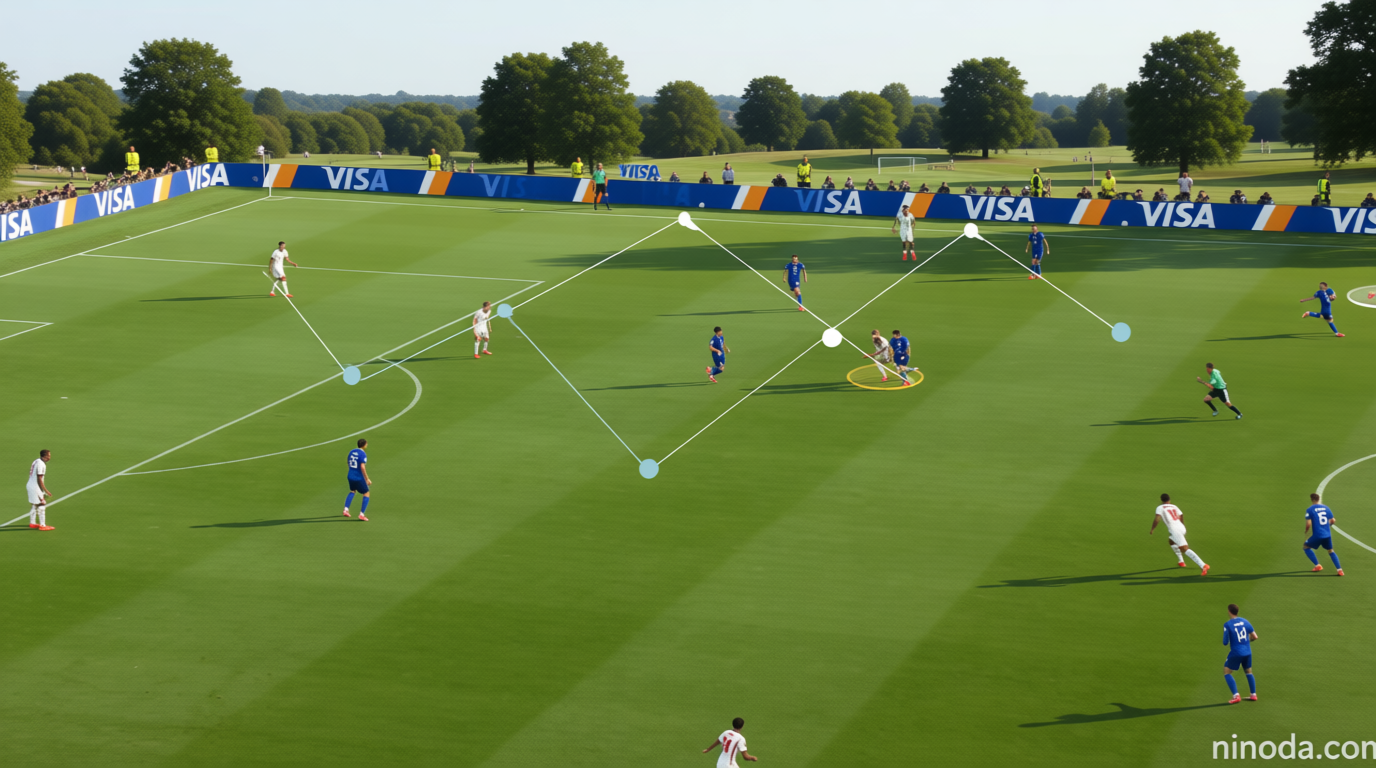
Spain training session cancelled before World Cup final

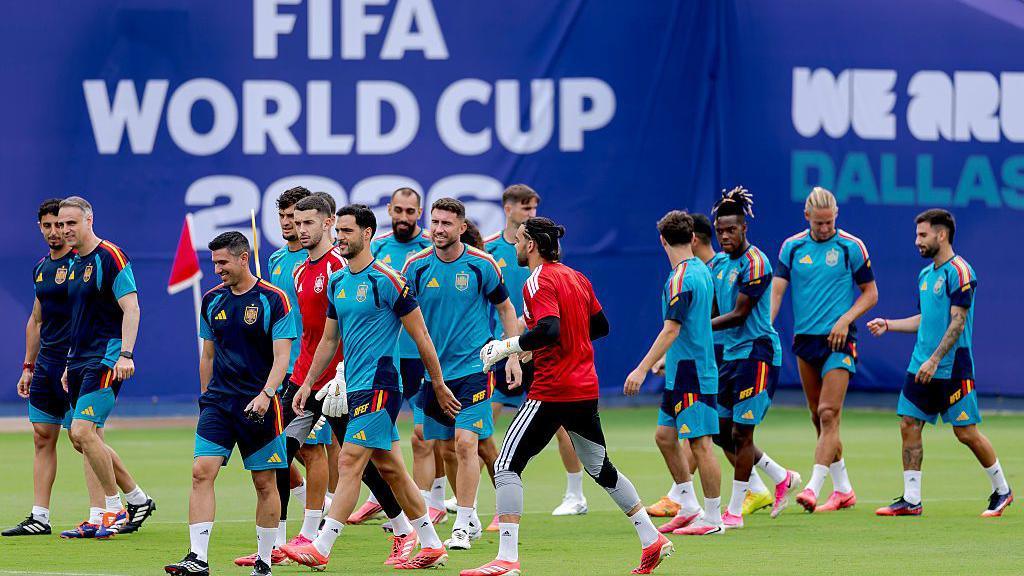
Spain Training Session Cancelled Before World Cup Final Amid Severe Weather Conditions
Ninoda.com – The Spanish national team’s training session for the World Cup final was unexpectedly called off on Saturday due to intense thunderstorms that disrupted preparations in New York and New Jersey. This cancellation marked a significant setback for the team as they aimed to fine-tune their strategies ahead of the high-stakes match. The session, originally scheduled at the Melanie Lane Training Facility in New Jersey, was initially paused and later fully suspended as a safety precaution. Meanwhile, Argentina, Spain’s World Cup rivals, managed to complete their training after a 45-minute delay, just five miles away in Morristown, showcasing their ability to adapt to the challenging weather.
Weather Alert and Emergency Protocols in Action
As the storms intensified, New York City Mayor Zohran Kwame Mamdani issued a flood advisory, emphasizing the need for caution amid the severe conditions. The Spanish Football Federation (RFEF) confirmed the suspension of the training session, citing the urgency of following US storm safety protocols.
“The decision to cancel Spain’s training at the Melanie Lane Training Ground was made to prioritize the safety of players and staff,”
stated an official from the federation. The team was quickly moved to an indoor warm-up facility to continue their preparations without delay.
The US protocols for outdoor sports events require immediate halting of activities if lightning or electrical activity is detected within an eight-mile radius. The 30-minute interval without further strikes is necessary before resuming. Despite the disruption, FIFA confirmed there would be no alternative time for Spain to conduct their training session on Saturday, forcing the team to rely on indoor sessions to maintain their readiness. This adjustment highlights the critical role of weather forecasting in high-profile tournaments.
Impact on Spain’s Final Preparation and Tournament Strategy
The cancellation of Spain’s training session before the World Cup final has raised concerns about how the team will manage their preparation in the remaining days. With the final set for Sunday at the New York New Jersey Stadium, the team faces the challenge of compensating for lost time. Coaches and players are now focusing on optimizing indoor drills to simulate match conditions as effectively as possible. The incident underscores the vulnerability of even the most meticulously planned schedules to unpredictable weather.
Spain’s earlier victory against France, which secured their place in the final, had already set high expectations for their performance. The team’s ability to adapt to this last-minute disruption will be crucial in determining their success in the final. Meanwhile, Argentina, the reigning champions, continues to build momentum as they prepare to defend their title. The rivalry between the two teams adds an extra layer of intensity to the upcoming match, with fans eagerly anticipating the showdown.
Additional challenges were compounded by the health alert issued due to haze from Canadian wildfires, which affected air quality in the region. While this was not directly linked to the training cancellation, it added to the difficulties faced by teams during the tournament. The World Cup 2026 knockout stage is proceeding as planned, with BBC Sport and ITV providing comprehensive coverage of the events. This dual disruption of weather and air quality has forced organizers to be more flexible in their planning, ensuring the safety of all participants.
Spain’s Training Cancellation and Broader Implications for the Tournament
The Spain training session cancellation before the World Cup final serves as a reminder of the unpredictable factors that can influence a tournament’s flow. While the team’s indoor alternatives allow for continuity, the lack of outdoor practice may affect their stamina and team cohesion. Players have expressed their determination to make the most of the situation, with some emphasizing the importance of mental preparation in the face of such challenges. The event has also sparked discussions about the need for contingency plans in future tournaments to mitigate the impact of such disruptions.
Spain’s management has been proactive in addressing the issue, with officials coordinating with local authorities to ensure swift adjustments. The Melanie Lane Training Facility, known for its state-of-the-art equipment, remains a key asset in the team’s preparation. However, the cancellation before the World Cup final highlights the potential for weather-related delays to affect even the most elite teams. As the tournament progresses, the resilience of the Spanish squad will be put to the test, with their ability to adapt likely playing a pivotal role in the final outcome.
Historical Context and Future Outlook for Spain and Argentina
The Spain training session cancelled before the World Cup final is not an isolated incident. Weather disruptions have historically impacted football tournaments, from the 2022 World Cup in Qatar to the 2018 Copa América in Brazil. This event adds to a growing list of examples where natural conditions have influenced the scheduling and execution of matches. Spain, having reached the final, now faces the opportunity to either secure their first World Cup title or extend their wait for another chance. Argentina, aiming to become the third team in history to retain the trophy, will be looking to maintain their dominance despite the challenges posed by the weather.
As the World Cup final approaches, the focus shifts to the players’ performance and the team’s ability to recover from the training session cancellation before the World Cup final. The Spanish squad’s focus on strategy and teamwork will be tested, while Argentina’s experience and composure under pressure could give them an edge. Fans across the globe are closely following the developments, with the upcoming match expected to deliver a thrilling conclusion to the tournament. The Spain training session cancelled before the World Cup final is a testament to the unpredictable nature of sports and the importance of flexibility in high-stakes competitions.