My fitness tracker knew I was pregnant before I did

My fitness tracker knew I was pregnant before I did
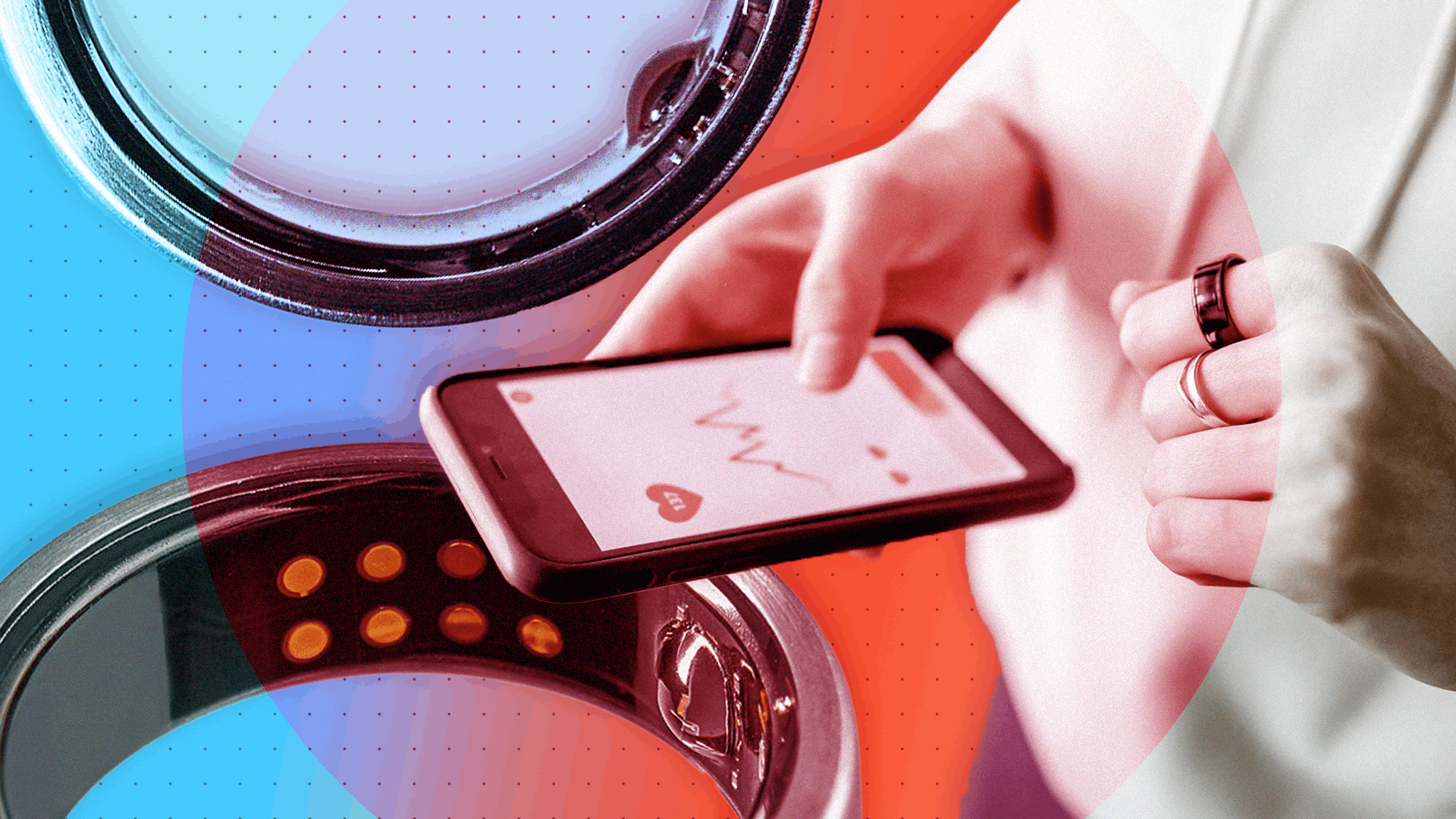
Ninoda.com – Ravika, a 34-year-old solicitor from the West Midlands, was celebrating her birthday during a vacation with her husband when her Oura ring sent an unexpected alert. The device indicated her health score was deteriorating, showing increased heart rate, higher body temperature, and a drop in heart rate variability (HRV). Despite these readings, Ravika felt perfectly fine. When the data remained unchanged for a week, she began researching online and discovered a group of women who shared similar experiences—fitness trackers had flagged signs of pregnancy before they were aware of it.
It took another week for Ravika to take a pregnancy test, which returned a positive result. However, her anxiety grew as she waited for confirmation. The Oura ring’s data became a source of constant reassurance and worry. She would wake up at 4 a.m. each night to refresh her app, desperately checking if her stats still showed low HRV or if her temperature remained high. “I was holding on to hope that it was a viable pregnancy,” she explained, describing the stats as an “obsession” that felt like a “life or death situation.”
“When I would wake up to see the [temperature] line progressing, and then I saw in the app one morning that my temperature had dropped – and that’s how I knew, something’s weird,”
Sofia, 32, recounted her own story. She had previously experienced two miscarriages, both detected by her Oura ring before she even realized she was pregnant. The device’s “major signs” notification alerted her to the changes in her body, giving her a sense of forewarning. During a break from trying to conceive, she noticed “minor signs of strain” again, which coincided with her temperature rising. This prompted her to take a test, and it came back positive. Though this pregnancy was healthy, Sofia remained on edge, frequently checking her app to ensure her temperature didn’t dip.
Tracking Health: A Growing Trend
Fitness trackers—such as smart rings, watches, and chest-mounted devices—have become increasingly popular in the UK. A YouGov survey from January 2026 revealed that 36% of British adults owned and used such devices, nearly double the 18% reported in July 2019. Companies like Finnish-US Oura, India-based Ultrahuman, and Hong Kong-based RingConn dominate the market. These devices are especially favored by those trying to conceive, as they can monitor body temperature, a key indicator of early pregnancy.
In a regular menstrual cycle, body temperature typically rises before a period starts and drops sharply afterward. But in early pregnancy, this temperature remains elevated. Fitness trackers that capture this data can detect the shift sooner than traditional pregnancy tests, which usually require a missed period. Ravika’s experience highlights how these devices are now being used as an early warning system for pregnancy, offering insights that many women previously relied on only after a period was late.