This farmer wanted to quit the cocaine industry – he couldn’t

This Farmer Wanted to Quit the Cocaine Industry – He Couldn’t
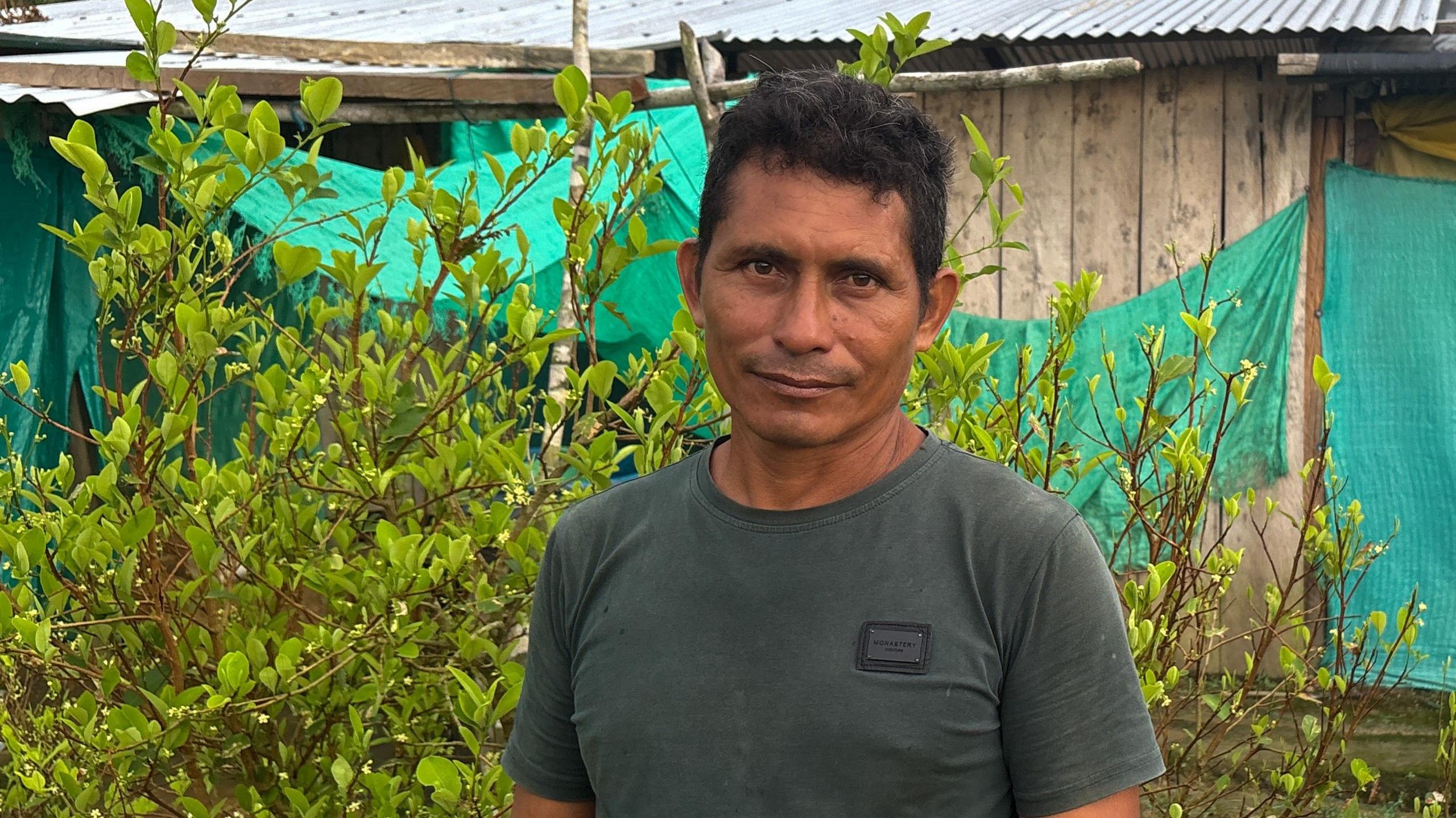
Ninoda.com – In a remote corner of Colombia’s Meta province, coca farmer José Perea made a pledge to abandon the crop that fuels the country’s drug trade. After uprooting the green bushes on his small farm, he replaced them with legal crops like cassava and plantain. Yet, just two years later, he found himself planting coca again. The reasons? A lack of financial support and logistical challenges that made it hard to sustain alternative livelihoods.
The Promise of Change
Perea was among thousands who joined a government initiative to replace illicit coca with legal crops. The program, designed to aid farmers in transitioning, offered resources and guidance. But as he explains, the support never fully arrived. Without roads and facing recurring floods, selling his produce became a struggle. “When you have children and no work, what choice do you have?” he says. “If no help ever comes, you go back to growing it.”
“It’s a tragedy,” says Perea. “But when you have children and no work, what choice do you have? If no help ever arrives, you go back to growing it.”
A Staple of Tradition and Profit
Coca has long been an ancestral crop, used by indigenous communities for tea and medicine. However, in modern times, it’s primarily transformed into cocaine. Colombia supplies an estimated 70% of the world’s illegal drug market, making the coca industry a cornerstone of the country’s economy. Lucas Marín Llanes, a researcher studying coca’s economic impact, notes its appeal: “Harvests are quick—farmers can get three or four a year. It’s easier to transport, and they know what price they’ll get.”
The Substitution Program’s Limits
Initiated in 2017, the National Comprehensive Programme for the Substitution of Illicit Crops (PNIS) was a bold effort to reduce coca cultivation. It emerged from the 2016 peace deal with the FARC, aiming to provide farmers with technical support and financial incentives. Initially, some regions saw progress—lemon trees and banana crops replaced coca fields. But sustained success proved elusive.
Frustrations and Setbacks
For Elena Hernández, who moved to Guaviare during the 1990s coca boom, the program seemed like a lifeline. She left her home in search of better pay, eventually saving enough to buy a house. But the industry also brought violence and instability. Armed groups vied for control, and government efforts to curb production through fumigation and arrests disrupted incomes without stopping growth.
“There was more money back then—you could see it everywhere,” Hernández recalls. “I managed to save and buy a small house.”
When PNIS began, Hernández eagerly signed up, expecting 36 million Colombian pesos ($11,000; £8,000) over two years. However, payments were delayed, and technical assistance often failed to materialize. Weak state presence and poor coordination between agencies left many communities without the help they needed. As political priorities shifted, the program lost momentum, with Iván Duque’s administration refocusing on eradication in 2018. By 2022, under President Gustavo Petro, PNIS had fallen behind schedule and struggled to meet its goals.