Rare identical quadruplets born in Australia

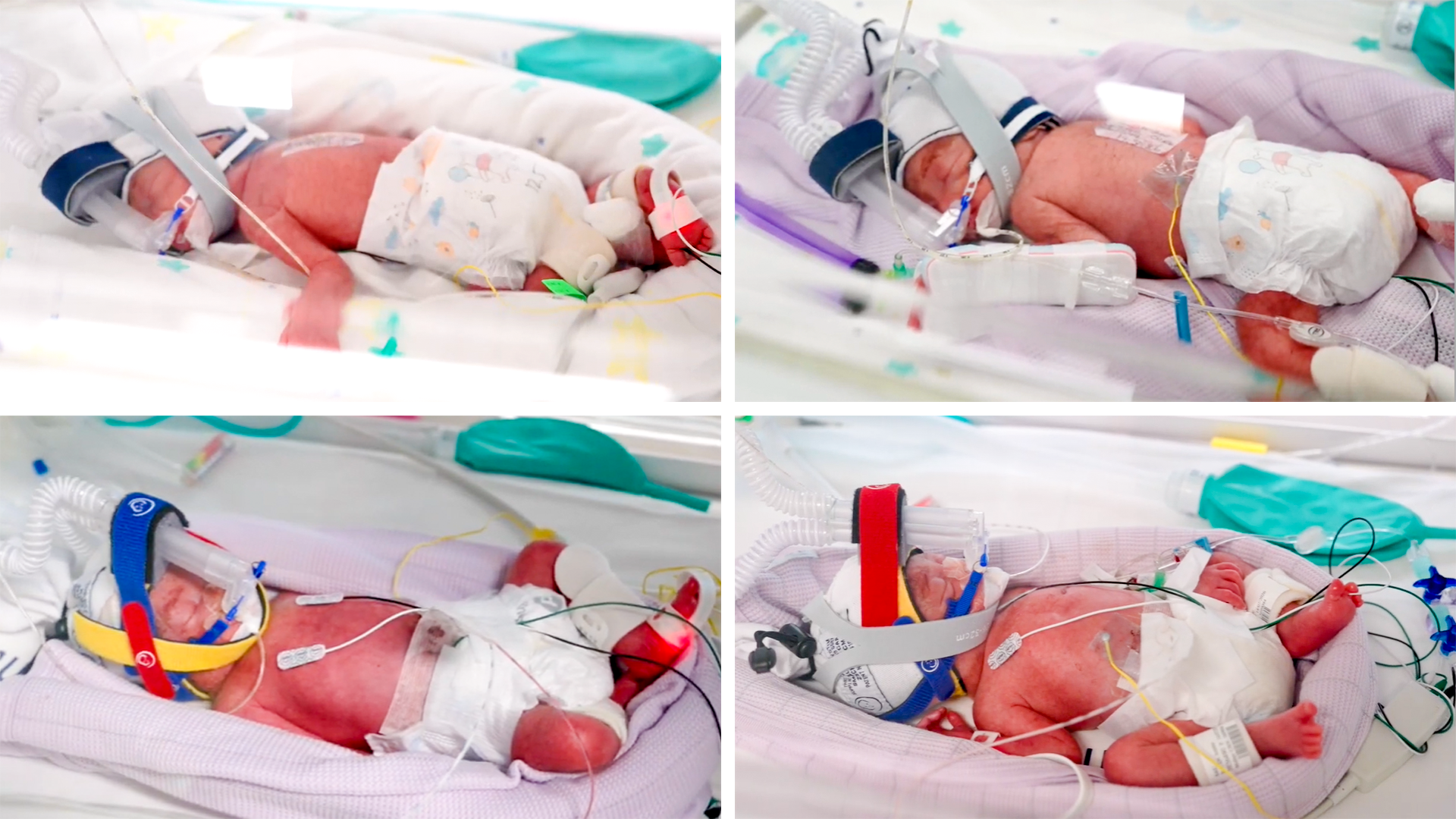
Table of Contents
Rare identical quadruplets born in Australia
Ninoda.com – In a groundbreaking medical milestone, rare identical quadruplets born in Australia have captured global attention. Jenitar Na’amoana, a 34-year-old mother from Brisbane, gave birth to four naturally conceived identical quadruplets on 14 July, a moment that has been hailed as extraordinary. The quadruplets, born via caesarean section at 28 weeks and four days, are classified as monozygotic quadruplets—meaning they originated from a single fertilized egg that split into four embryos. This rare identical quadruplets born in Australia case underscores the challenges and triumphs of such a miraculous event, particularly at the Royal Brisbane and Women’s Hospital.
The Medical Marvel of Identical Quadruplets
Identical quadruplets are a rare occurrence, even more uncommon than triplets. According to medical experts, the odds of a woman giving birth to identical quadruplets are approximately one in 15 million pregnancies. Dr. Alexa Bendall, the maternal fetal medicine specialist who monitored Jenitar’s high-risk pregnancy, emphasized the uniqueness of this rare identical quadruplets born in Australia case. “The fact that the quadruplets share the same placenta is unheard of,” she explained, highlighting the complexity of the birth. The hospital’s team described the delivery as an “extremely high risk” event, requiring meticulous planning and intervention to ensure the survival of all four infants.
Na’amoana’s pregnancy was closely tracked from the early stages, with the hospital admitting her as an inpatient at 25 weeks to monitor her health. The decision to proceed with a caesarean section was critical, as it allowed the medical team to manage the delivery of the quadruplets with greater precision. At 28 weeks, reaching this milestone was considered a major success, as it significantly improves the chances of the babies’ survival. Dr. Bendall expressed awe at the outcome, noting that the quadruplets were born healthy despite the rarity of the event.
“The journey to this point has been incredible, and the fact that Jenitar has somehow dodged every complication is a testament to her strength,” said Dr. Bendall. “It’s rare identical quadruplets born in Australia, but the outcome has been nothing short of remarkable.”
Following the birth, the quadruplets—Emily, Harriet, Catherine, and Alexa—were placed in the neonatal intensive care unit (NICU) for close monitoring. While they are now stable, their early development requires careful attention due to the premature nature of their arrival. Jenitar, who already has four children, described the experience as overwhelming but rewarding. “I’m so grateful for the safe arrival of my babies, though it’s been a whirlwind since the moment they were born,” she shared. The family is now preparing to welcome their new additions, with a fundraising campaign already in progress to help them manage the logistical demands of caring for four infants simultaneously.
Na’amoana’s other children range in age from one to 10 years, adding to the significance of this rare identical quadruplets born in Australia case. The hospital’s team has been praised for their resilience and dedication, as they navigated the complexities of the pregnancy and birth. This rare identical quadruplets born in Australia event has also sparked discussions about the broader implications of such multiple births, including the role of genetic factors, maternal health, and advancements in prenatal care. Doctors noted that the odds of naturally conceived quadruplets are estimated at around one in 700,000 births, making this case a rare and inspiring example of medical and biological wonder.
As the story of this rare identical quadruplets born in Australia continues to unfold, it has drawn comparisons to other extraordinary multiple births worldwide. For instance, an Ethiopian woman recently celebrated the arrival of quintuplets after a 12-year journey of hope and perseverance, while another mother with a double womb welcomed two babies within two days. These rare identical quadruplets born in Australia cases highlight the incredible diversity of human biology and the remarkable efforts of both mothers and medical professionals in overcoming seemingly insurmountable challenges.