The borough where families are slowly disappearing

London’s Vanishing Families: An Urban Crisis Unfolds
Ninoda.com – Across the capital, a demographic shift is reshaping communities. Between 2013 and 2023, London lost 99,100 children aged zero to nine, even as the city’s total population expanded by half a million. This decline has been particularly acute in inner London, prompting officials to label it an “existential challenge” for the future.
A Snapshot of Islington
On paper, Islington appears to be a haven for families. Its leafy side streets are filled with parents pushing prams, and its proximity to central London makes it highly desirable. Yet beneath this pleasant exterior lies one of the capital’s lowest fertility rates, with mothers here typically older than those in other boroughs.
Islington’s total fertility rate stands at 0.99 children per woman of childbearing age, ranking second-lowest only behind the City of London. For context, England and Wales saw this figure drop to just under 1.4 in 2025, a significant decline from 1.9 recorded in 2010.
Why Families Are Leaving
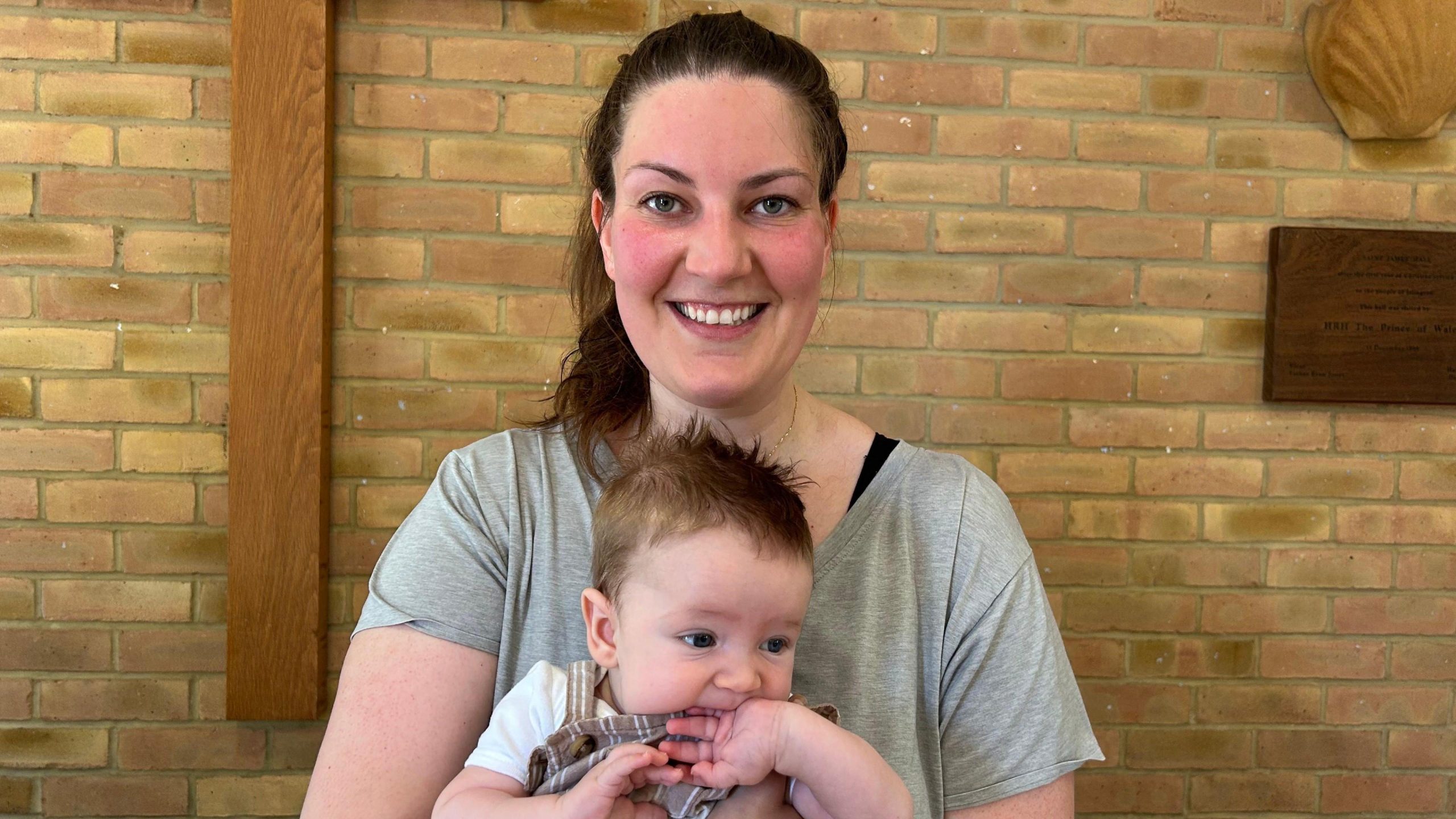
Tiphanie Frutuoso and her husband recently welcomed their first child but are preparing to return to Luxembourg. The decision stems largely from cost pressures. “My husband and I have a one-bedroom flat – a two-bedroom is super expensive,” she explained. “Childcare is £2,000-£3,000 a month.” In Luxembourg, childcare is provided free of charge.
“It’s really sad because we love London. We have better job opportunities here,” Frutuoso added.
Cost of living extends beyond childcare. High rents have become a major barrier, with renters in the area spending 46% of their income on housing during 2023-24. Additionally, BBC England’s data unit identified that Islington experienced a net loss of 1,062 women aged 30-34 in 2025 alone, one of the steepest drops nationally for this demographic.
Career Priorities and Later Parenthood
Many residents are delaying family formation to advance professionally. Tina Meschino, originally from Australia, relocated to London specifically for career advancement. She had her first child at age 41 after reaching an executive position.
“I’ve always been career-driven. I moved to London from Australia for career opportunities. It’s taken a while to get to where I want to be – an executive position – which felt like the right time to start a family,” Meschino said.
Samantha Nagaratnam, who moved from Toronto, also prioritized her career before starting a family. She gave birth to her daughter at 35, though conception proved challenging. “I was moving forward in my career and was really, really focused on that. But nobody tells you how hard it is [to fall pregnant]. It took about three years when we started trying,” she noted.
The Struggle to Stay
Not everyone is leaving. Some families are choosing to remain in Islington despite mounting difficulties. Patrick Penny-Annang, a father of two who has lived in the borough his entire life, now shares a one-bedroom flat with his wife and children.
“Our living room becomes our bedroom… our one bed becomes the kids’ room,” Penny-Annang described. “Islington is a lovely area to live in but because of that it’s really expensive. Schools have been closing, schools that I used to go to.”
Laura Edwards, co-founder of Zip-Zap baby music classes, observes that many families are relocating to other boroughs seeking better schools, more affordable housing, and additional space. She warned of long-term consequences: “It’s going to have huge implications in 40-50 years when there’s nobody to do the jobs and support the economy.”
Calling for Action
Bassam Mahfouz, chairman of the London Assembly’s Economy, Culture and Skills Committee, emphasized the urgency of the situation. His committee’s recent report recommends pursuing UNICEF Child Friendly City status, implementing child-friendly housing standards, and mapping play and recreation spaces throughout boroughs.
“We need to tackle this as an absolute emergency. What’s happening in Islington is happening right across London,” Mahfouz stated, cautioning that the trend threatens the city’s future workforce. He is urging both the government and the mayor to “redouble their efforts” to ensure “children are growing up in every postcode.”