I travel four hours on a bus per day – the bus fare cap will save me £500 a year

Ninoda.com – “`html
Commuter Relief: New Bus Fare Cap Promises Significant Savings
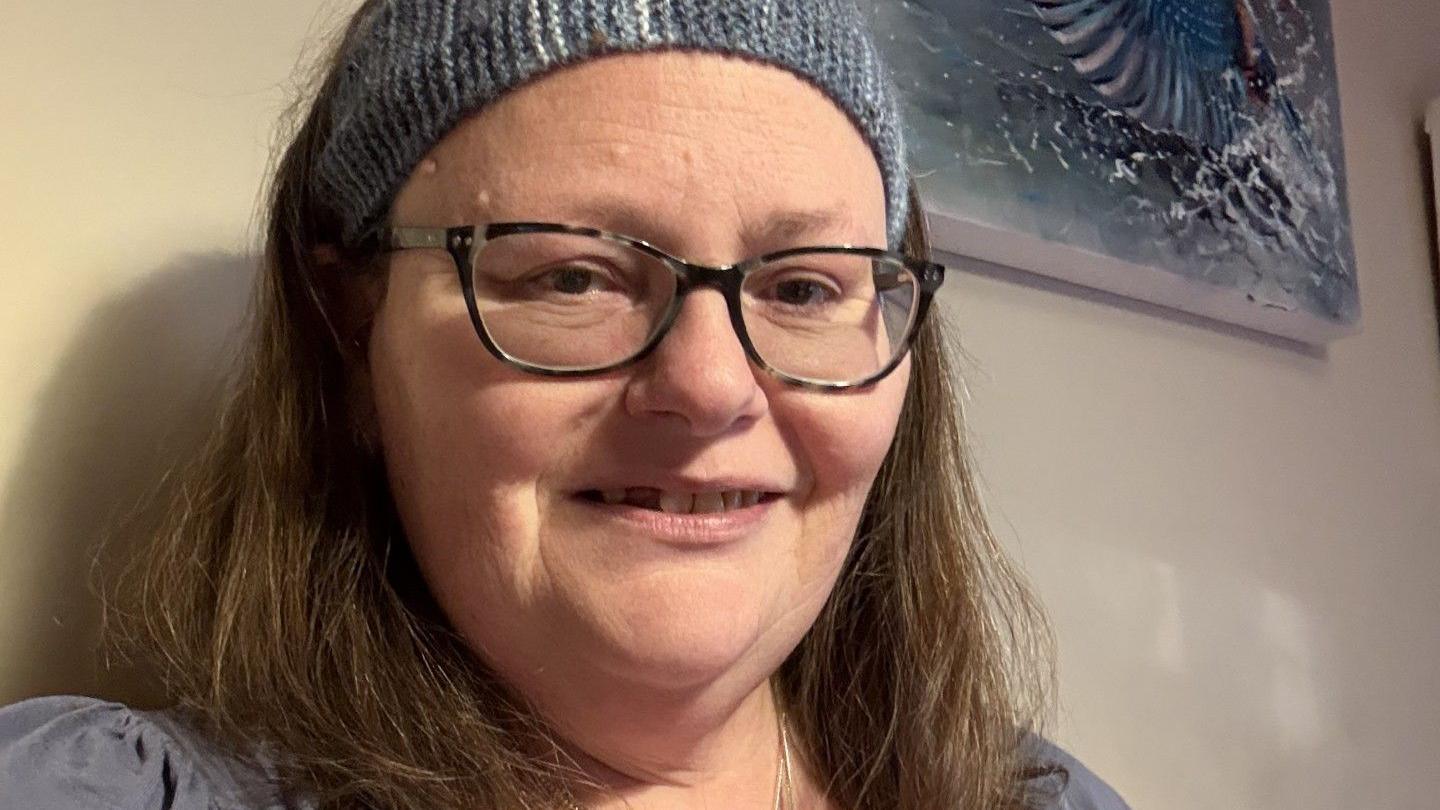
For Sarah Bodger, the financial burden of daily commuting has been overwhelming. The proprietor of a wool shop in Warwickshire makes a substantial trek from Bedworth to Leamington Spa six days each week, dedicating roughly four hours to her journey. Her route requires transferring between two separate buses during each leg of the trip.
Despite the lengthy travel time, Sarah remains committed to her business. “It makes me happy,” she explains about running her shop. However, the expense adds up considerably—approximately £58 weekly, which totals over £3,000 annually. That figure is set to decrease substantially when England implements a new maximum price for most single bus tickets beginning in January.
“It’s going to make a huge difference to me,” Sarah tells the BBC.
According to her calculations, the upcoming fare limit will reduce her annual transportation costs by £500. Prime Minister Andy Burnham unveiled the initiative with a promise that affordable transit connections should prevent anyone from being “priced out” or “left behind.”
Reactions Across the Country
Public response to the announcement has been mixed. Charlie, a twenty-four-year-old Bristol resident living on the city’s edge, believes the change will enhance his lifestyle. He anticipates visiting the city center more frequently during weekends once fares are reduced.
Conversely, Holly Haines from a rural Hereford location near the Welsh border sees limited personal benefit. Her bus service operates under a Welsh company, meaning she currently pays minimum £4.20 per ticket despite traveling entirely within England. The existing English cap sits at £3, but her route falls outside that system.
“Whilst I would love for other people to benefit from the £2 capped fare… I find it hard that I will not be able to benefit from it,” she said.
Diane Wordsworth, also residing in rural Doncaster, supports the concept but emphasizes that service quality must improve alongside pricing. She notes that even in densely populated areas, buses typically cease operations by 9pm, forcing passengers to either designate drivers or purchase taxis for evening returns.
“We need a proper bus service first, that isn’t run by several different companies. Then we might be able to take advantage of capped fares and use public transport more.”
Financial Implications and Funding
Seb Pelisse, thirty-three and living in Surrey, views the policy favorably for non-drivers but expects minimal personal financial impact. He drives locally and takes trains to London for employment. While praising the bus initiative, he suggests that addressing rail costs would benefit more commuters.
“Working in London I would expect the price of the train to go down because the commute is horrendously expensive nowadays,” he said.
The revised pricing structure becomes active on January 1, 2027, covering participating routes outside London. Officials project the program will exceed £500 million in total expenditure. Burnham indicated that government funds would be reprioritized to cover the expense, with £454 million redirected from the Department for Energy Security and Net Zero (DESN). This allocation supplements existing Department for Transport bus funding.
Shadow Chancellor Mel Stride expressed skepticism, noting the government failed to clearly identify the money’s origin. The previous England-wide cap of £3 was established in January 2025 under Keir Starmer’s Labour administration. Certain city regions like Liverpool and Manchester had already maintained £2 fares.
The Campaign for Better Transport acknowledged the positive step while highlighting ongoing challenges for rural communities. These areas continue experiencing reduced routes and services, having endured greater council budget reductions over the past decade compared to urban centers.
Additional reporting by Adam Clarkson.
“`