Lula wins fourth term in Brazil but faces hostile Congress and divided country

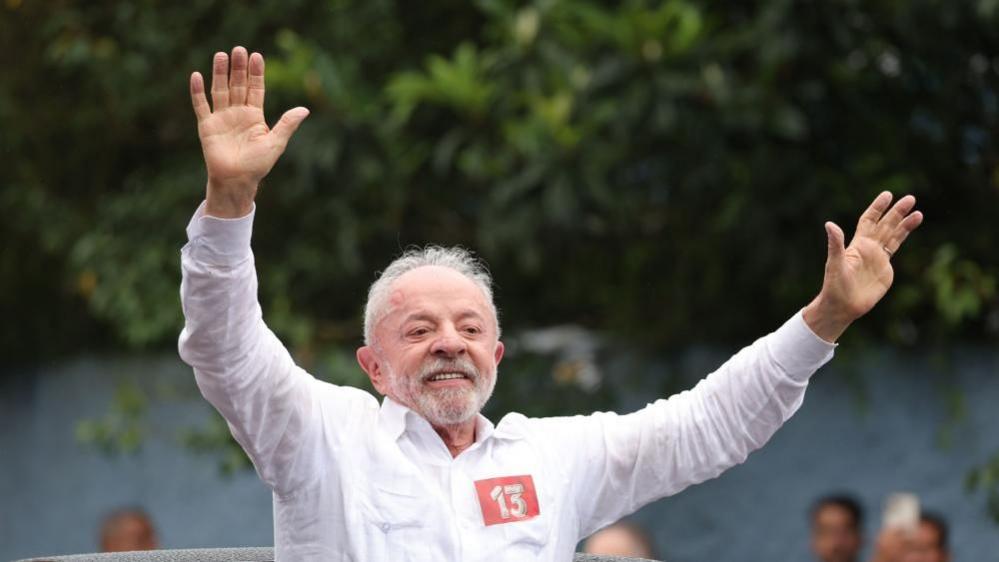
Table of Contents
Lula wins fourth term in Brazil amid a divided political landscape
Ninoda.com – Lula wins fourth term in Brazil after a close presidential run-off against Flávio Bolsonaro, marking another major chapter in the career of the veteran left-wing leader. The victory gives Luiz Inácio Lula da Silva a fresh mandate, but he will inherit a country sharply divided by the campaign and a Congress where conservative forces hold substantial influence.
Lula previously served as president from January 2003 to December 2010 before returning to office in January 2023. His latest electoral success places him among Brazil’s most prominent political figures, following a career that began as a metalworker and trade union leader and included his first presidential campaign in 1989.
His new term is due to start on 5 January 2027. By the end of it, Lula will be 85, increasing scrutiny of his ability to build the broad alliances needed to govern effectively.
A comeback after a difficult first round
Flávio Bolsonaro finished ahead of Lula in the first round on 4 October, raising doubts about whether the Workers’ Party candidate could recover during the three-week campaign before the decisive vote. Lula’s eventual victory followed a renewed push in public events and on social media.
The Workers’ Party organised large demonstrations ahead of the run-off, demonstrating that Lula retained strong grassroots support. His supporters see the result as both a personal political comeback and an endorsement of policies aimed at expanding opportunity, addressing public needs and reducing inequality.
“This country will never be the same again.”
Before the election, Lula described the contest as “a parting of the waters for Brazil” and argued that the country needed to move beyond bitter political divisions. He promised a different style of government, although many details of his agenda will need to be defined once he takes office.
A hostile Congress and a closely divided electorate
More than 48% of voters backed Bolsonaro, underlining the scale of the challenge facing the incoming president. The election result has not ended Brazil’s political tensions; instead, it has highlighted how closely divided the country remains over its future direction.
Lula will need to engage voters who did not support him while trying to prevent the polarisation of the campaign from deepening further. Rebuilding trust across political lines may be as significant as advancing his policy priorities.
Congress is likely to make that task harder. Brazil is set to have its most right-wing legislature of the democratic period, while Bolsonaro’s Liberal Party, or PL, made the largest gains in the election. Major proposals may face resistance, requiring Lula to negotiate beyond his own political base.
Amazon policy remains a global concern
Lula wins fourth term in Brazil at a moment of high environmental stakes. Environmental campaigners are likely to welcome his return, having feared that a Bolsonaro victory would strengthen the influence of agribusiness and mining interests in debates over the Amazon.
Brazil’s policies matter internationally because the Amazon rainforest is central to concerns about deforestation, fires and climate change. Critics of Jair Bolsonaro’s presidency pointed to record deforestation and forest-fire levels, while warning that weaker enforcement could place further pressure on the forest.
Even with Lula in office, environmental policy will remain difficult. Agricultural and extractive industries have considerable economic and political power, and stronger safeguards may be contested in a Congress with a substantial conservative presence.
Frequently asked questions
When does Lula’s new term begin?
His next presidential term is due to begin on 5 January 2027.
Why could Congress limit Lula’s plans?
Conservative parties hold significant influence, and Bolsonaro’s PL made major electoral gains. Lula may need to compromise or form wider alliances to pass legislation.
Why is the Amazon important in this election?
The Amazon is a vital global ecosystem. Decisions on enforcement, deforestation and development in Brazil can have major consequences for the rainforest and climate policy.
As Lula wins fourth term in Brazil, the central question is no longer whether he can return to power, but whether he can govern a deeply polarised nation while securing support in a challenging Congress.