Pubs cheer business rates relief while other firms ‘left out in the cold’

Industry Leaders Welcome Business Rates Reduction
Ninoda.com – Andy Burnham’s move to reduce business rates for pubs, social clubs, and live music venues across England has been met with approval from sector leaders. This marks his third major policy declaration within a three-day period. According to UK Hospitality, the announcement demonstrates that his enthusiasm for the hospitality sector “survived his trip down the M1”. Financial analysts estimate that the 20% reduction, layered on top of emergency relief introduced in January, will benefit the typical pub by over £1,000 annually. However, various High Street enterprises have expressed concern about being excluded from the assistance and are demanding broader coverage.
Keith Bott: A Fairer Tax System Needed
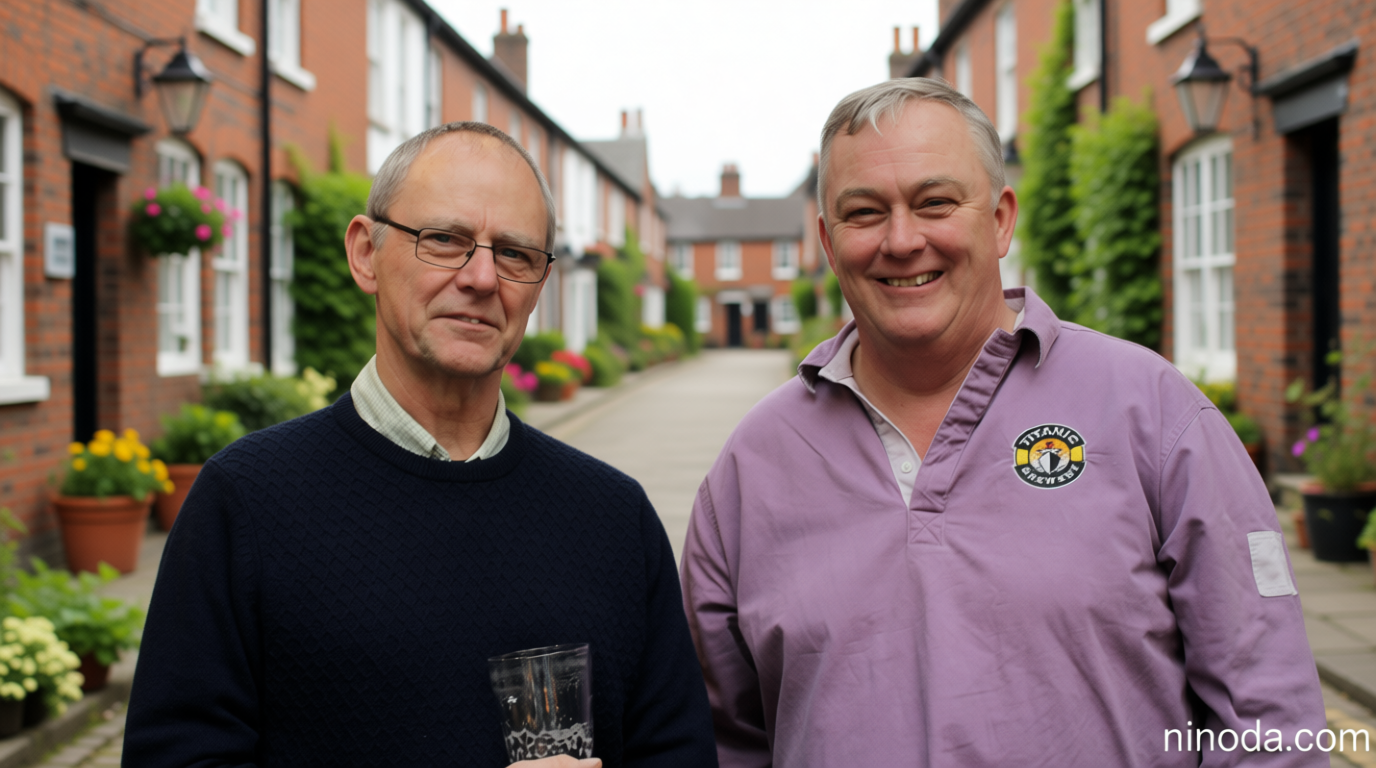
Keith Bott, proprietor of the Titanic Brewery alongside nine Midlands establishments, welcomed the initiative. He stated that officials are “finally recognising the plight of the hospitality industry and trying to help”. Bott highlighted that pubs have struggled with multiple pressures including employer National Insurance hikes, minimum wage growth, elevated inflation, and increasing living expenses.
“What I really liked in this announcement is they are recognising we need to look at a fairer tax system so we can all contribute to society,” Bott told the BBC.
He noted that the sector faces heavy taxation, with approximately 35-40% of revenue flowing to the Treasury. Bott also pointed out that online retailers operating from warehouses contribute a “ridiculously low” amount in business rates compared to traditional establishments. Additionally, he called for reduced duty on draft beer to support venues selling drinks on-site.
Gyms and Cafes Feel Excluded
Ruth Dawson, who operates HD3 Fitness Centre in Huddersfield, feels her business has been overlooked. She explained that her gym performs work aligned with government priorities but has been “left out in the cold”. Dawson described the business rates charge as “damaging” and identified it as “one of the biggest threats to our ability to keep operating”.
“If a pub can get support because it is the ‘heart of the community’, then so should we,” she added.
Dawson argued that community gyms maintaining elderly residents’ mobility and social connections are equally essential to High Streets as pubs and clubs. She urged policymakers to reconsider the framework and include community leisure centres and fitness facilities. Nick Smith, who manages the Ludoquist board game cafe and bar in Croydon, London, compared the situation to “the trauma of Covid days”. He noted the confusion surrounding government announcements, requiring extensive research to understand their implications.
“Where the government makes an announcement and you have to spend days trawling websites to try to find out what they mean,” he told the BBC.
Although Ludoquist holds a licence, Smith believes it fails to qualify under the official “pub” classification, leaving him uncertain about receiving benefits. He remarked that while he might technically be a pub, most people would describe him as a cafe, bar, or restaurant. Smith questioned why cafes and restaurants were excluded from assistance.
VAT Reduction Seen as Priority
Sam Lamiroy, owner of 45 Queen Street in Penzance, viewed the announcement positively but concurred with Smith that VAT remains the core issue. He estimated that typical pubs or restaurants generate between £500,000 and £1m in turnover, meaning a £1,000 reduction represents a modest improvement.
“The 20% drop in business rates is really just lip service, it won’t affect whether we survive or not, the real lever to pull is help with VAT, dropping the rate from 20% to 10% as it is in the rest of Europe,” he told the BBC.
Lamiroy also expressed concern that his establishment might not be classified as a pub under the current terms. He emphasized the importance of hospitality as an entry point for young workers, noting that “these are the first jobs for a lot of young people, it is a springboard into work”.