From Wimbledon towels to Scotch: What India-UK trade deal could mean for shoppers

From Wimbledon Towels to Scotch: India-UK Trade Deal’s Impact on Shoppers
Ninoda.com – The India-UK Free Trade Agreement (FTA), which took effect on Wednesday, is poised to reshape trade dynamics between the two nations. With India and the UK now among the world’s top trading partners, the pact aims to streamline commerce across sectors, offering significant benefits for both economies. While the agreement’s full implications remain to be seen, early signs suggest shifts in how goods move between the countries.
Textile Sector Sees Strategic Moves
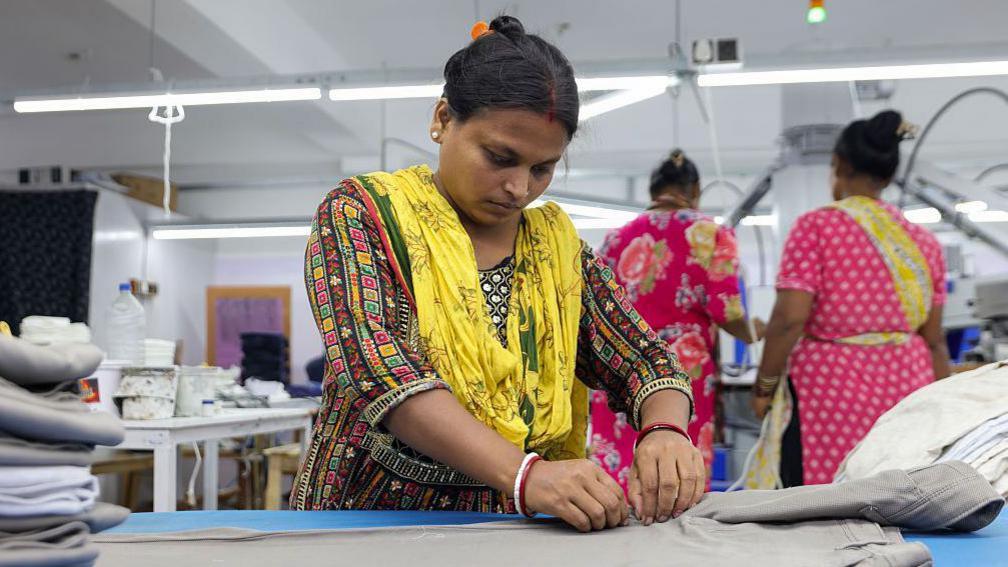
At Welspun Living, India’s leading home textile manufacturer, preparations are intensifying to fully leverage the benefits of the FTA. The company, known for supplying championship towels to Wimbledon, has long been a key player in the UK market. CEO Dipali Goenka shared that major retailers such as John Lewis and Tesco are now engaging in long-term planning with Indian suppliers, a change from previous practices focused primarily on the US.
“Many of these brands have been in India in recent weeks to chart a business roadmap for the next few years. We typically did joint forward planning only for our US customers, but now, with the deal, it’s happening with UK clients too,” Goenka explained.
The FTA eliminates or reduces tariffs on 99% of Indian exports to the UK and 90% of UK imports into India. This is a major step for the UK, which has termed it “the largest and most economically significant bilateral trade pact” since its departure from the EU. Analysts estimate the deal could boost the UK’s GDP by 0.13%—equivalent to £4.8bn annually—and India’s by 0.06%, or £5.1bn per year, over time.
Alcohol Industry Benefits from Tariff Reductions
The FTA also marks a turning point for British alcohol and spirits companies, particularly in the whisky sector. The immediate cut in customs duties on Scotch whisky from 150% to 75%, with further reductions to 40% over a decade, is seen as a transformative change by industry experts.
“The focus has been on getting the operational side ready. That means working closely with UK suppliers to ensure certificates of origin and other trade documentation are in place,” said Avneet Singh of Modern Drinks Pvt Ltd, an import firm based in Delhi.
Singh noted that while the new terms are expected to spur growth, the full effects of reduced tariffs will only become clear in the coming months. “Momentum is building, but we’re still in the phase of careful preparation rather than rapid expansion,” he added.
Economic Implications and Challenges
India’s exports to the UK reached $13.4bn in the 2025-2026 financial year, yet over half of these goods entered the market duty-free under the Most Favored Nation (MFN) regime. On the import side, India brought in $11.7bn from the UK, with silver making up 45% of the value. However, this product remains excluded from the agreement, highlighting areas where the FTA does not yet apply.
According to Ajay Srivastava of the Delhi-based Global Trade Research Initiative (GTRI), the true test of the FTA’s success lies in whether products previously burdened by 4-16% UK tariffs—such as textiles, footwear, and seafood—see increased demand and stronger margins. “Those indicators will provide the clearest evidence of the agreement’s impact,” he stated.
Despite the potential, some challenges persist. Srivastava pointed out that the UK’s ongoing steel tariffs, which protect domestic producers, could limit the deal’s effectiveness. Additionally, the proposed Carbon Border Adjustment Mechanism (CBAM) might offset some of the FTA’s gains by adding costs to imported goods.
Looking Ahead
While the FTA is a milestone, its long-term success hinges on how industries adapt to the new trade environment. For sectors like textiles and spirits, the removal of tariffs offers immediate advantages, but broader economic effects may take 1-3 years to materialize. As businesses adjust to the revised terms, the full scope of the deal’s impact will gradually unfold.