Strait of Hormuz ‘faultline’ exposes weakness of the US-Iran deal

Strait of Hormuz Faultline Exposes Weakness in the US-Iran Deal
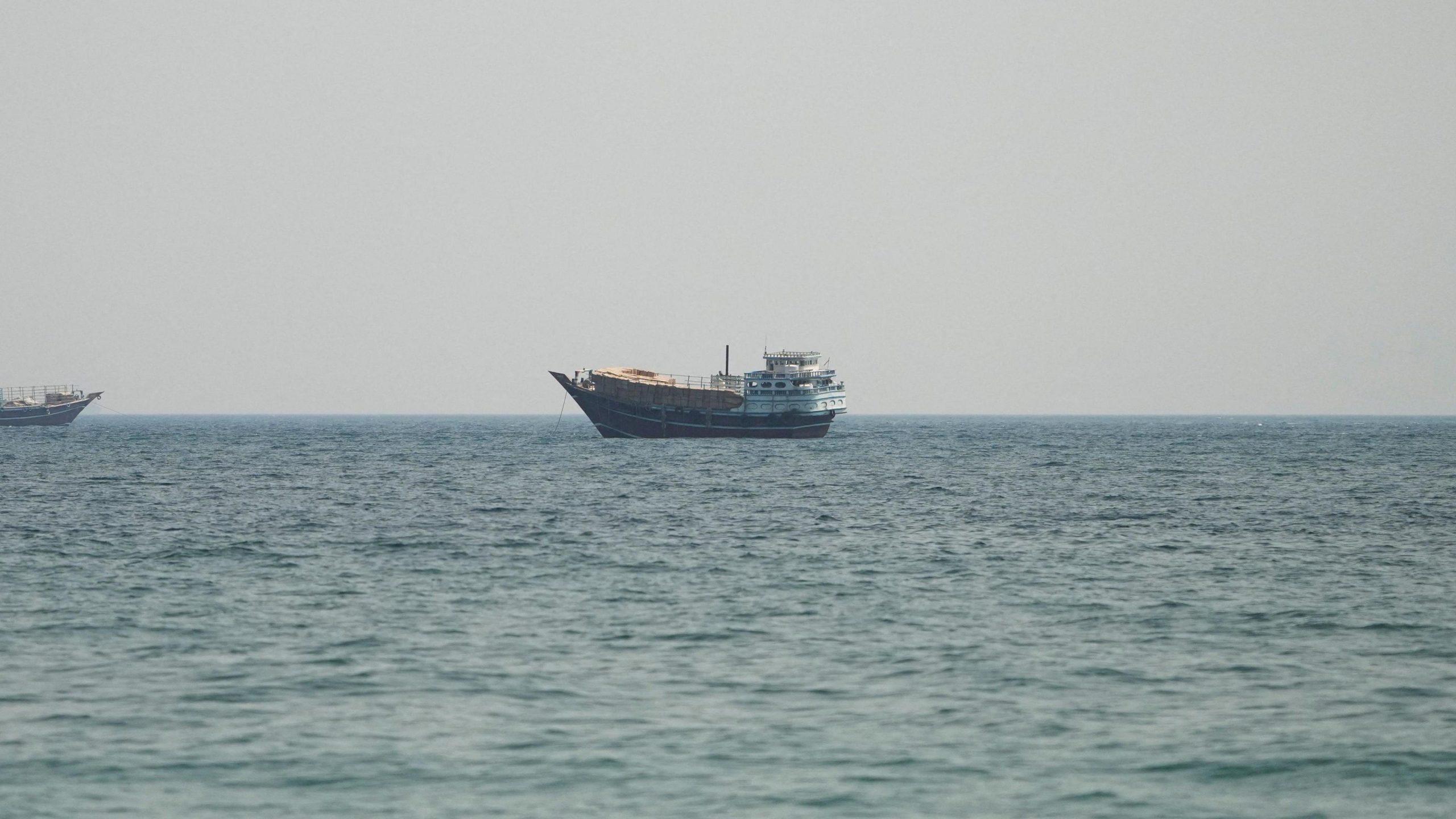
Ninoda.com – The Strait of Hormuz faultline exposes the fragility of the U.S.-Iran agreement, as recent disputes over control of the vital waterway have intensified tensions between the two nations. This narrow passage, which connects the Persian Gulf to the Arabian Sea, is critical for global energy trade, with approximately 20% of the world’s oil supplies passing through it daily. The disagreement over the terms of the deal has brought the two powers to a standoff, raising questions about the sustainability of their truce. While Arab and Pakistani mediators continue to mediate, the core issue of Hormuz’s strategic control remains unresolved, casting doubt on the agreement’s long-term viability.
Contested Clauses and Geopolitical Rivalry
At the heart of the dispute lies a clause in the 14-point memorandum of understanding, which has been interpreted differently by the U.S. and Iran. The Islamic Republic views this provision as a mandate to assert dominance over the strait, while the United States sees it as a requirement to guarantee free passage for international shipping. This divergence highlights the deeper geopolitical rivalry between the two nations, with each side prioritizing its national interests over shared objectives. The unresolved tension underscores how the Strait of Hormuz faultline exposes the deal’s susceptibility to external pressures and internal disagreements.
“The faultline in the agreement is the Strait of Hormuz,” stated a senior U.S. diplomat, emphasizing how the waterway has become a focal point of mistrust. This sentiment reflects a broader concern that the deal may not withstand the test of time if key strategic assets remain contested. As both sides vie for influence, the implications of the dispute extend beyond their bilateral relationship, affecting regional stability and global energy markets.
Iran’s Legislative Strategy and Regional Concerns
Iran’s new legislative move, titled *Strategic Action for the Security and Sustainable Progress of the Strait of Hormuz and the Persian Gulf*, aims to solidify its claim over the waterway. The bill, introduced by the National Security Commission, asserts that Iran has the “inalienable right” to regulate shipping in the strait, a stance that has alarmed neighboring Gulf states. Oman, a key regional player, has expressed apprehension over Iran’s proposal to define the future administration of the waterway through dialogue. The Strait of Hormuz faultline exposes how unilateral decisions by Iran can challenge the collaborative framework of the U.S.-Iran deal, prompting fears of a broader conflict.
Recent attacks on commercial vessels, including a Qatari-flagged LNG tanker near Oman’s coast, have been attributed to a “rogue unit” within the Islamic Revolutionary Guard Corps (IRGC). These incidents, while localized, signal Iran’s readiness to enforce its control over the strait, even if it means escalating hostilities. The United Arab Emirates has warned that Iran’s plan to impose “service fees” on shipping through the strait could destabilize the region, further straining its relationship with Tehran. As the conflict in the Gulf continues, the fate of the U.S.-Iran deal hinges on whether the Strait of Hormuz faultline can be bridged—or whether it will deepen the chasm between the two powers.
The Broader Implications of Hormuz Control
Control of the Strait of Hormuz faultline exposes not only the vulnerability of the U.S.-Iran deal but also the strategic importance of the region. The waterway’s dominance is crucial for maintaining energy flows to global markets, and any disruption could have far-reaching economic consequences. Analysts warn that the unresolved dispute may lead to a breakdown in diplomatic channels, with the risk of renewed military confrontations. This scenario would test the resilience of the deal, which was initially designed to ease tensions and prevent war in the region.
As the conflict in the Gulf intensifies, the United States and Iran find themselves at a crossroads. The original agreement, negotiated with the aim of stabilizing the Middle East, now faces scrutiny over its ability to address fundamental concerns about sovereignty and security. The Strait of Hormuz faultline exposes how easily the deal can be undermined by geopolitical tensions, particularly when one party perceives the other as encroaching on its strategic interests. With the deal’s future uncertain, the question remains: can the two nations reconcile their differences, or will the strait become a symbol of their enduring rivalry?
Meanwhile, the international community watches closely as the situation unfolds. European allies, who supported the deal, have called for a renewed effort to resolve the dispute through dialogue. However, the absence of clear consensus on Hormuz’s management has left the agreement hanging in the balance. The Strait of Hormuz faultline exposes the extent to which the U.S.-Iran deal is dependent on mutual trust, which has been eroded by recent actions and conflicting interpretations. As the standoff continues, the waterway may serve as both a battleground and a barometer of the deal’s strength.