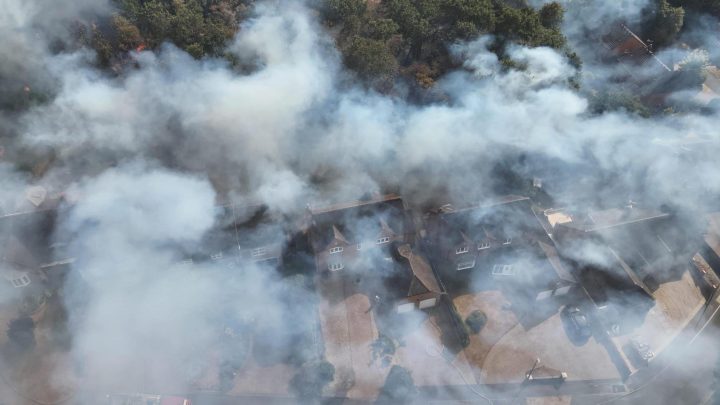
More than half of England officially in drought, Environment Agency says

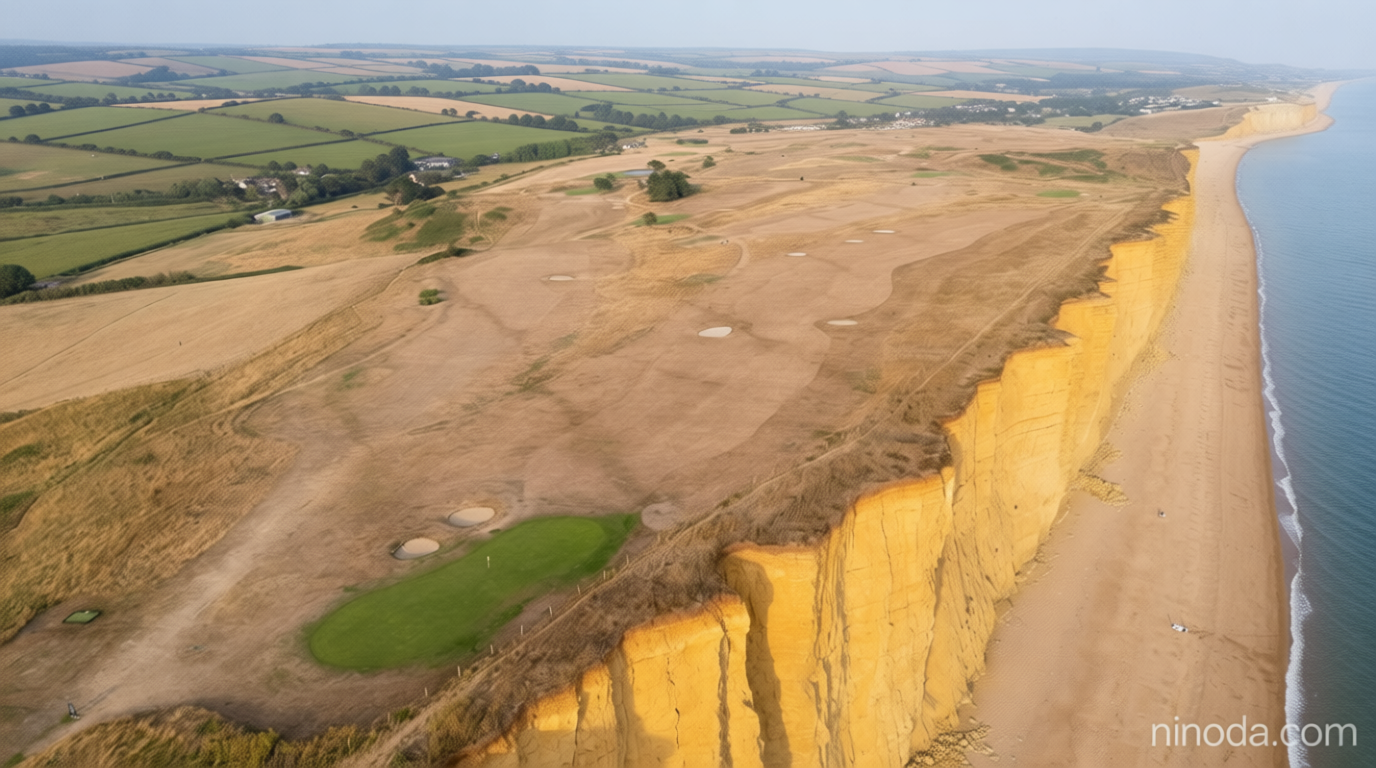
England’s Water Crisis Deepens as Drought Spreads Across Majority of Nation
Ninoda.com – Official drought status now covers over fifty percent of England following extended periods of intense heat and minimal precipitation. The Environment Agency confirmed that seven distinct regions have entered formal drought conditions, affecting substantial portions of central, eastern, and southern territories. Residents are already experiencing consequences including diminished river levels, premature crop harvesting, and heightened wildfire potential.
Over twenty million individuals currently face hosepipe restrictions as water conservation measures intensify. Meanwhile, Natural Resources Wales reported that North Wales alongside the Upper Severn river basin joined drought conditions during the previous week. Scotland operates differently, tracking “water scarcity” rather than declaring droughts. The Scottish Environment Protection Agency identified eastern Scottish regions as experiencing the highest tier of “significant scarcity.”
Regional Breakdown and Official Definitions
The complete roster of English areas under drought designation includes East Anglia, Hertfordshire with all of London, the Thames Valley, Hampshire combined with the Isle of Wight, Devon and Cornwall, the West Midlands, and Wessex—which encompasses Dorset, Somerset, Wiltshire, and South Gloucestershire.
While drought lacks one universal definition, it typically describes extended periods of unusually dry weather affecting communities, ecosystems, and natural environments. The Environment Agency evaluates multiple variables before issuing declarations. Such announcements signal heightened agency response through enhanced monitoring and restrictions on water extraction from rivers and underground sources. Hosepipe bans may be implemented if not already active.
“The hot and dry weather means we are currently using water faster than nature can replenish it,” said Helen Wakeham, director of water at the Environment Agency and chair of the National Drought Group.
Climate Whiplash and Flash Drought Conditions
This year presents unusual patterns. January and February delivered abundant rainfall across much of the United Kingdom, allowing reservoirs and groundwater to recover. However, late spring and summer brought exceptional heat with scarce precipitation. Experts term this rapid transition between wet and dry phases “climate whiplash.”
July proved particularly severe, recording only seven percent of England’s typical rainfall average. Southern England fared even worse at just one percent. Certain Devon and Hampshire locations experienced over thirty consecutive days without any measurable precipitation.
“The warm and exceptionally dry conditions experienced across much of England over recent months are continuing to have a significant impact,” said Will Lang, chief meteorologist at the Met Office.
The Environment Agency has classified this phenomenon as a “flash drought”—a condition emerging suddenly rather than developing gradually over extended periods. Low precipitation combined with sustained high temperatures accelerates moisture evaporation from soils, plant life, and waterways.
Longer-Term Trends and Agricultural Impact
Today’s declaration marks the third drought within five years, following events in 2022 and 2025. Scientists emphasize that while droughts occur naturally, climate change elevates associated risks. Rising summer temperatures accelerate soil drying, potentially creating more intense and prolonged dry spells with visible consequences for agriculture and wildlife.
“Farmers and growers have always had to contend with the weather, but what they are experiencing now is climate change in action. More extreme conditions [are] making it harder, riskier and more costly to produce the nation’s food,” said Paul Tompkins, deputy president of the National Farmers’ Union of England and Wales.
Tompkins further noted that drought represents a concern for all citizens due to its implications for national food security.
Current Weather Outlook and Wildfire Concerns
Several regions have now endured their fourth heatwave of the year. Amber and yellow heat health warnings remain active across portions of the United Kingdom. Wednesday could see temperatures reaching thirty-five degrees Celsius in parts of south-east England.
The Met Office indicated that while early August might bring some precipitation to certain areas, no sustained rainfall patterns appear imminent that would substantially alter current dry conditions.
Hot, arid weather has established optimal circumstances for wildfires to propagate. The National Fire Chiefs Council cautioned that wildfire danger “remains elevated across the UK.” Authorities have documented more than two hundred wildfire incidents throughout England so far this season.