
Trump administration bans new Chinese humanoid robots

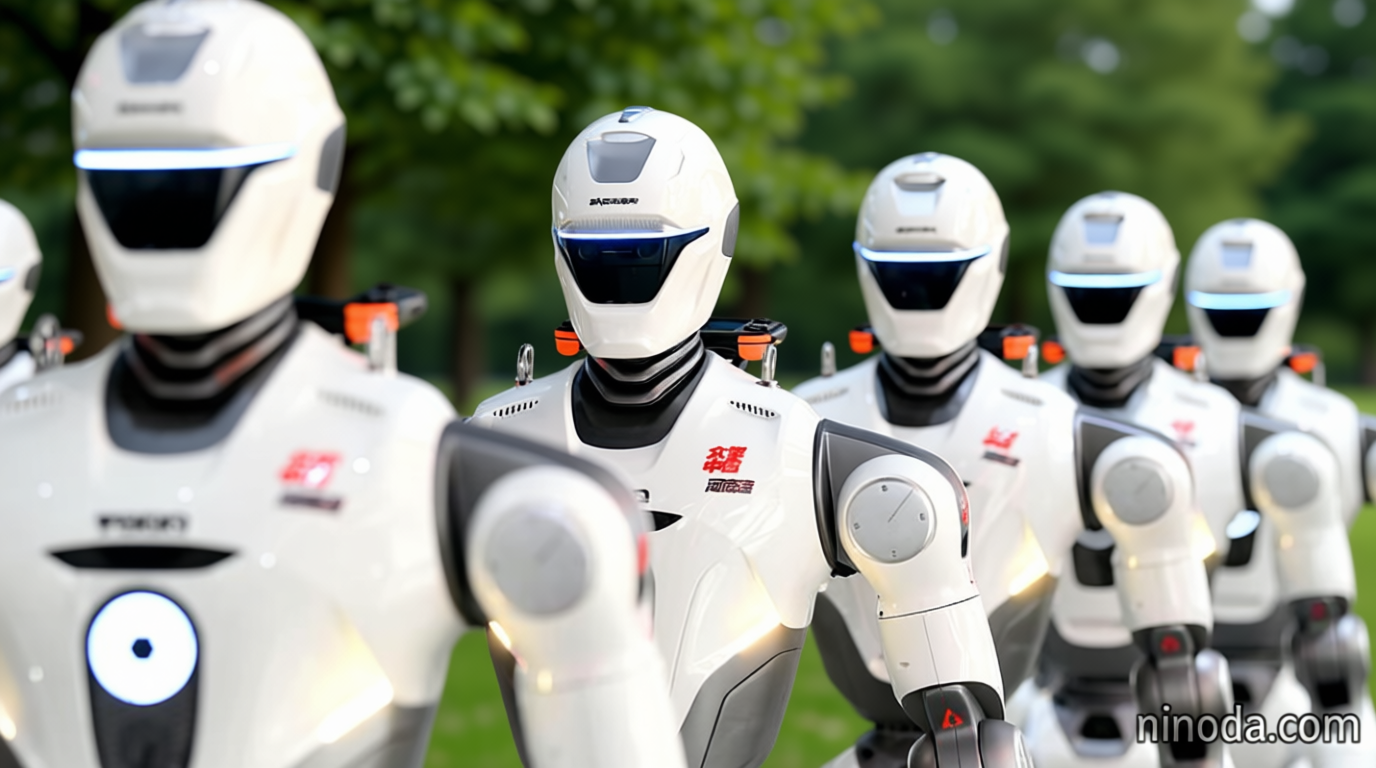
Washington Blocks Import of Advanced Foreign Robots Over Security Concerns
Ninoda.com – The Trump administration bans new Chinese humanoid robots and other advanced technologies as part of a broader effort to protect American national security interests. This comprehensive regulatory action restricts the entry of newly manufactured humanoid robots into American territory, citing what officials describe as “unacceptable risks” to the nation’s critical infrastructure. The policy encompasses sophisticated machines, including both bipedal humanoids and quadrupedal units that have become increasingly common in industrial and commercial settings. A significant portion of these devices originate from China, which continues to compete vigorously with the United States in advancing robotics and artificial intelligence technologies.
Alongside the robotic restrictions, the Federal Communications Commission introduced prohibitions on power inverters—components essential for solar installations and data center operations. The agency determined these electronic devices might similarly threaten American economic stability and security. This dual approach demonstrates how the Trump administration bans new Chinese products across multiple technology sectors simultaneously.
Regulatory Framework and Security Rationale
FCC chairman Brendan Carr emphasized that the commission is fulfilling its responsibility “to secure America’s critical supply chains.” Under this new policy, the affected products have been incorporated into the Covered List, which catalogs items considered hazardous to national security interests. The decision reflects growing concerns about technological dependence on foreign manufacturers, particularly those from nations with strategic competition with the United States.
Importantly, this prohibition targets only newly manufactured foreign robotic equipment and inverters. It does not interfere with the commercial availability or importation of models already approved by the FCC prior to this announcement. This distinction ensures that businesses can continue operating with existing equipment while preventing new vulnerabilities from entering the market.
The FCC cited concerns that the use of foreign-made inverters could allow overseas firms to turn them off, steal data, facilitate remote access and surveillance by “foreign government actors, or be otherwise exploited through a cyberattack.”
It added that the use of robots made outside the US could allow “malign actors to surveil Americans, enhance the capabilities of foreign intelligence services, or to remotely commandeer the robots.”
Beijing’s Response and Broader Trade Context
The Chinese embassy in Washington expressed longstanding opposition to what it characterizes as the “politicising” of commercial matters and the imposition of sanctions on “groundless pretexts.” Representatives indicated that Beijing would “take all necessary measures” should American actions damage Chinese interests, while simultaneously encouraging global collaboration in AI advancement “for the positive and for good.” This diplomatic response highlights the complex relationship between economic cooperation and security concerns.
Beijing further urged Washington to “abandon its hegemonic mindset, and stop smearing Chinese companies and threatening them with sanctions.” These developments occur against a backdrop of intensified American scrutiny of Chinese exports as the Trump administration bans new Chinese technologies while seeking to correct trade imbalances with the world’s second-largest economy. Despite leading global electric vehicle exports, Chinese manufacturers face effective exclusion from the US market due to substantial tariffs. Additionally, Washington has restricted sales of advanced semiconductors to China, aiming to safeguard security, decelerate military modernization, and preserve American leadership in artificial intelligence.
Market Competition and Future Implications
US Treasury Secretary Scott Bessent recently cautioned that Chinese artificial intelligence enterprises might encounter sanctions following accusations of American intellectual property theft. In response, the Chinese government characterized its AI progress “the result of its own dedication and effort as well as international cooperation.” The United States hopes to prevent another supply chain disruption similar to last year’s situation when China restricted rare earth element exports—materials vital for electronic manufacturing.
Chinese technology companies have accelerated humanoid robot development for applications spanning industrial facilities and residential environments. Several firms have been swift to introduce their machines to commercial and consumer markets, positioning themselves ahead of American competitors such as Boston Dynamics and Elon Musk’s Tesla. The regulatory changes may reshape competitive dynamics in this rapidly evolving sector.
The BBC has reached out to leading Chinese robotics manufacturers Unitree, UBTech, and AgiBot for their perspectives on these developments. Industry observers expect the Trump administration bans new Chinese products to influence investment patterns and technological development strategies across both nations.
Podcast: China’s humanoid robot boom