
Why limited war with the US may suit Iran better than peace

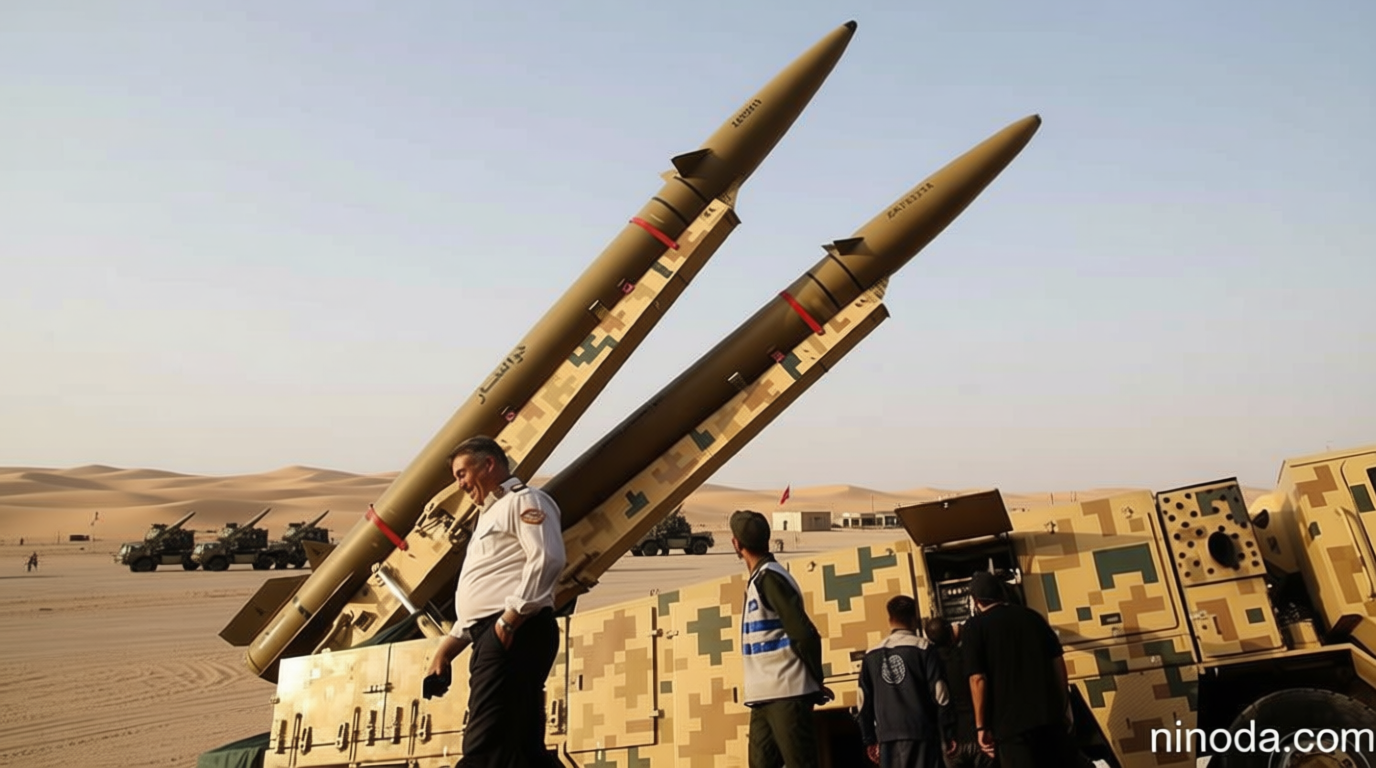
Iran’s Calculated Gamble: Why a Controlled Conflict May Outweigh Peace
Ninoda.com – Recent days have witnessed renewed hostilities between Iran and the United States, marking a significant shift in regional dynamics. Initially, Tehran’s unexpected missile assault on an American installation in Jordan seemed puzzling. This action effectively terminated the tenuous truce in direct military exchanges between the two nations and triggered Washington to restart operations within Iranian territory.
Rethinking Tehran’s Strategic Objectives
Such a move appeared contradictory if securing a ceasefire represented Iran’s foremost goal. However, when Iranian decision-makers assess that a measured confrontation could yield enhanced strategic advantages, the rationale becomes clearer. One compelling interpretation suggests that despite inherent dangers, a restricted war might advance Tehran’s interests more effectively than the alternative.
Currently, neither party demonstrates readiness for comprehensive warfare. Washington has exhibited minimal enthusiasm for expanding the conflict across the region, which could imperil critical energy facilities, involve additional nations, elevate petroleum costs, and further strain American military capabilities.
Economic and Military Vulnerabilities Shape Iran’s Calculus
Iran likely seeks to prevent total war for several reasons. Its diminished air defense systems, exposed industrial facilities, and economy hampered by sanctions render recovery from damage increasingly costly and challenging. Consequently, Tehran may have determined that this situation permits a strategy centered on persistent pressure rather than decisive military triumph.
Under present circumstances, an extended ceasefire might actually weaken Iran’s position. The American maritime blockade of Iranian harbors would persist, sanctions would remain in force, and Tehran would continue facing substantial exclusion from global energy commerce. Meanwhile, nations such as Saudi Arabia, the United Arab Emirates, Qatar, and other regional hydrocarbon exporters could gradually restore normal trade operations while Iran remained economically isolated.
Levers of Influence Through Disruption
A limited conflict could alter this dynamic considerably. While Iran bears substantial military and economic burdens, ongoing disruptions in the Strait of Hormuz and, through Houthi forces, pressure around Bab al-Mandab continue influencing worldwide shipping, insurance premiums, and energy markets. Even constrained uncertainty compels governments, vessel operators, and purchasers to monitor Iran’s requirements closely.
In essence, Tehran may consider itself to retain meaningful leverage. Furthermore, Iran appears determined to modify the diplomatic framework. Instead of accepting unrestricted maritime passage, it has consistently indicated that navigation should follow guidelines established or overseen by Iran. If this reading proves accurate, Tehran’s aim may involve ensuring any future reopening of the Strait of Hormuz demonstrates Iranian influence rather than reverting to pre-conflict conditions.
Domestic Considerations and Strategic Risks
An ongoing, limited confrontation would enable Iran to maintain pressure toward achieving this objective. From Tehran’s viewpoint, sustaining the crisis below the threshold of complete war may therefore prove more advantageous than accepting a ceasefire that leaves sanctions, the blockade, and economic isolation largely unaltered.
Domestic factors may also influence this calculation. Iran continues confronting elevated inflation, joblessness, economic difficulties, and citizen discontent. During periods of external conflict, administrations frequently discover it easier to quell internal opposition, validate stricter security protocols, and unite support behind national defense. This does not eliminate Iran’s economic challenges, but it may lessen the immediate political strain they generate.
None of this indicates the strategy lacks considerable costs. Iran continues absorbing repeated military attacks, economic unpredictability, and there remains no assurance that the current equilibrium can endure. This represents the central paradox confronting Tehran. A managed conflict might presently provide greater leverage than an imperfect peace, yet managed conflicts possess a tendency to spiral beyond control.
Iran may believe it can carefully calibrate escalation to maintain pressure on the United States, global energy markets, and regional diplomacy while avoiding comprehensive war. However, this assessment also entails substantial risks. Beyond the possibility of a much broader war, a prolonged conflict without a visible conclusion could gradually build international backing for a more forceful response. There are already indications that the confrontation is expanding, with Saudi Arabia, which had initially sought to avoid