
British Airways flight called mayday on approach to Heathrow

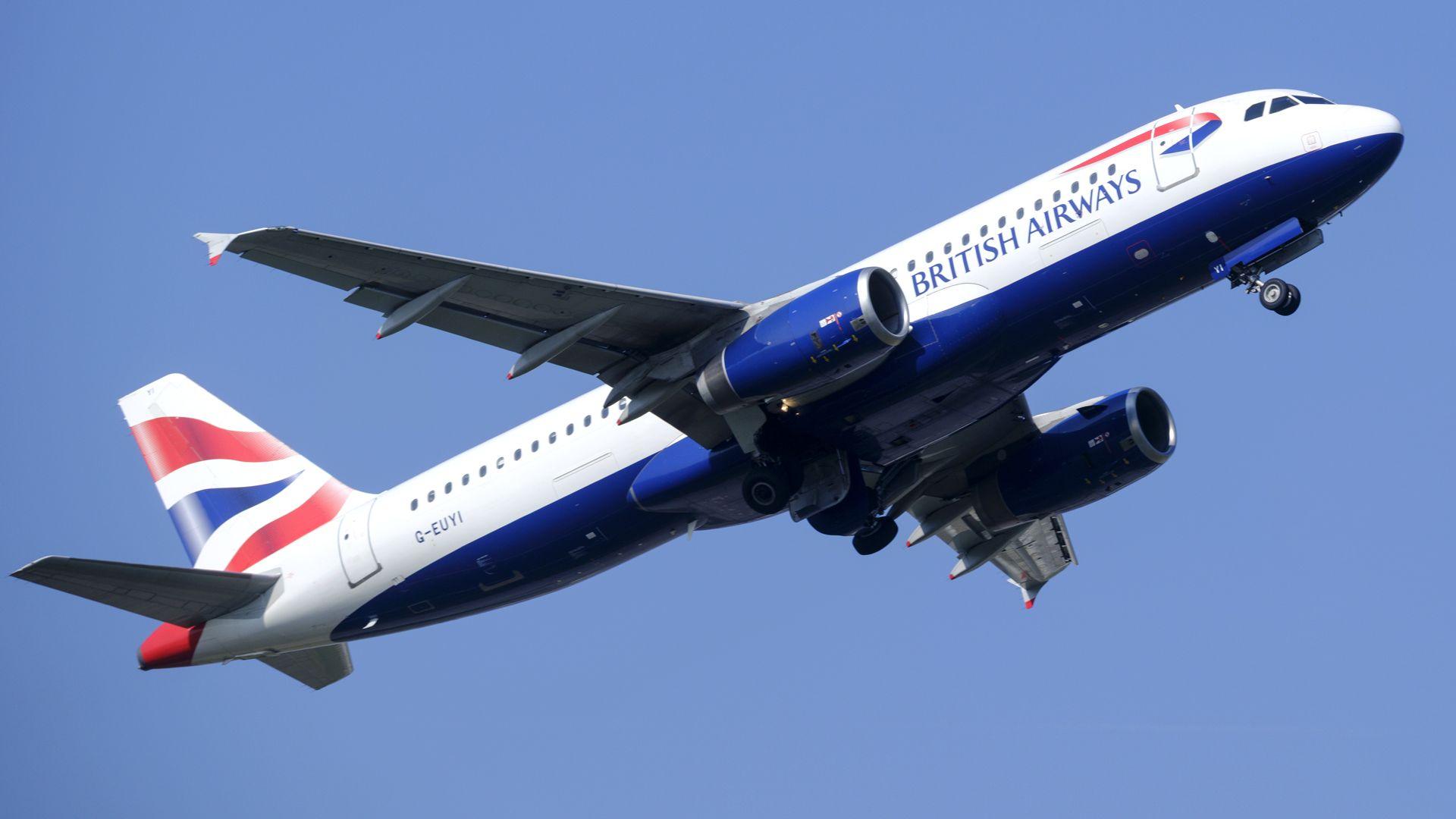
Mayday Declared as British Airways Aircraft Encounters Technical Issues Near Heathrow
Ninoda.com – A British Airways passenger plane transmitted a critical mayday signal while descending toward London’s Heathrow Airport in early July, according to official reports. The Airbus A320, which had departed from Dusseldorf in Germany, experienced two separate stall warnings before safely touching down on 6 July without any additional complications. This incident has drawn significant attention from aviation authorities and passengers alike, as the British Airways flight called mayday represents one of the more serious operational events at one of the world’s busiest airports.
Technical Difficulties During Descent
According to France’s Air Safety Investigation Authority (BEA), a malfunction in the aircraft’s data system prompted the initial stall alert as the plane neared Heathrow. In response, flight crew members switched to an alternative operational mode known as “alternate law,” which disables certain automated safety features. This transition is a standard procedure when primary systems fail, allowing pilots to maintain manual control of critical flight functions. A second stall warning subsequently appeared at an altitude of 3,000 feet—experts estimate this occurred mere miles from the airport runway.
The urgency declaration previously issued by the crew was then elevated to mayday status, signaling that immediate danger was present aboard the aircraft. When a British Airways flight called mayday, it indicated that the situation required priority handling from air traffic control and emergency services. The sequence of events demonstrates how quickly technical issues can escalate during the critical approach phase of flight.
Ongoing Investigation
The UK’s Air Accidents Investigation Branch (AAIB) confirmed it is examining what it describes as a serious incident. While the BEA website referenced the AAIB in its statement, the British agency declined to verify whether the information originated from them. Instead, they released their own confirmation:
“The AAIB is investigating a serious incident involving a commercial aircraft which occurred on 6 July on approach to Heathrow airport.”
The investigation will proceed as a correspondence review, meaning investigators will not deploy a team to conduct on-site examinations. This approach is common for incidents where the aircraft landed safely and no physical evidence needs to be collected from the scene. A British Airways representative noted that the carrier is cooperating fully with authorities but cannot provide additional details due to legal restrictions at this time. Passengers who were on board the British Airways flight called mayday have not yet been contacted for formal statements.
Expert Perspective
Aviation safety specialist David Gleave explained that mayday declarations come in various forms, and transmitting an urgency message represents standard procedure in certain situations. He emphasized that the decision to escalate to mayday depends on multiple factors including aircraft systems, passenger welfare, and weather conditions.
“You could have sick passengers on board who need urgent medical attention… so it’s up to the captains’ discretion as to what they call, but its very unusual for it to be a significant failure on board the aeroplane.”
Gleave’s comments suggest that while mayday calls typically indicate major mechanical problems, captains retain the authority to determine the appropriate level of distress signal based on circumstances aboard the flight. The fact that a British Airways flight called mayday so close to landing highlights the importance of having experienced crew members who can assess situations rapidly. Heathrow Airport, which handles over 80 million passengers annually, has protocols in place to manage such incidents efficiently, ensuring that emergency vehicles are positioned to respond immediately when needed.