
Sainsbury’s agrees to sell Argos for £120m

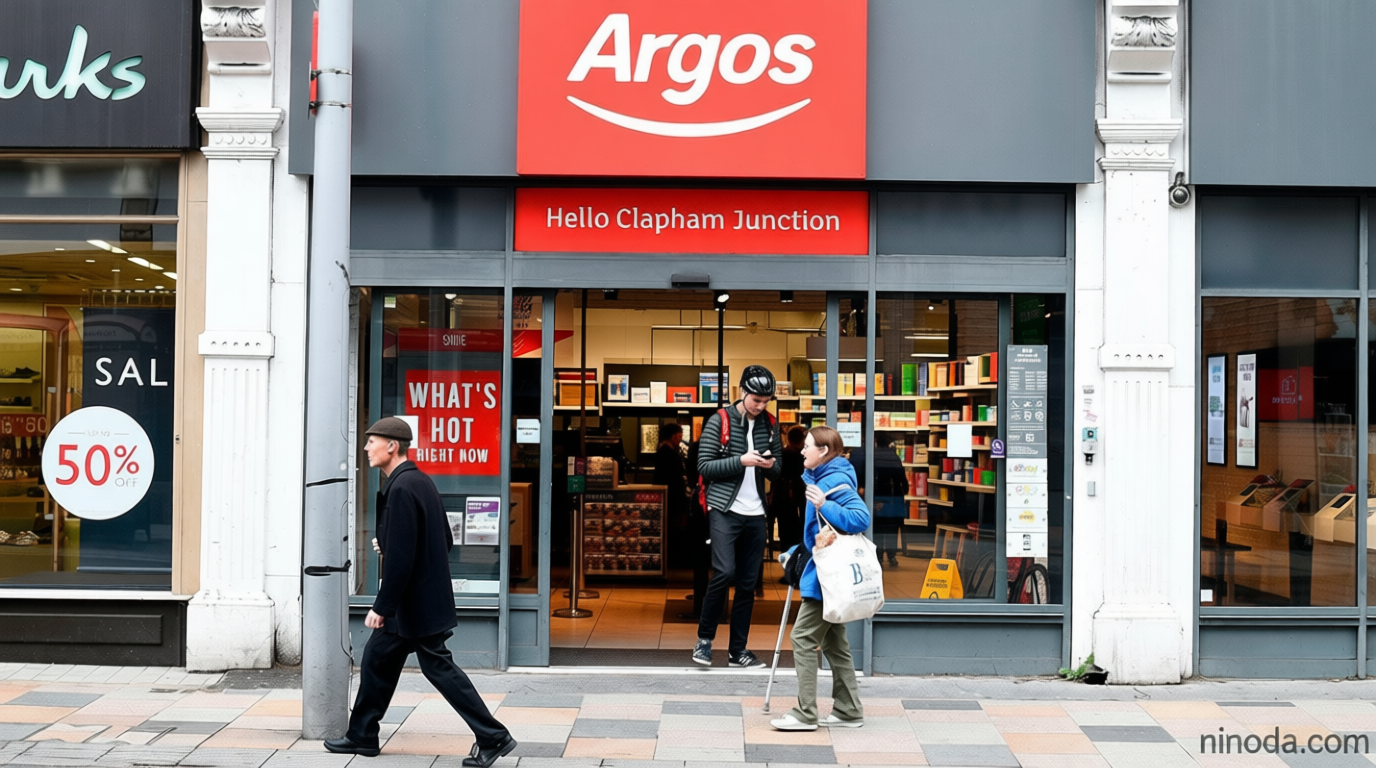
Sainsbury’s Finalizes £120m Argos Sale to Swift Partners
Ninoda.com – Sainsbury s agrees to sell Argos in a significant retail transaction that marks a new chapter for the iconic catalogue retailer. After an extended period attempting to divest the retail brand, Sainsbury’s has reached an agreement to transfer ownership of Argos to Swift Partners for £120 million. The supermarket operator’s primary objective is to concentrate resources on its core grocery operations. According to the company, operations will remain unchanged for customers, employees, and suppliers alike.
The New Ownership Structure
Swift Partners was established specifically for this acquisition and features Richard Pennycook, who previously served as chief executive of the Co-operative Group. Under the arrangement, approximately 14,000 Argos employees will transition to the new ownership group. Pennycook expressed confidence in the brand’s trajectory, noting that he sees substantial opportunities for growth and investment. The transaction is anticipated to close during February of next year.
Argos’s Retail Footprint and Evolution
The Argos network encompasses 667 locations throughout Britain. Of these, 201 function as independent outlets while 466 are situated inside Sainsbury’s supermarkets. Additionally, the company maintains over 450 collection points nationwide. Since its establishment in 1973, Argos has operated on a catalogue-based ordering system where shoppers browse printed guides and place orders at checkout counters, with merchandise delivered from connected warehouses. Comedian Bill Bailey once characterized the catalogue as the “laminated book of dreams” in a memorable description.
Today, the physical catalogue has been discontinued in favor of digital access. Customers can now explore the complete product range through tablet devices located within stores or via the company’s website. This digital transformation positions Argos well for future growth under new ownership.
Financial Context and Previous Attempts
Sainsbury’s originally acquired Argos alongside Habitat and additional Home Retail Group brands in 2016, paying £1.4 billion for the portfolio. The supermarket chain later disposed of Argos financial services—which manages the Argos credit card—for approximately £720 million in 2024. Earlier negotiations with Chinese e-commerce platform JD.com to acquire the remaining Argos business collapsed last September. Retail analyst Clive Black observed that he had consistently questioned whether Argos was “wholly aligned” with Sainsbury’s grocery operations, describing the divestment process as “challenging and prolonged.” He characterized the brand as a “suboptimal performer from a financial perspective.”
Expert Perspectives on the Deal
Retal expert Catherine Shuttleworth described Argos as having been a “distraction” from Sainsbury’s primary food retail activities. She suggested that dedicated ownership could transform Argos into a “really digital-first business,” highlighting the app’s accessibility and the efficiency of its same-day click-and-collect service. Shuttleworth believed this model could challenge major online competitors such as Amazon.
Simon Roberts, Sainsbury’s chief executive, confirmed that Argos will continue operating within Sainsbury’s stores, the Nectar loyalty program will remain available across both brands, and Sainsbury’s will maintain its Habitat product sales. Pennycook indicated that new standalone locations might open and did not eliminate the possibility of bringing back the printed catalogue.
Union representative Bally Auluk, national officer at Usdaw which represents Argos workers, acknowledged that the announcement would generate some uncertainty. However, he welcomed Swift Partners’ dedication to preserving the existing operational framework, including in-store locations, independent shops, and regional fulfillment centers.
According to Sainsbury’s most recent financial report covering the first quarter of this year, overall group sales increased by 3.1%, while Argos-specific sales experienced a slight decline of 0.5%. This performance data provides context for why Sainsbury s agrees to sell the business at this time.