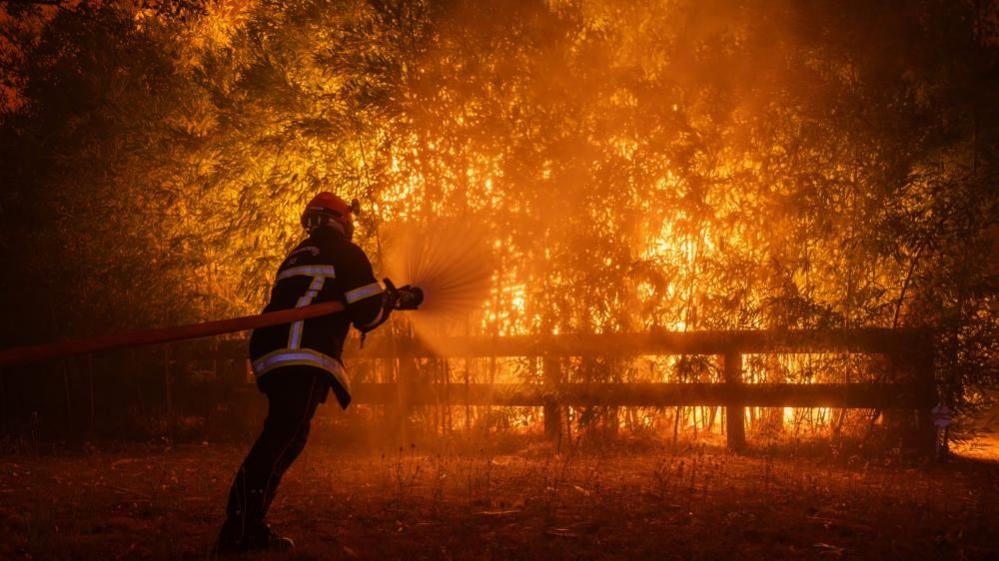
Russia hits Ukrainian train shortly after Boris Johnson and top European officials leave station

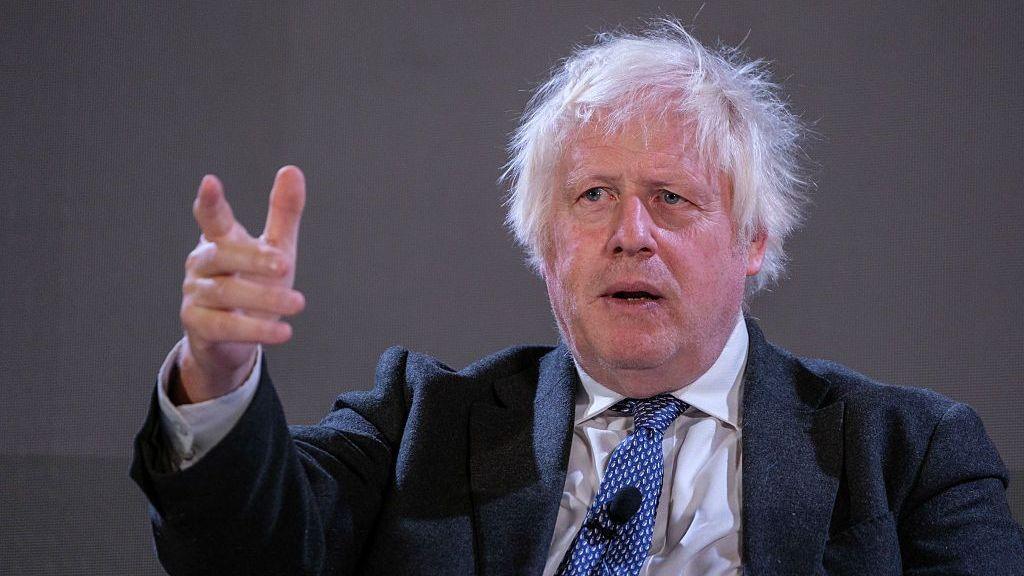
Table of Contents
Drone Strike Near Poland Border Raises Alarm After European Delegation’s Rail Journey
Ninoda.com – A Russian drone struck a Ukrainian train near the Polish frontier shortly after former British Prime Minister Boris Johnson and senior European security figures travelled along the same rail route after a conference in Kyiv.
The attack took place at Yahodyn in western Ukraine, around 2km from Poland. Ukrainian authorities said the drone hit the locomotive of a train, but no injuries or deaths were recorded because passengers had already been removed from the carriages.
Johnson, the UK’s national security adviser Jonathan Powell and other European national security representatives had been returning from Kyiv on another train using the same line. The group had attended the Yalta European Strategy, or YES, conference, an annual gathering of political, business, security and media figures.
Passengers removed shortly before impact
Ukraine’s state rail operator, Ukrzaliznytsia, said a passenger evacuation instruction was issued only 15 minutes before a jet-powered Russian drone struck. It said the train carrying the visiting delegation had departed the station sooner than anticipated after its schedule was altered because of persistent concerns over Russian attacks.
The railway operator said the diplomatic train may itself have been the intended target. Russia said it had hit railway infrastructure in western Ukraine.
Former CIA director David Petraeus was also aboard a separate train at Yahodyn station when the strike occurred, Ukrzaliznytsia said. The incident underscored the danger faced by civilians, officials and foreign visitors using Ukraine’s rail network, particularly near international crossings.
Former Swedish Prime Minister Carl Bildt, another attendee at the Kyiv event, described a tense interruption to his own journey. His train was halted and those on board were told to prepare to leave before being allowed to continue.
“On the train I was on we received order to prepare evacuation after it had stopped. But after a number of minutes we were informed that it was clear and we could proceed,” he said.
Bildt’s train later reached Dorohusk, the Polish border station, without further incident. There have been suggestions that he was travelling with Johnson, although the former UK prime minister has not confirmed details of his journey.
Johnson calls for stronger air defences
Johnson condemned the attack in a message on X, questioning the purpose of striking a stationary Ukrainian locomotive close to Poland. He described it as an example of the seemingly indiscriminate violence Ukrainians face each day, including on civilian rail services.
“I don’t know what warped logic drove Putin to blow up a stationary Ukrainian locomotive on the Polish border this morning.”
He urged Ukraine’s partners to move quickly in supplying the air-defence systems the country needs. Kyiv has repeatedly pressed allies, especially the United States, for additional interceptors as Russia increasingly deploys fast ballistic missiles and jet-propelled drones in daily attacks.
Ukrainian Foreign Minister Andrii Sybiha said the Yahodyn strike brought the consequences of the war directly to the edge of the European Union and Nato. He called for additional sanctions against Moscow and argued that the financial and strategic cost of the war must become unacceptable for Russian President Vladimir Putin.
“Putin needs to understand that his barbarism will be met with decisive action that increases the cost of war for him to an unacceptable level. This is the only way to stop him,” he said.
In Poland, Prime Minister Donald Tusk convened an emergency meeting as officials assessed the situation. He said Russia’s actions were escalating and moving ever closer to Poland’s border.
Railways remain a vital and vulnerable lifeline
Ukraine’s extensive rail network has become indispensable during the war, carrying civilians, humanitarian supplies, officials and international visitors across the country. With air travel suspended, trains are the primary means of long-distance transport for millions of people and a key connection to neighbouring European states.
That importance has also made rail infrastructure a recurring target. Russia has stepped up strikes on trains, depots, fuel facilities and border crossings, placing both transport workers and passengers at risk while disrupting routes that support civilian life and Ukraine’s broader wartime economy.
Earlier in the week, Ukrainian President Volodymyr Zelensky said two people were killed in a drone attack on a crossing between Ukraine and Moldova. A female conductor also died in a separate Russian drone strike on a passenger train in southern Ukraine.
At the beginning of the month, six Ukrzaliznytsia employees were killed when a depot in Kyiv was hit. In January, Zelensky called a Russian attack on a busy passenger train in the north-eastern Kharkiv region an act of terrorism after five people were killed.
The Yahodyn strike did not cause casualties, but its location and timing gave it particular significance. An attack close to an EU and Nato member’s border, shortly after a train carrying prominent European figures passed through the area, highlights how rapidly a routine diplomatic journey can turn into an emergency in Ukraine’s wartime transport system.
Related Reading
Frequently Asked Questions
What is Russia hits Ukrainian train shortly after?
Russia hits Ukrainian train shortly after is the main topic of this guide. The article explains the context, practical details, and next steps readers should understand.
Why does Russia hits Ukrainian train shortly after matter?
Russia hits Ukrainian train shortly after matters because readers are looking for a useful answer, not just a short summary. Good content should match search intent and help them decide what to do next.