Apology after carer fed dog food to elderly woman by mistake

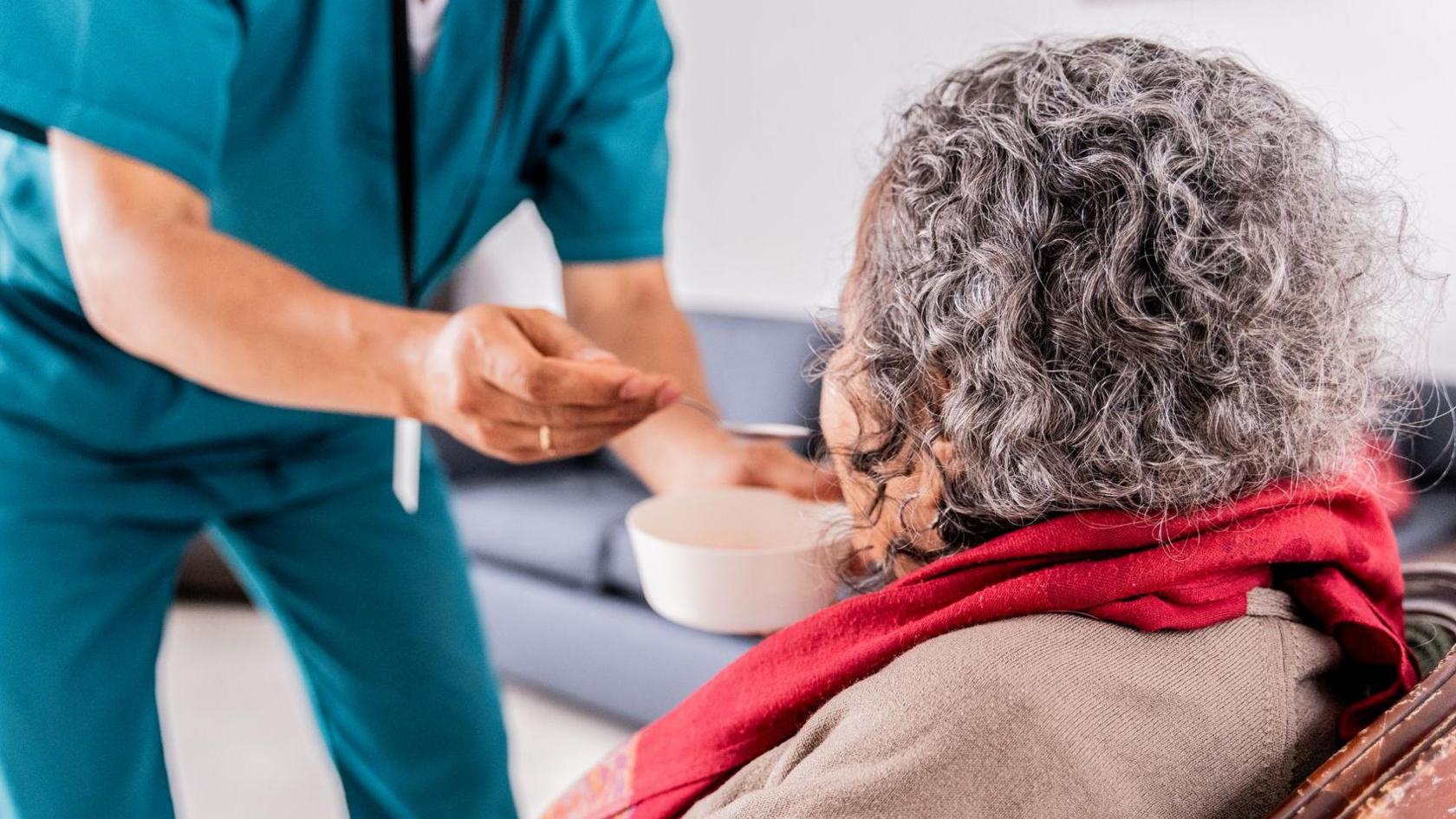
Apology after carer fed dog food to elderly woman in Portsmouth
Ninoda.com – A home carer has been at the centre of a safeguarding investigation after unintentionally feeding an elderly woman microwaved dog food. The incident, which occurred in June 2024, became part of a wider pattern of poor care at Radis Community Care in Portsmouth. The woman, who passed away from frailty of old age shortly after the incident, had eaten three mouthfuls of food that was clearly labelled “for adult dogs and puppies”.
The carer, who was employed by Radis Community Care, logged the meal from the client’s freezer as a “lamb dinner” in the care records. It was only when a second carer arrived and noticed the packaging that the mistake was discovered. The Local Government and Social Care Ombudsman described the incident as one instance of poor care over three months, noting that there were some “abysmal failures” in the service provided to the vulnerable woman.
Wider safeguarding failures uncovered
The dog food incident was not isolated. Previously, in April 2024, Portsmouth City Council opened a safeguarding inquiry following complaints from the woman’s family. The investigation revealed multiple concerns, including Radis staff logging visits that did not actually happen, feeding the woman stale and inedible food, and leaving her wet or in darkness overnight. The woman’s Do Not Attempt Resuscitation document was also found scrunched up in a cupboard, highlighting the lack of attention to her medical needs.
“This is a truly shocking case. A vulnerable woman’s care deteriorated over many months while a statutory inquiry drifted without proper oversight.” — Ombudsman Amerdeep Clarke
The inquiry took six months to complete, significantly longer than the recommended 28 days. The council relied heavily on Radis’ internal investigation and did not exercise proper scrutiny, even though the company was already subject to a separate wider inquiry into its overall performance. The ombudsman warned that councils cannot outsource their safeguarding duty to care providers.
Consequences and improvements
Following the investigation, Portsmouth City Council took several actions. The council said it no longer commissioned services from Radis Community Care and had refunded the care fees to the family. Additionally, the council paid the family an extra £1,000 in compensation. Portsmouth City Council stated it had ended the Radis contract early and had improved its monitoring of care providers together with its response to concerns.
Radis Community Care also issued an apology, stating that the fact that dog food was mistakenly provided was “wholly unacceptable”. The company said it had voluntarily withdrawn from providing services in Portsmouth at the end of 2025. Radis confirmed it had improved its services and procedures and was no longer employing the care worker involved in the incident.
Both organisations have apologised for their roles in the incident. The case has highlighted the importance of proper oversight when councils commission care services for vulnerable residents. It serves as a reminder that safeguarding responsibilities cannot be delegated entirely to external providers.
Frequently Asked Questions
What happened in the dog food incident? A home carer at Radis Community Care accidentally fed an elderly woman microwaved dog food in June 2024. The woman ate three mouthfuls before a second carer noticed the packaging was labelled for dogs.
What was the outcome of the investigation? The Local Government and Social Care Ombudsman found multiple failures in care. Portsmouth City Council ended its contract with Radis, refunded fees, and paid £1,000 compensation to the family.
What actions did Radis Community Care take? Radis voluntarily withdrew from providing services in Portsmouth at the end of 2025. The company improved its services and procedures and confirmed it was no longer employing the care worker involved.
Why is this case significant? The case demonstrates that councils cannot outsource their safeguarding duty. It highlights the need for proper oversight when commissioning care services for vulnerable residents.