
Youth Protests Have Weakened Modi, Says Activist
Ninoda.com – Indian activist Sonam Wangchuk has declared that youth protests have weakened Modi‘s government, marking a significant shift in India’s political landscape. The 59-year-old education campaigner, whose prolonged hunger strike helped ignite the movement, told the BBC that recent student-led demonstrations have fundamentally altered the administration’s standing. Mass rallies ultimately led to Education Minister Dharmendra Pradhan’s departure on July 25, underscoring how youth protests have weakened Modi‘s grip on power.
“Young people now have more confidence they can change things if they want to,” Wangchuk observed. “They feel they don’t have to take everything lying down.”
The Cockroach Movement Gains Momentum
The “Cockroach” movement represents one of the most substantial public challenges to Modi’s administration, which has governed since 2014. The name derives from a controversial statement by India’s chief justice, who faced backlash after likening segments of unemployed youth to “cockroaches” during judicial proceedings.
Wangchuk conducted his fast in Delhi’s intense summer heat throughout June and July, surviving on salt and water alone for 26 days. He reports recovering six kilograms of the eleven he shed during the ordeal. During the final six days, authorities transported him to medical facilities that he characterized as “more like prisons.”
“There needs to be some planning of what the world and the country are likely to look like in 15 years,” Wangchuk says.
Government Responses and Deeper Issues
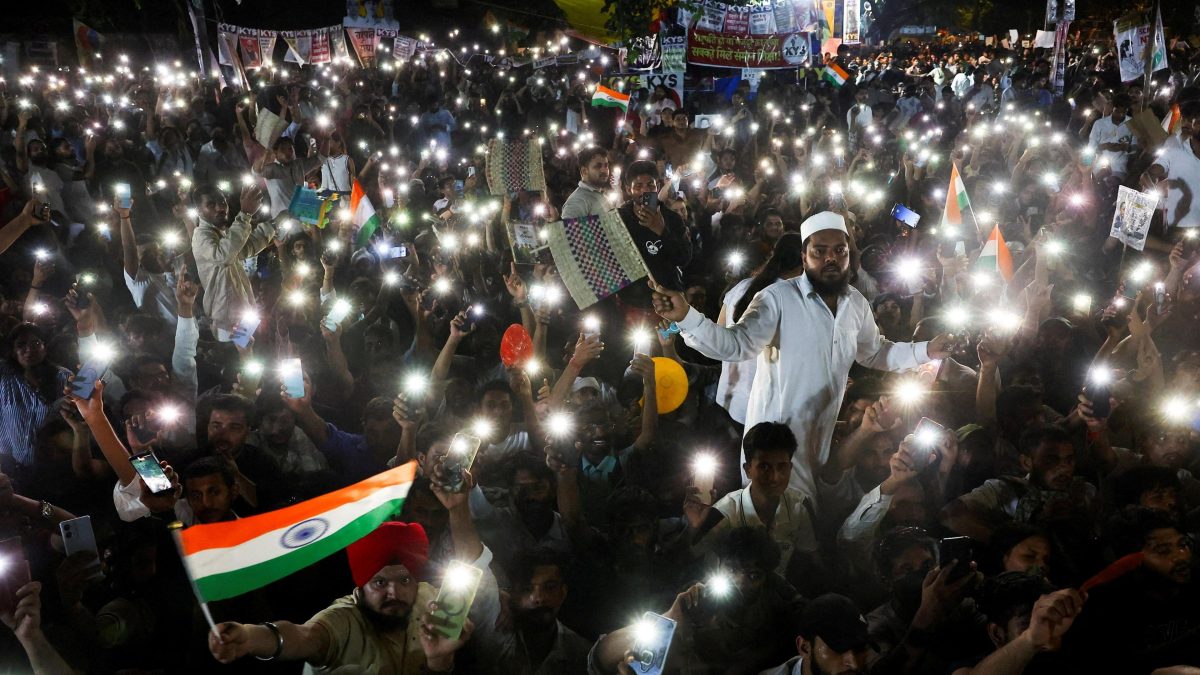
Protests evolved from outrage over examination paper leaks into some of India’s largest anti-government rallies in recent memory. Education Minister Dharmendra Pradhan stepped down the day following Wangchuk’s fast conclusion. Subsequently, Modi revealed plans for expedited courts to handle leak-related cases and designated a technology billionaire to oversee examination system improvements.
Additionally, officials announced financial compensation for families whose children committed suicide following the question paper revelations. However, structural challenges persist—graduate unemployment has remained between 35 and 40 percent for approximately twenty-five years.
Education Reform Proposals
Wangchuk, an engineer and education specialist, contends that fundamental changes are necessary. He argues that current examination methods bear little connection to employment requirements. Predominantly utilizing multiple-choice formats, these tests prioritize efficiency in evaluating millions of candidates while neglecting whether they genuinely measure practical skills and comprehension.
According to Wangchuk, this examination model influences teaching methodologies throughout schools. If assessments emphasized practical experience and aptitude more heavily, educational institutions might modify their approaches, potentially alleviating India’s employment challenges.
“Changing the way children are taught might help ensure they are not left unemployed and sectors that need people are not left underemployed.”
Political Repercussions and Future Outlook
The government has historically countered criticism regarding economic management, maintaining that unemployment concerns are exaggerated and that macroeconomic strategies remain sound. Meanwhile, numerous Cockroach Janta Party demonstrators continue experiencing consequences including legal proceedings, police encounters, and online harassment—despite Supreme Court instructions prohibiting coercive measures against first-time offenders.
Wangchuk, who has previously advocated for greater autonomy in Ladakh, believes transformation is underway. He attributes significant damage to the administration stemming from the delayed resignation timeline, which empowered youth to develop confidence and solidarity.
Pointing to electoral setbacks, Wangchuk noted the ruling BJP party lost two of three by-elections recently, including a constituency in Bihar that had remained under their control for over three decades. Nevertheless, he expressed optimism about leadership adaptability.
“I always believe in people realising their mistakes and amending their ways. So I would give them that chance.”
Twelve days have elapsed since Wangchuk concluded his fast. He has returned to Leh, his birthplace situated in the Himalayan region, where he continues monitoring developments and remains hopeful that sustained pressure may yield meaningful change beyond educational reforms alone.
Frequently Asked Questions
Who is Sonam Wangchuk?
Sonam Wangchuk is a 59-year-old Indian engineer and education campaigner from Ladakh. He gained prominence for his work in education reform and his advocacy for greater autonomy for the Ladakh region.
Why did Wangchuk go on a hunger strike?
Wangchuk conducted a 26-day hunger strike in Delhi during June and July to support student protesters and demand reforms in India’s examination system following widespread paper leaks.
What is the “Cockroach” movement?
The “Cockroach” movement is a youth-led protest in India named after a statement by the country’s chief justice, who compared unemployed youth to “cockroaches.” The movement has become one of the largest challenges to Modi’s administration.
How have youth protests affected Modi’s government?
Youth protests have weakened Modi’s government by forcing the resignation of Education Minister Dharmendra Pradhan, triggering electoral setbacks for the BJP, and empowering young Indians to demand systemic changes in education and employment policies.