
Majority of England’s rivers and lakes fail new environmental review

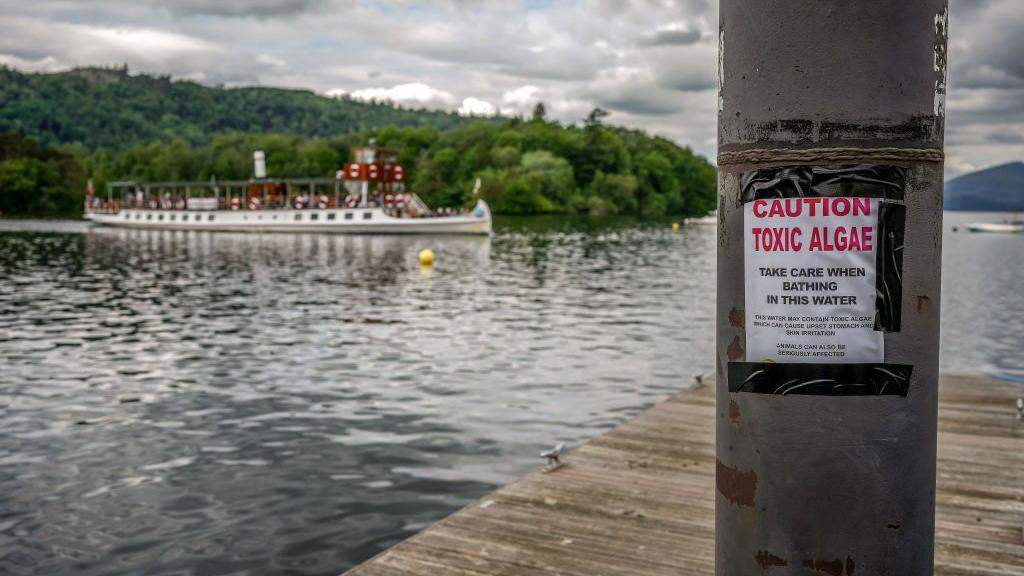
Table of Contents
England’s Waterways Struggle in Latest Environmental Assessment
Ninoda.com – The initial thorough evaluation of England’s aquatic ecosystems over a six-year span reveals persistent difficulties. Approximately one out of every seven water bodies—encompassing rivers, lakes, and coastal zones—has been categorized as maintaining healthy ecological status. According to figures released by the Environment Agency, just 15 percent of rivers achieved this designation, while fewer than seven percent of lakes met the same benchmark. Notably, no single waterway successfully cleared the distinct chemical contamination examination.
Primary Contaminants and Investment Promises
Phosphate emerges as the foremost challenge, originating from agricultural runoff and wastewater treatment facilities. Roughly fifty percent of watercourses continue to surpass acceptable thresholds for this nutrient. Even with a historic £22 billion allocation designated for water utility environmental upgrades through 2030, conditions have shifted minimally since the previous 2019 evaluation.
Government projections indicate the nation will likely fall short of its legally mandated objective to restore 77 percent of English waters to favorable ecological standing by 2027. The Office for Environmental Protection, serving as the environmental watchdog, cautioned this shortfall would be “considerable.” Consequently, the organization has initiated investigations into both governmental bodies and the Environment Agency regarding potential regulatory violations.
Political Response and Sector Accountability
Environment Secretary Angela Eagle emphasized that these statistics “underline the need for wholesale change across the water sector.” She highlighted recently enacted legislation designed to ensure water companies maintain accountability alongside substantial financial commitments. “We will drive forward a system that puts the public interest first,” she declared.
“There’s a lot of poo that comes out of the chickens,” she said. “If it goes straight into a river, it causes eutrophication. The whole ecology of the river is damaged, and the river is dying.”
Agriculture: An Overlooked Pollution Source
While public discourse frequently targets water utilities and their sewage discharges, researchers and advocacy groups identify farming as an equally significant contributor receiving comparatively minimal attention. Erica Popplewell from River Action highlighted intensive poultry operations—enormous facilities containing hundreds of thousands of birds—as an escalating danger to waterways including the Severn and Wye rivers.
“We will drive forward a system that puts the public interest first,” she said.
She urged policymakers to address both agricultural runoff and sewage contamination “with the same urgency.” The National Farmers’ Union of England and Wales has been contacted for their perspective.
Additional Contaminants and Methodological Changes
Beyond sewage and agricultural sources, the Environment Agency identified numerous other pollutants impacting English water bodies. These include petroleum products, residential garden pesticides, and road runoff carrying microplastic particles. Fertilizer applications on farmland frequently wash into watercourses, creating nutrient overload conditions.
The agency clarified that this year’s measurements cannot be directly compared to 2019 figures due to revised assessment methodologies. The dramatic reduction in lakes rated as healthy—approximately halving since 2019—primarily stems from updated expert evaluation criteria rather than actual deterioration in lake conditions.
“No, definitely not.”
Expert Criticism and Drought Complications
Alan Lovell, chair of the Environment Agency, conceded that excessive water bodies “still not achieving the standards we want to see,” noting the organization is “transforming our enforcement work” with its most extensive workforce to date.
Professor Penny Johnes, a prominent water quality researcher at the University of Bristol, argued the actual situation likely proves worse than official classifications indicate. She characterized the assessment framework as “not fit for purpose,” noting it examines insufficient pollutants at inadequate intervals while overlooking nitrogen and other compounds scientists recognize as primary drivers of river degradation.
These conclusions emerge as much of England experiences official drought conditions, with watercourses running low and over twenty million residents confronting hosepipe restrictions. Reduced water volumes can intensify pollution concentrations that the new data aims to monitor, exposing fish and other aquatic organisms to elevated contamination levels.
Climate projections suggest increasingly dry and warm summers may worsen these challenges. When asked directly whether England’s waters have improved compared to six or seven years prior, Professor Johnes responded: “No, definitely not.”
All rivers and lakes failed the chemical pollution assessment. The Environment Agency attributes this partly to legacy contaminants like mining-derived heavy metals requiring decades to decompose, with certain substances continuing to accumulate. Professor Johnes additionally identified this as “a failure to regulate effectively” emerging chemical pollutants, ranging from pharmaceutical antibiotics to persistent compounds scientists refer to as “forever chemicals.”
Related Reading
Frequently Asked Questions
What is Majority of England s rivers and lakes?
Majority of England s rivers and lakes is the main topic of this guide. The article explains the context, practical details, and next steps readers should understand.
Why does Majority of England s rivers and lakes matter?
Majority of England s rivers and lakes matters because readers are looking for a useful answer, not just a short summary. Good content should match search intent and help them decide what to do next.