The ‘education gap’ hiding behind picture-perfect Cornwall and Devon

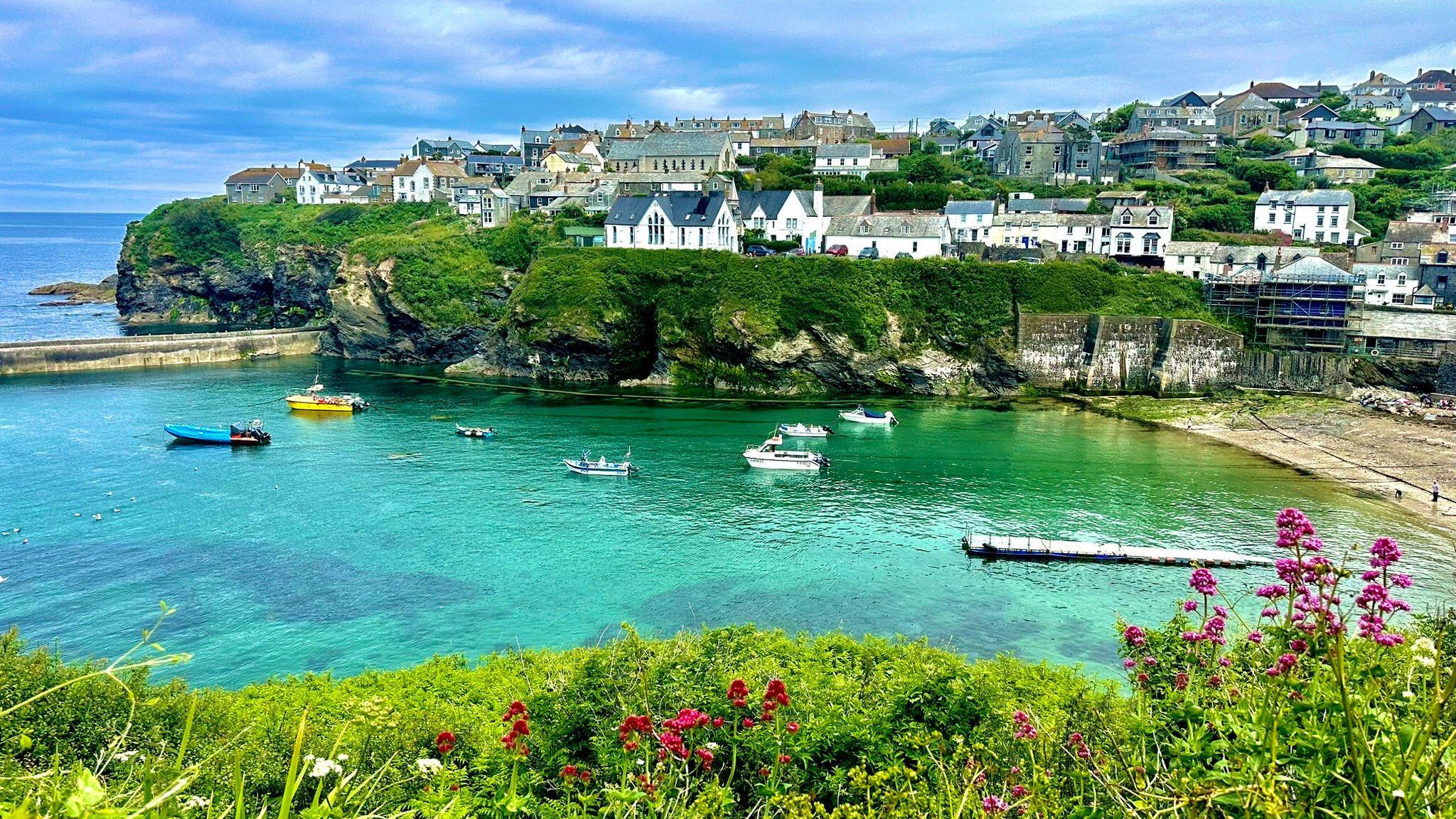
Table of Contents
Beyond the Postcard: Cornwall and Devon’s Hidden Educational Challenges
Ninoda.com – Millions of visitors flock to Cornwall and Devon each summer, drawn by golden sands and charming seaside settlements. This coastal region has earned its reputation as England’s premier holiday destination. However, beneath the surface of scenic landscapes and prosperous communities exists a contrasting reality. Many young residents face barriers that prevent them from realizing their full capabilities.
According to the South West Social Mobility Commission, which brings together various organizations working toward improvement, the peninsula ranks among the least successful areas in England for educational outcomes. While discussions about academic achievement typically focus on differences between northern and southern regions, this framework can mask difficulties experienced by children living in coastal and countryside locations.
When examining regional statistics for English and mathematics GCSE qualifications across England, the South generally achieves better results than the North. Yet closer examination reveals something quite different. Looking at individual local authority figures while accounting for students eligible for free school meals shows the South West ranking as the second lowest-performing area, surpassed only by the South East.
The “Pretty Poverty” Phenomenon
Professor Tanya Ovenden-Hope, who teaches education at Plymouth Marjon University, characterizes conditions in the South West as “pretty poverty.” She explains that this situation results in fewer young people achieving what they are capable of. Growing up within a low-income household in a coastal rural setting creates what she considers a potentially harmful combination.
“If you live in Cornwall you have to own a car. It’s not a luxury, it’s a necessity, because everything you do and everywhere you go involves some kind of travel. That’s not measured by the government’s measures of deprivation.”
Professor Ovenden-Hope points out that official government calculations of community disadvantage frequently rely on metrics designed for urban environments, particularly regarding transportation access. These measurement approaches influence how public funds are distributed throughout England.
Tourism’s Double-Edged Impact
While tourism represents the largest economic sector in Cornwall, it creates financial pressures for local families raising children with limited resources. In April 2025, Cornwall Council implemented a complete premium on council tax for second homes. This decision responded to increasing worries that affluent visitors were purchasing properties at elevated prices, making starter homes less accessible for local families.
Official statistics from the Office for National Statistics indicate that the typical house price in Cornwall reached £280,000 by May 2026. The broader South West region averaged £303,000 during the same timeframe, compared to the national average of £271,000. Rental costs also climbed, with average monthly rents in Cornwall increasing by four percent over the year leading to June 2026, reaching £1,005.
“It’s not all ice creams and sandy beaches and turquoise seas,” says Dominic Wilkes, a headteacher who moved from Greater Manchester to Bude in North Cornwall.
Higher living expenses and transportation requirements affect both teacher training programs and recruitment efforts. Research suggests that the distance of certain communities from larger population centers discourages younger educators from relocating from other parts of England.
Expanding Horizons Beyond the Coast
Wilkes, who leads the sole secondary school in Bude, notes that teacher retention remains relatively strong in the area. This stability fosters stronger connections between educators and local communities. Nevertheless, encouraging students to consider diverse career paths presents unique obstacles.
During his time teaching in Greater Manchester, Wilkes could easily arrange tram journeys for students visiting cultural institutions and workplaces, including BBC facilities at MediaCity in Salford. In contrast, the closest railway station sits approximately thirty miles from Budehaven Community School. Students commute from dispersed villages, and the local job market provides a narrower selection of opportunities to inspire ambitions beyond school walls.
“I think Cornwall’s amazing and all my family are here but I think I want to be able to grow as a person,” says Ethan, who wants a career in marine biology.
Ethan, a Year 10 student at Budehaven Community School, aspires to work in marine biology. He recently completed a work placement at a seal sanctuary that required a three-hour journey by car. He expressed enthusiasm about his chosen field.
“I love being in the sea and just protecting its habitats and wildlife, it really makes me excited to do something like that,” he said.
These personal stories illustrate how geographic isolation and economic factors intersect to shape educational experiences in one of England’s most visually celebrated regions.
Related Reading
Frequently Asked Questions
What is The education gap hiding behind picture?
The education gap hiding behind picture is the main topic of this guide. The article explains the context, practical details, and next steps readers should understand.
Why does The education gap hiding behind picture matter?
The education gap hiding behind picture matters because readers are looking for a useful answer, not just a short summary. Good content should match search intent and help them decide what to do next.