Air India crash pilot’s father vows to defend son’s reputation

Air India Crash Pilot’s Father Vows to Defend Son’s Reputation
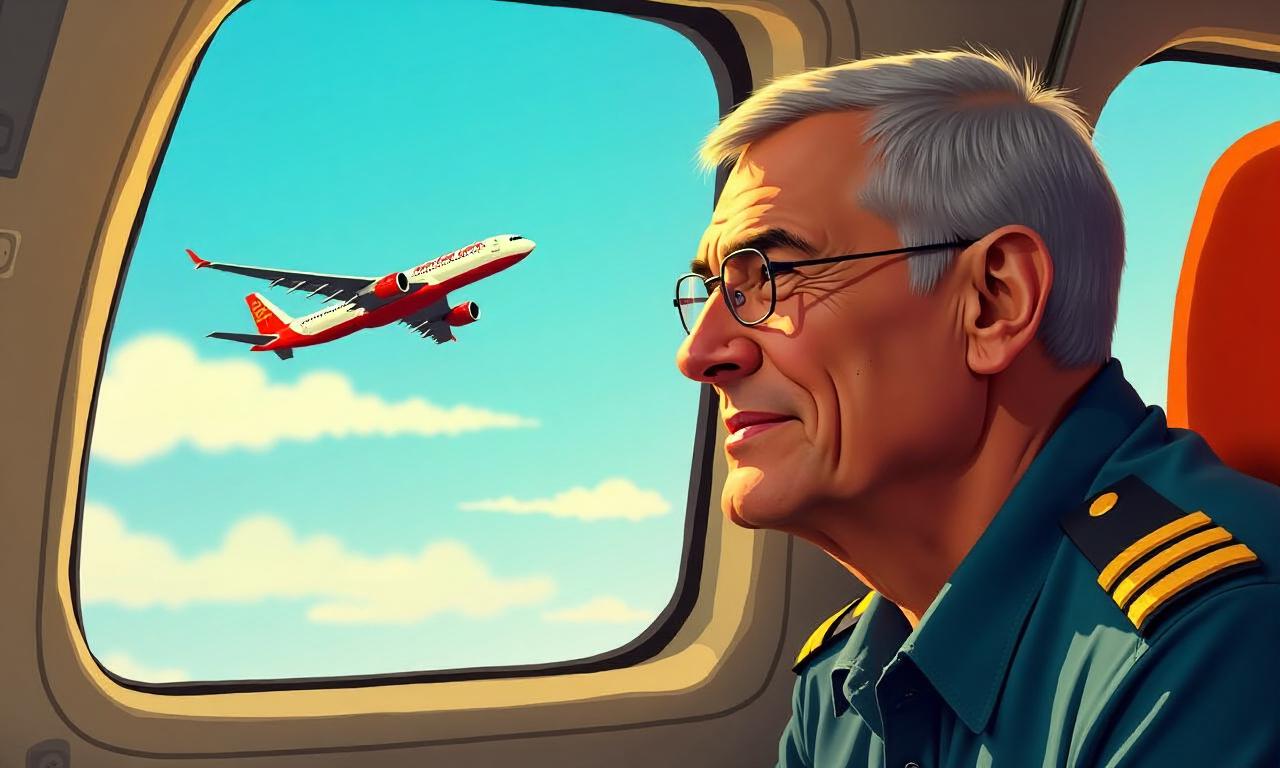
Ninoda.com – Pushkar Raj Sabharwal, the father of Air India crash pilot Sumeet Sabharwal, has remained resolute in his efforts to clear his son’s name following the 2025 plane disaster that claimed 260 lives. As investigators prepare to release new findings, the retired aviation safety officer continues to assert that his son’s actions were not to blame. This stance comes amid persistent media speculation that has cast doubt on the pilot’s professionalism, prompting the father to defend his reputation with unwavering determination.
The Tragedy and Initial Findings
The crash, which occurred on 12 June 2025, involved a Boeing 787 Dreamliner departing from Ahmedabad, India, en route to London. At the time of the incident, the aircraft was in the early stages of its journey, and 260 individuals lost their lives, including 241 passengers and crew. A preliminary report from India’s Aircraft Accident Investigation Bureau (AAIB) released in July 2025 indicated that both engines’ fuel control switches shifted from “run” to “cut-off” shortly after takeoff. However, this finding has not definitively linked the pilot to the accident, leaving room for debate among experts and the public.
Investigations into the crash have focused on the cockpit dialogue captured in the audio recordings. One pilot questioned why the other had “cut-off” the fuel flow, to which the second pilot denied responsibility. This exchange has been central to discussions about potential human error, but investigators have yet to confirm which pilot made each statement. Capt Sabharwal, who was monitoring the flight during takeoff, was positioned as the lead pilot in the cockpit, yet no conclusive evidence has been presented to implicate him in the incident.
Father’s Legal and Emotional Campaign
Pushkar Raj Sabharwal, now in his 90s, has taken legal steps to ensure his son’s reputation is preserved. After the release of the AAIB’s initial report, he sought an independent review through India’s Supreme Court, which concluded that “nobody can blame” the senior pilot. Despite this, the family still faces scrutiny from public opinion and media narratives that suggest negligence. The father’s commitment to defending his son’s legacy is driven by both personal grief and a desire to uphold the standards of the aviation industry.
Reflecting on his son’s character, Pushkar described Capt Sabharwal as a man of immense dedication. “His mother used to say he was her Shravan,” a reference to the Hindu mythological figure symbolizing unwavering devotion. The pilot, with over 15,600 flying hours, including nearly 8,600 on the Boeing 787, was nearing retirement to spend more time with his family. His son’s final words to Pushkar, “I’m boarding the aircraft and I’ll call you from Gatwick,” remain a poignant reminder of the tragedy that unfolded.
Media Scrutiny and Industry Response
International media outlets such as The Wall Street Journal and Reuters initially highlighted new evidence pointing to the senior pilot’s possible involvement. These reports sparked controversy, with Indian aviation groups condemning the “selective and unverified reporting” that risked unfairly damaging the pilot’s reputation. The AAIB emphasized the need for patience, stating that premature conclusions could mislead the public and undermine the thoroughness of the investigation.
Pushkar Raj has become a key figure in the narrative surrounding the crash, using his platform to advocate for his son. He has shared personal stories about his son’s dedication, including how Capt Sabharwal maintained regular contact even during long flights, calling multiple times from hotels to update his family. These accounts aim to humanize his son and counter the impersonal accusations that have emerged in the wake of the disaster.
The emotional impact of the crash on Pushkar’s family has been profound. “It is a loss, an unbearable loss,” he admitted, but added that he remains steadfast in his efforts to support his son’s legacy. His daughter and son moved from Delhi to Mumbai to assist him during the aftermath, while the local community also rallied to offer comfort and solidarity. This collective support highlights the importance of public perception in shaping the narrative of such high-profile tragedies.