How a 90-second power outage sparked chaos for rail commuters

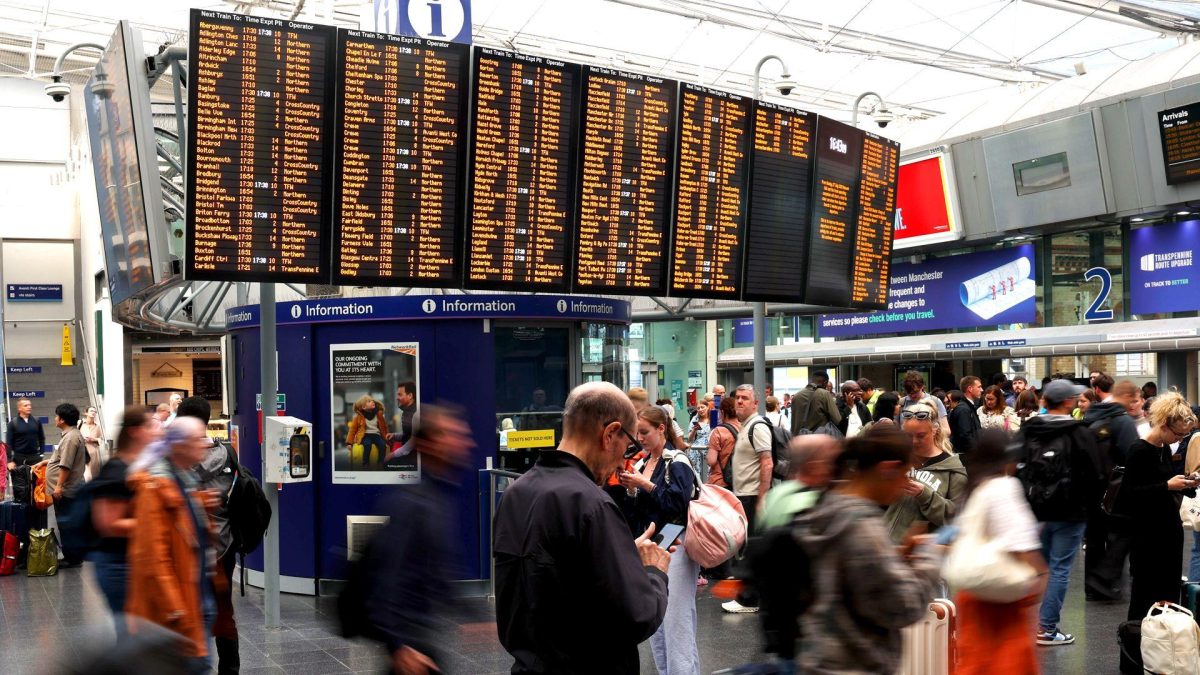
Table of Contents
Manchester Power Glitch Triggers Widespread Railway Disruption
Ninoda.com – A brief electrical failure at a Network Rail facility in Manchester has prompted renewed examination of how a momentary disruption at a single hub can cascade into extensive travel chaos. The publicly-owned organization responsible for Britain’s rail infrastructure—overseeing tracks, signals, embankments, and principal stations—now faces intense scrutiny over its system resilience.
What Happened at the Manchester Centre
The Manchester operating centre, which manages control systems for substantial portions of the North West, experienced a power interruption lasting just 90 seconds. Despite being equipped with backup power supplies befitting its critical role, the secondary supply failed to activate promptly. Chris Wright, the north-west route director, emphasized that the organization is “working really hard” to determine the precise cause of the malfunction. He clarified to the BBC that the centre did not endure a full 90-second service break, noting that core systems returned to operation more swiftly.
“We didn’t experience a 90-second interruption,” he told the BBC, insisting its systems were back online sooner.
Wright acknowledged that certain communication networks behaved unexpectedly, requiring reconfiguration and component replacement. “We’ve got to work really hard very quickly now to understand why that’s the case,” he explained.
Signalling Systems Under Pressure
By Friday afternoon, Wright confirmed that backup mechanisms had ultimately functioned as intended. However, the signalling infrastructure—essentially the railway’s equivalent of traffic signals—suffered disruption, forcing trains to halt while systems underwent reboot procedures. Damage to signalling control equipment necessitated part replacements, extending the restoration timeline. Considering the density of rail traffic across the North West and beyond, numerous trains and crews found themselves displaced, amplifying the disruption’s reach. Network Rail has issued apologies to passengers and launched an internal investigation. Leadership stated that engineers are actively “building additional resilience into our signalling systems to ensure that this doesn’t happen again.”
Centralization: A Double-Edged Sword
The modernization effort saw Network Rail transition from hundreds of traditional signal boxes to 12 Rail Operating Centres distributed throughout Great Britain. Designed as sophisticated control hubs, these facilities centralize network management. Manchester’s facility commenced operations in 2014. Industry experts caution that this consolidation strategy carries inherent risks. Christian Wolmar, a noted rail commentator, observed that the model creates vulnerability: “if one thing goes wrong, it can wipe out, as we saw, quite a lot of the network.”
“So really they’ve got to start thinking about both resilience, but also whether the centralisation of all the signalling and communications into a very small number of places is the right thing to do,” he added.
Broader Context and Funding Concerns
While this incident stands independently from recent challenges like heat-related speed restrictions and infrastructure breakdowns, it arrives during a period of passenger frustration. Travelers have endured operator performance issues, industrial action, and escalating ticket costs over recent years. Regulated fares remain frozen in England for the current year. Rail engineer Gareth Dennis connected the outage to ongoing funding constraints and workforce reductions at Network Rail. He posed critical questions: “Are their staff suitably resourced? Are there enough staff to be ensuring that things like those checks of that supply are happening?” Network Rail operates under five-year funding agreements approved by government. The most recent cycle began in 2024, with officials pledging £44.1 billion across the 2024-29 timeframe—a £3 billion uplift compared to the preceding period. Inflationary pressures and increasing frequency of extreme weather events have strained financial resources considerably. Andrew Haines, the former chief executive, highlighted during the new business plan rollout that limited budgets “need to go further than ever before.” The government’s contemporary rail strategy also encompasses plans to nationalize passenger rail operations.
Related Reading
Frequently Asked Questions
What is How a 90 second power outage?
How a 90 second power outage is the main topic of this guide. The article explains the context, practical details, and next steps readers should understand.
Why does How a 90 second power outage matter?
How a 90 second power outage matters because readers are looking for a useful answer, not just a short summary. Good content should match search intent and help them decide what to do next.