Burnham warned Iran war could hit UK growth next year

Table of Contents
Burnham warned Iran war could reshape UK economic outlook
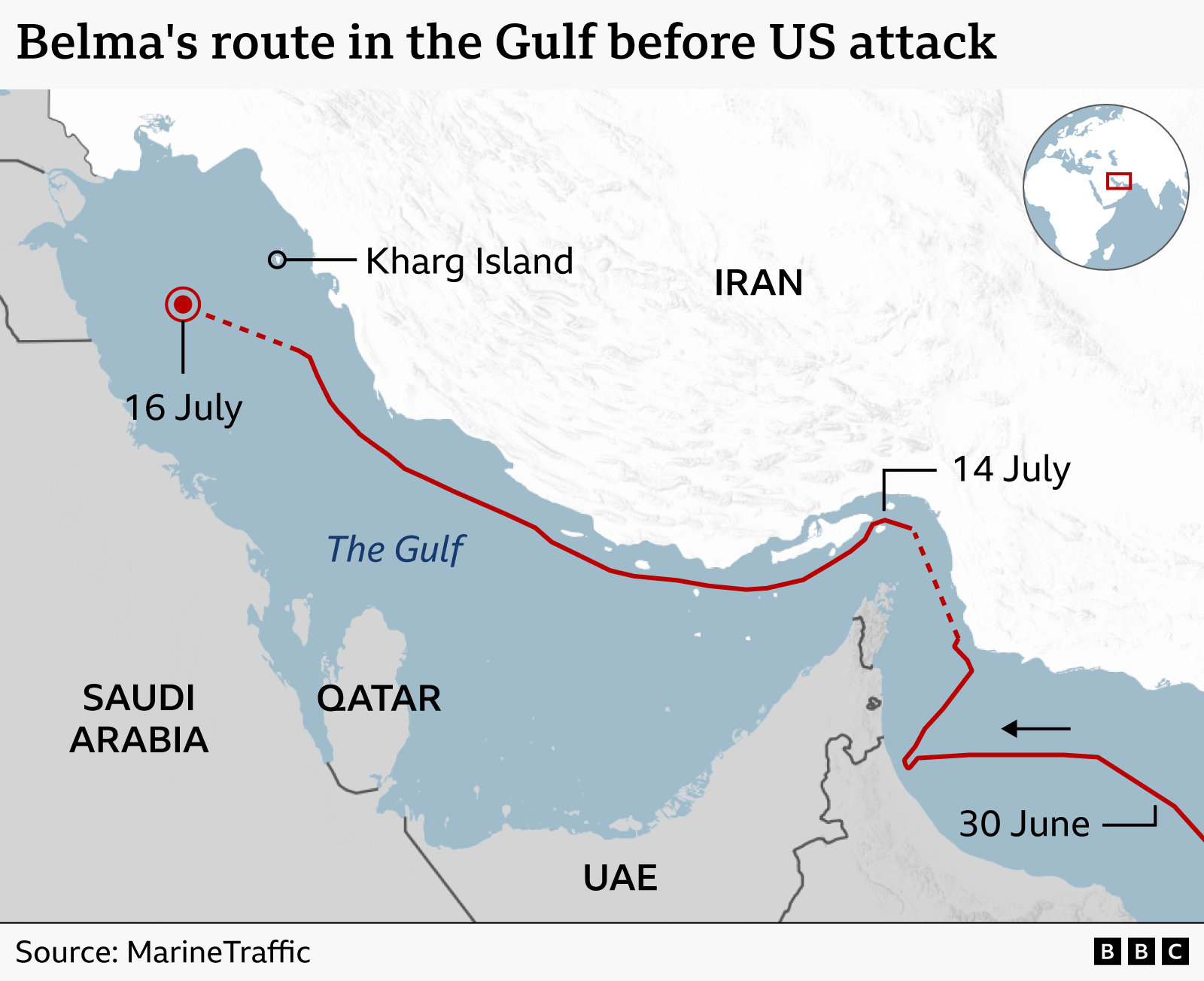
Ninoda.com – Burnham warned Iran war could significantly impact the UK economy if tensions in the Middle East escalate further. Andy Burnham has been cautioned that the UK economy might barely register any growth next year should disruption in the Strait of Hormuz persist until the end of 2026. Treasury sources have confirmed that internal modelling presented to the new prime minister and chancellor suggests UK GDP growth could be as low as 0.3% in 2027, as first reported by Bloomberg. Government officials say they routinely plan for all possible scenarios to ensure economic resilience.
The UK economy saw a strong start to the year, but growth then faltered with the conflict in the Middle East affecting some businesses. The Iran war has pushed up oil and fuel prices, and also disrupted supply chains across multiple sectors. On Thursday, official figures will show how much the economy grew between April and June of this year, providing crucial data for policymakers.
Economic projections and policy responses
Economists are expecting growth of 0.4% for the three months. Burnham and Chancellor John Healey were presented with a reasonable worst-case scenario of the Strait of Hormuz remaining effectively closed for the next five months, and no permanent US-Iran peace deal until the new year. The Treasury modelling for that scenario was that the UK economy would grow by 0.9% over 2026 – slightly under the 1.1% forecast by the Office for Budget Responsibility (OBR) in March.
“The prospect was much dimmer for next year, with just 0.3% growth projected – much lower than the OBR’s 1.6% forecast for 2027,” said Treasury officials.
The prospect was much dimmer for next year, with just 0.3% growth projected – much lower than the OBR’s 1.6% forecast for 2027. Under the modelling, inflation would peak at 4.3% in the first three months of next year. It currently stands at 2.6%, just above the Bank of England’s 2% target. This inflation spike could further squeeze household budgets and business margins.
The prime minister and chancellor will face pressure to use the upcoming Budget on 28 October to ease the financial burden on households and businesses. Since taking office three weeks ago, Burnham has announced policies including the removal of VAT from domestic electricity bills and bringing forward an already planned end to “subscription traps”. But this week he told the BBC’s Wake up to Money the announcements, aimed at tackling the cost of living, are not enough on their own, hinting at further support.
He has asked Healey to look at what more the government can do on the cost of living in the Budget, with the chancellor saying it will be his “main focus”. But Healey has said he will oversee “strong fiscal discipline” – which will limit how much the government has to spend. Burnham has said his government will stick to the party’s 2024 manifesto pledges not to increase people’s income tax, VAT or National Insurance contributions.
He also promised to follow the fiscal rules imposed by former Chancellor Rachel Reeves, which include a pledge to balance day-to-day spending with tax revenues by the end of the decade. UK economy returns to growth in May PM admits cost of living help is not enough and hints at further support Stick to spending limits, PM and chancellor tell ministers in joint memo.
What this means for UK households and businesses
For consumers, the potential for higher inflation and slower growth means tighter budgets ahead. Energy bills, while benefiting from VAT cuts, may still rise as global oil prices remain elevated. Businesses reliant on imports through the Strait of Hormuz could face additional costs and delays.
The government’s challenge is balancing immediate relief with long-term fiscal sustainability. Burnham warned Iran war could necessitate careful spending decisions in the upcoming Budget. With elections approaching and public expectations high, the administration must navigate competing priorities while maintaining market confidence.
Frequently Asked Questions
When is the next UK Budget? The next Budget is scheduled for 28 October 2025, when Chancellor John Healey will present his financial plans to Parliament.
How might the Iran conflict affect UK fuel prices? Disruption in the Strait of Hormuz could push oil and fuel prices higher, potentially increasing costs for consumers and businesses that rely on imported energy.
What are the government’s tax commitments? Burnham has pledged not to increase income tax, VAT, or National Insurance contributions, sticking to the party’s 2024 manifesto promises.
What is the Strait of Hormuz and why is it important? The Strait of Hormuz is a critical maritime chokepoint through which approximately one-fifth of global oil supplies pass. Any disruption could significantly impact worldwide energy markets and prices.
For more updates on UK economic policy, visit BBC Business or BBC Politics for comprehensive coverage.