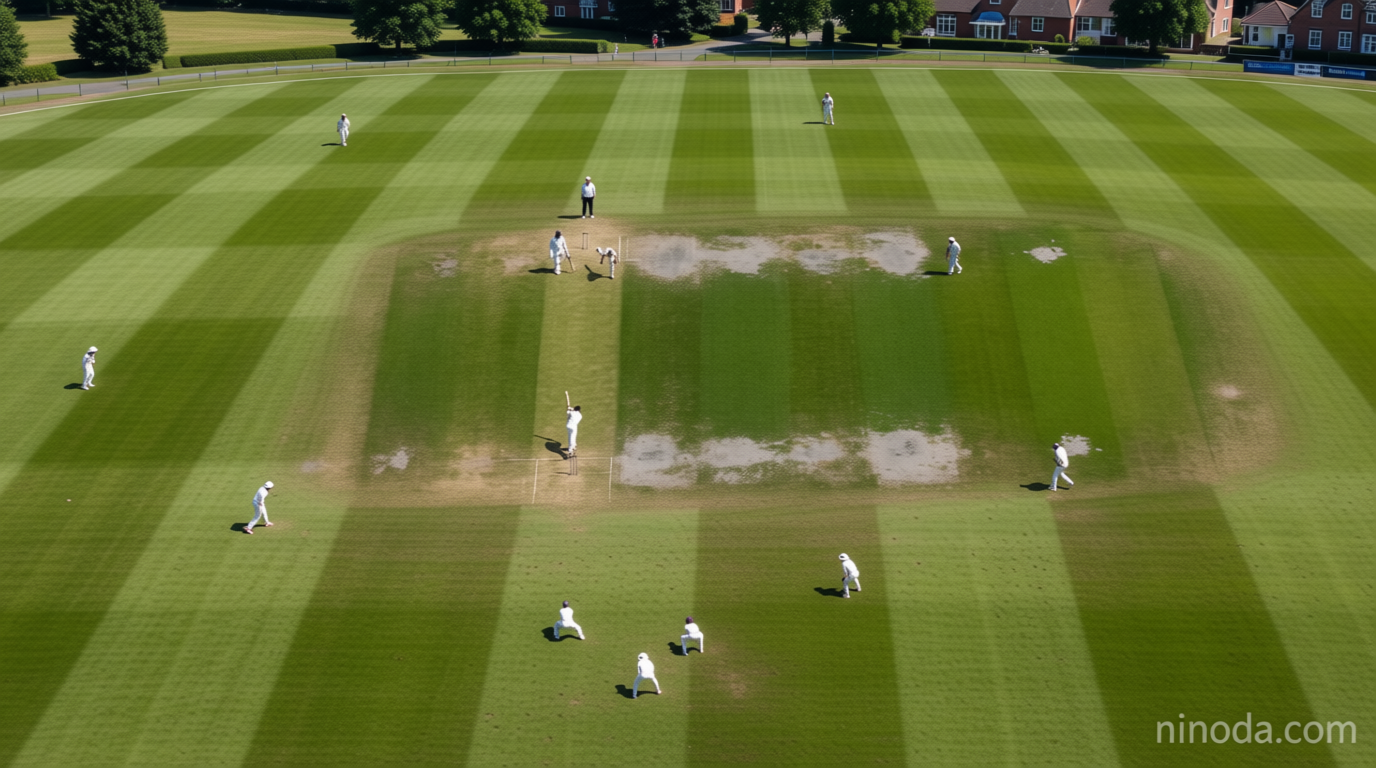
Weekend to bring significant drop in temperatures as heatwave ends


Table of Contents
UK Braces for Sharp Cooling as Summer Heatwave Concludes
Ninoda.com – The United Kingdom is preparing for a substantial temperature decline over the coming days, marking the conclusion of the year’s fifth period of intense heat. Following Thursday’s status as the warmest day recorded this year to date, residents can expect noticeably milder conditions throughout Saturday and Sunday. By the weekend’s close, mercury levels are projected to decrease between 10 and 15 degrees Celsius, aligning much more closely with typical seasonal norms.
Record-Breaking Heat Days
Thursday saw temperatures climb to 38.1°C at Kew Gardens, establishing a new benchmark for the year. Meanwhile, Friday achieved a significant milestone as the 39th occasion this year when portions of the UK experienced temperatures reaching or exceeding 30°C. This achievement surpasses the previous national record of 30 such days, originally established in 1995. Furthermore, this represents only the ninth instance since systematic record-keeping began when readings of 37°C or above were documented. Notably, three of those extreme temperature events have occurred within 2026 alone, underscoring rapid shifts in our climate patterns.
Cold Front Brings Relief
A cold front advancing south-eastward through Friday and into Friday night is responsible for the incoming cooler conditions. This atmospheric shift introduces winds originating from a north-westerly direction while also delivering scattered showers across various regions. The weather transformation will particularly benefit areas currently experiencing drought conditions, increasing precipitation chances in those locations.
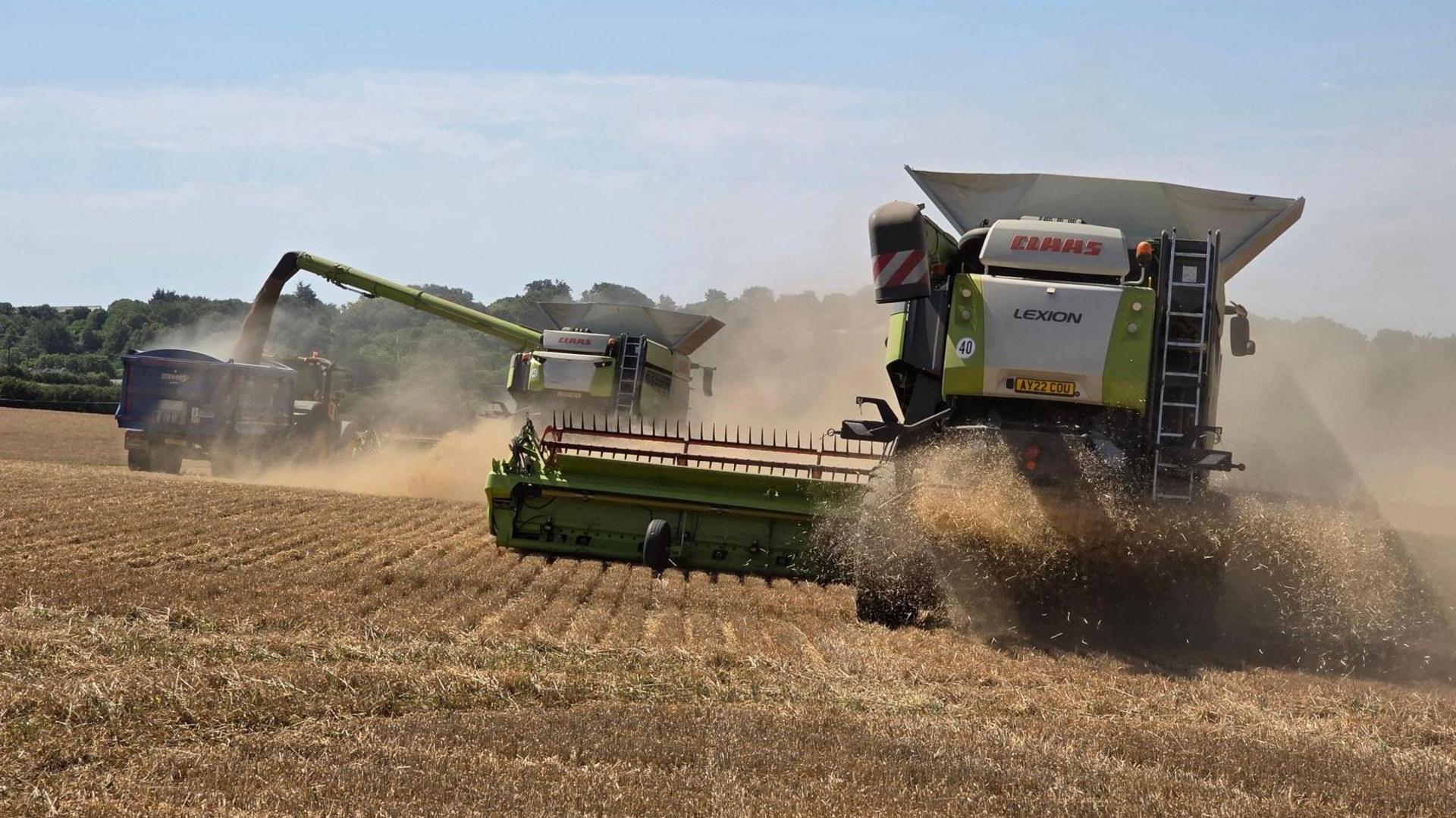
The heat’s influence has permeated numerous aspects of everyday existence, ranging from uncontrollable wildfires and transportation disruptions to rising fatalities connected to excessive warmth. For countless individuals, the impending temperature reduction offers welcome relief.
Regional Variations and Outlook
While certain locations within south-east England might still achieve heatwave threshold measurements of 27 or 28°C on Saturday, numerous other regions will experience reductions of 10 to 13 degrees Celsius compared to Thursday’s levels. Outside the south-eastern zone, most of the country should anticipate maximum temperatures ranging from 16 to 24°C. Although these figures represent typical mid-August averages, they may feel distinctly cooler given the extraordinary warmth many areas have endured throughout this summer season.
Dry conditions with intermittent sunshine will dominate most territories, though north-west Scotland and East Anglia should anticipate occasional rain showers. Extended forecasts indicate this cooler, more variable weather pattern will persist through the remainder of August. Additionally, some projections suggest larger rain-carrying low-pressure systems may approach closer to British shores, further supporting temperatures near seasonal averages.
While brief warmer intervals remain possible, particularly across southern regions, additional heatwaves appear unlikely before month’s end. Although meteorological summer officially concludes at August’s termination, the UK frequently encounters heat episodes during September. The National Health Service has emphasized the necessity of preparing for heatwave scenarios with the same diligence applied to winter weather planning, according to the health secretary.
Most forecasts show that the cooler and more changeable spell of weather is set to continue for the rest of the month.
Readers can track ongoing weather developments through the monthly outlook feature. Experts continue to examine how climate change intensifies heatwaves, droughts, wildfires, and flooding events, while wildlife populations face mounting challenges during extreme temperature periods. The Met Office confirms that summer 2026 is positioned to potentially become the hottest on record for the United Kingdom.
Related Reading
Frequently Asked Questions
What is Weekend to bring significant drop in temperatures?
Weekend to bring significant drop in temperatures is the main topic of this guide. The article explains the context, practical details, and next steps readers should understand.
Why does Weekend to bring significant drop in temperatures matter?
Weekend to bring significant drop in temperatures matters because readers are looking for a useful answer, not just a short summary. Good content should match search intent and help them decide what to do next.