Morocco detains dozens of migrants trying to cross into Ceuta, reports say

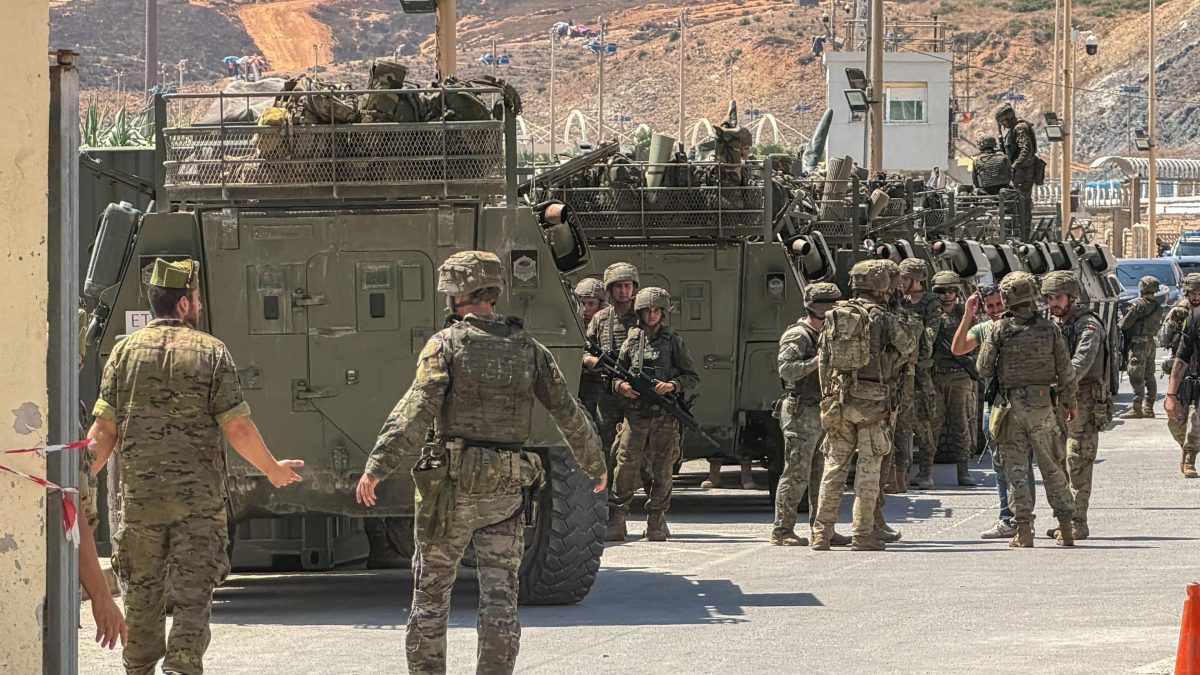
Table of Contents
Morocco Detains Dozens of Migrants in Ceuta Border Operation
Ninoda.com – Morocco detains dozens of migrants trying to cross into the Spanish enclave of Ceuta, according to multiple official reports. Moroccan security forces have apprehended numerous individuals attempting to enter the territory, with the operation specifically targeting people gathering near the border town of Fnideq. Authorities prevented over 100 people from advancing toward the main crossing point during this latest intervention.
Border Security Response
Security sources confirmed that 111 individuals were taken into custody in and around Fnideq, which is known as Castillejos in Spanish. Located approximately three kilometers from the boundary, the area saw the majority of detainees originate from sub-Saharan African nations. Moroccan police officers, several equipped with riot gear, deployed tear gas to scatter crowds that had assembled on surrounding hillsides. This coordinated effort demonstrates Morocco’s commitment to managing migration flows effectively.
The current operation follows a significant migration event two weeks prior, when approximately 78,000 people reached Ceuta by sea within a few hours. The city’s mayor reported that 100 lives were lost during that surge, while noting that most arrivals subsequently returned to Morocco. Morocco detains dozens of migrants as part of ongoing efforts to prevent similar large-scale crossings.
Heightened Measures and Social Media Monitoring
Authorities had intensified their presence in the region following the massive arrival and in response to social media activity suggesting another large-scale crossing attempt over the weekend. Morocco’s government announced earlier this week that it was tracking social media posts and messages of unclear origin that encouraged a mass movement on Saturday. Officials warned they would pursue legal action against both organizers and participants in unauthorized crossings.
The Spanish newspaper El País noted that security at the breakwater entrance had become ten times more robust compared to the previous day. Morocco contributed army personnel, naval speedboats, and aerial drones to border operations on Saturday. Meanwhile, Madrid sent more than 1,500 security officers to monitor the zone. Spain has also erected a metal fence and a floating barrier in the wake of last month’s influx.
Diplomatic Tensions and Regional Impact
Although the situation had stabilized since erupting in late July, the crisis has generated friction among European Union member states with open borders and drawn criticism toward the Spanish administration. Italy halted the 29-nation Schengen free movement agreement with Spain and implemented border inspections for travelers arriving from Spain. Finland and Denmark supported Italy’s position, while the Czech Republic advocated for Spain’s temporary suspension from Schengen.
Spain responded with frustration, with Prime Minister Pedro Sánchez emphasizing that Ceuta falls outside the Schengen zone. Consequently, the migrants had not entered the Spanish mainland and retained the right to travel to other European nations. Spain requested that Italy withdraw its border restrictions, and when Rome declined, Madrid introduced its own controls, citing concerns about another wave of arrivals on August 15.
We’re not waging any kind of ‘battle’ against Spain; we’re simply carefully controlling arrivals, Italy’s Foreign Minister Antonio Tajani stated on Saturday. Instead of worrying about us, Spain should worry about Morocco: that’s where the problems are coming from, certainly not from our controls.
Tajani explained that his nation feared a “risk of a new wave of arrivals in Ceuta.” The diplomatic dispute has been further complicated by Instagram accounts providing paid guidance to migrants seeking to cross, while Spain’s prime minister has attributed responsibility to human traffickers following reports that 60,000 migrants reached Ceuta from Morocco. Morocco detains dozens of migrants as part of broader regional cooperation efforts.
Frequently Asked Questions
How many migrants were detained in the latest operation? Moroccan authorities detained 111 individuals in and around Fnideq during the recent border operation.
What is the connection between this event and the previous migration surge? The current detentions follow a massive arrival of approximately 78,000 people who reached Ceuta by sea within hours two weeks earlier.
Why has Italy restricted movement with Spain? Italy halted the Schengen free movement agreement with Spain due to concerns about a potential new wave of arrivals in Ceuta.
What measures has Morocco implemented to prevent crossings? Morocco has deployed army personnel, naval speedboats, aerial drones, and police officers with riot gear, while also monitoring social media activity.
Is Ceuta part of the Schengen zone? No, Ceuta falls outside the Schengen zone, which means migrants there retain the right to travel to other European nations.