
Why don’t men talk about using weight-loss drugs?

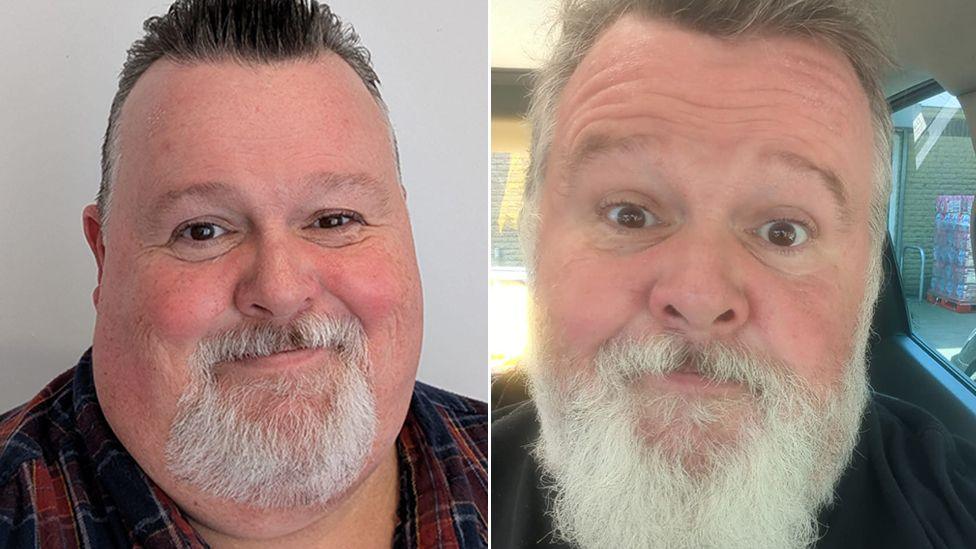
Table of Contents
The Quiet Epidemic: Why Men Stay Silent About Weight-Loss Injections
Ninoda.com – Steffen Peddie has carried extra weight his entire life. As a boy he was, in his own words, “well nourished,” and when he drifted into wrestling, acting, and comedy in his twenties, his bulk became a feature of his persona. But by 53, with the scale reading past 35 stone (222 kg), humour gave way to genuine health complications. His family’s worry became impossible to ignore, and at what he describes as “circus attraction” level, exercise had grown nearly impossible. A decision was unavoidable.
Peddie had already shed five stone (32 kg) through dieting alone before he began taking Wegovy. Yet even after that initial loss, he confesses he spent the first two months of treatment reluctant to tell a single person. “I felt weak for needing it,” he recalls. The shame, he says, arrived in a wave — compounded by the knowledge that his wife Becky, four children, and aging parents all depended on him staying alive.
“Being as big as I was posed a greater risk, in her mind.” — Becky Peddie, on why she pushed her husband toward treatment
A Million-Strong Silence
A recent estimate puts the number of adults in England, Wales, and Scotland using weight-loss drugs during 2024–25 at 1.6 million, the majority purchasing privately. The North East of England carries the highest adult obesity rates in the country. Despite that scale of use, experts note a conspicuous gap: men on these drugs rarely discuss them — not with their GP, not publicly, not even with close friends. Official data on the gender split remains thin, but the pattern is visible in anecdote.
Peddie, who played “Big Keith” in BBC Two’s sitcom Hebburn, wanted to understand the silence firsthand. He posted on Facebook asking men to share their experiences. Roughly twenty replied in public comments; more than seventy sent private messages. The overwhelming majority reported positive outcomes. Many had sourced their injections through private pharmacies after conversations with friends or relatives, yet had told very few people they were doing so.
Barry’s Story: From 25 Stone to a New Normal
One respondent agreed to meet Peddie in a pub — both sipping diet cola. Barry, from Chester-le-Street, works a sedentary role for a bus company. Last year, at age 50, he hit 25 stone.
“At one point I was on the verge of 50-inch-waist pants. It was getting harder and harder to find clothes.”
He had exercised heavily in his youth but could no longer sustain that routine. Past diets, he explains, delivered the first stone of loss and then stalled. That history made him hesitant to announce any new attempt. The turning point came on a night out with workmates. One colleague told him, “don’t take this the wrong way, Barry, but you’ve become a massive unit.” Another then revealed he was already on Mounjaro.
“I bought my first month’s worth — lost a stone. Same again next month.”
Barry has since dropped from 25 stone (158 kg) to 19 stone 5 lb (122 kg). He calls the cost steep but says the benefits are “worth every penny.” Initially reluctant to mention the injections, he eventually brought them up at work and discovered that “half the office are on it.”
Side Effects, Shame, and the Women Who Broke the Silence
Several men who responded to Peddie’s post described being deterred by accounts of side effects — burping, nausea, digestive upset. Yet many changed their minds after watching the women in their lives take the injections and see visible results. One man reported feeling tired and slightly queasy “almost like nerves” during his first weeks, but judged the discomfort acceptable given the outcomes.
The pattern Peddie identifies is consistent: men overshare about career, comedy, and lifestyle, yet treat a weight-loss injection as something to be endured quietly. Women, by contrast, discuss dosages, side effects, and maintenance openly. Until that cultural shift reaches men, the silence will persist — one diet-cola conversation at a time.
Related Reading
Frequently Asked Questions
What is Why don t men talk about?
Why don t men talk about is the main topic of this guide. The article explains the context, practical details, and next steps readers should understand.
Why does Why don t men talk about matter?
Why don t men talk about matters because readers are looking for a useful answer, not just a short summary. Good content should match search intent and help them decide what to do next.