US conducts strikes on Iran after attack on cargo ship

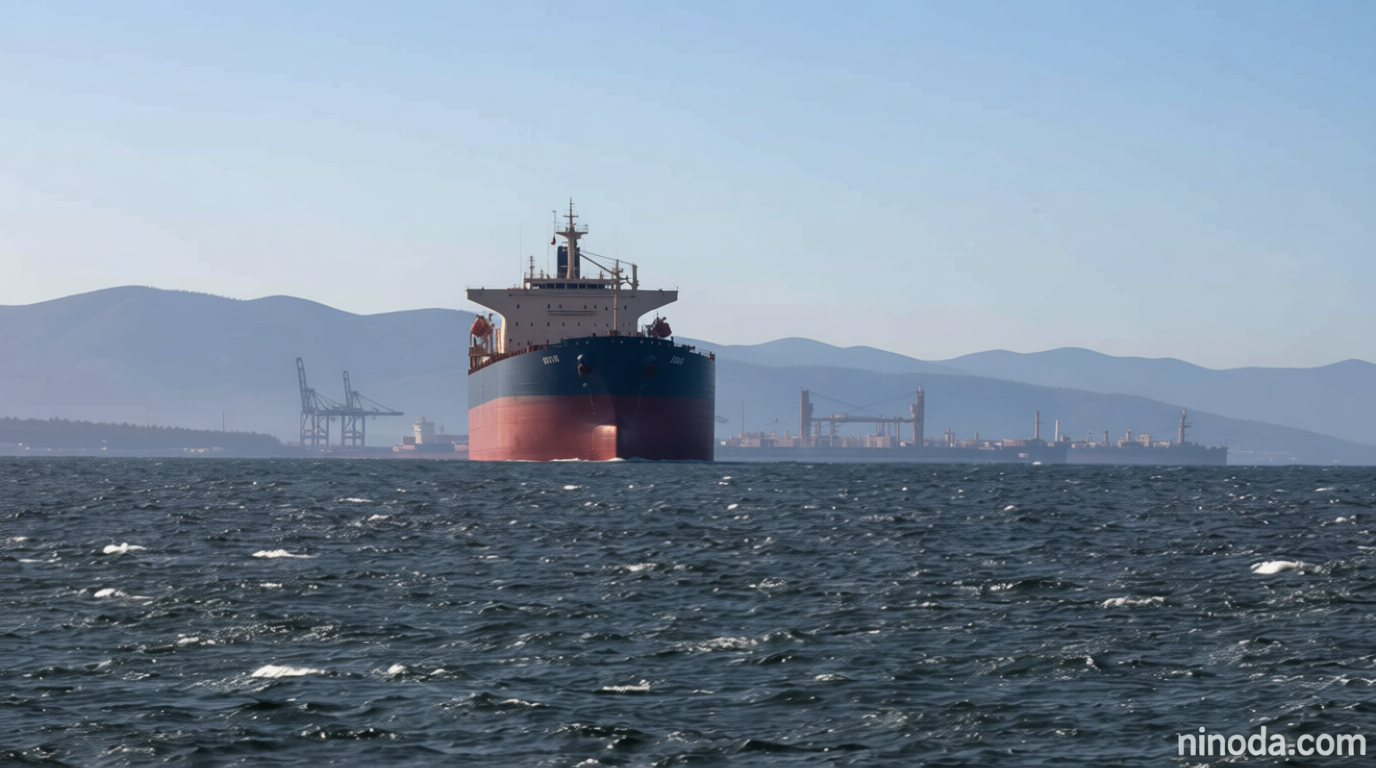
US Conducts Strikes on Iran Following Drone Attack on Cargo Ship
Ninoda.com – The United States conducted a series of targeted military strikes on Iranian missile and drone facilities in response to a recent drone attack on a commercial cargo ship in the Strait of Hormuz. This action, carried out on Friday, marks a significant escalation in the ongoing tensions between the two nations. The focus keyword US conducts strikes on Iran was used as part of the initial response, highlighting the strategic nature of the operation. The strikes were aimed at disrupting Iran’s ability to launch future attacks and served as a clear signal of US resolve in defending its interests in the region.
The Incident in the Strait of Hormuz
The drone attack occurred on Thursday, targeting a cargo vessel that had reportedly taken an unauthorized route through the Strait of Hormuz. This critical waterway, known for its strategic importance in global oil transportation, saw the attack disrupt a planned evacuation of sailors from the ship. The US Central Command described the strikes as a “powerful response,” emphasizing that the actions were necessary to deter further aggression. Iran’s claim that the ship was targeted for its route underscores the dispute over control and navigation rights in the region.
The incident has raised concerns about the security of commercial shipping in the Gulf, with analysts warning that such attacks could destabilize international trade. The cargo ship, which was reportedly struck by an Iranian drone, was carrying essential goods, including fertiliser, which are crucial for global markets. The attack not only halted evacuation efforts but also intensified fears of a broader conflict. The US conducts strikes on Iran as a result of this event has been seen as a direct retaliation to Iran’s actions, reinforcing the idea that the US is prepared to take decisive measures.
Context of the Ceasefire Agreement
The current tensions follow a 14-point ceasefire agreement signed in June, which was intended to ease hostilities between the US and Iran. Under the terms of the agreement, Iran committed to allowing “toll-free safe passage” for commercial vessels in the Strait of Hormuz for 60 days. However, the recent attack on the cargo ship has reignited disputes over the implementation of this agreement. Iranian officials, including parliament member Ebrahim Azizi, criticized the US strikes as a “reckless violation,” arguing that the actions undermine the progress made in negotiations.
The breakdown of the ceasefire has sparked renewed debates about the effectiveness of diplomatic efforts. While the US and Iran had previously agreed to reduce military activities in the region, the February attacks led to a temporary closure of the Strait of Hormuz, causing a surge in oil prices and disrupting supply chains. The US conducts strikes on Iran this week is part of a larger pattern of actions that have tested the stability of the ceasefire and highlighted the fragility of the peace agreement.
International reactions to the strikes have been mixed, with some allies supporting the US response as a necessary measure to protect trade routes. Others, however, have called for caution, warning that further escalation could draw more nations into the conflict. The situation also raises questions about the role of Iran’s Islamic Revolutionary Guard Corps (IRGC) in orchestrating the attack. The IRGC accused the US of launching the strikes under false pretenses, claiming that its navy had retaliated by targeting US military positions in the region.
Reactions from US and Iranian Officials
President Donald Trump, speaking at the White House, expressed frustration over Iran’s “foolish violation” of the ceasefire. He stated, “You’ll find out,” when asked whether the agreement was still in effect, indicating uncertainty about the future of diplomatic relations. Meanwhile, Vice-President JD Vance emphasized that Iran could “pick up the phone” if it wished to resolve disputes, suggesting that the US is open to dialogue but unwilling to tolerate continued aggression.
The Iranian government has called for a proportional response, with the IRGC asserting that its actions were a justified retaliation. In a statement, the IRGC warned, “If the aggression is repeated, our response will be more extensive than this,” signaling its readiness to escalate hostilities if necessary. These contrasting statements highlight the growing divide between the two nations and the potential for a cycle of retaliation that could further strain their relationship.
The US conducts strikes on Iran in this instance not only serves as a tactical move to protect maritime routes but also reinforces the US’s commitment to maintaining a strong presence in the region. As the situation evolves, the strategic significance of the Strait of Hormuz and the role of military action in preventing Iranian aggression will remain central to the discourse. The incident underscores the delicate balance between diplomacy and defense, with both sides vying for the upper hand in a rapidly escalating standoff.