Trump vows tougher economic measures on Iran and supporting countries

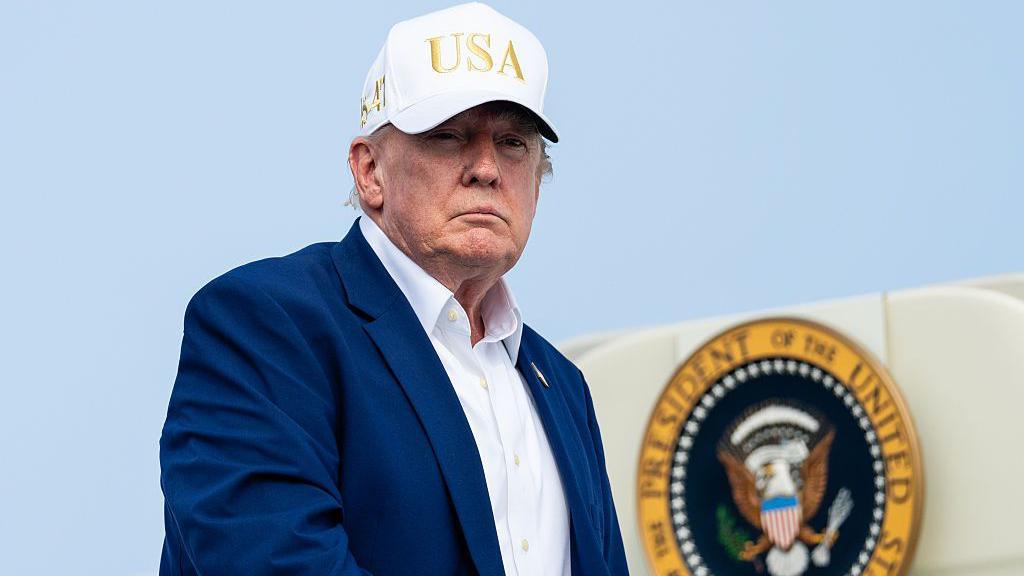
Table of Contents
Trump Declares “Economic D-Day” Against Iran and Its Allies
Ninoda.com – The 60-day ceasefire between the United States, Israel, and Iran formally lapsed on Monday with no diplomatic resolution in sight. The conflict, which erupted at the close of February, has now entered a new phase of economic warfare as President Donald Trump announced sweeping financial penalties targeting Tehran and every nation that maintains commercial or financial links with it.
In a Wednesday evening post written entirely in capital letters on Truth Social, the president declared he was initiating “the most crushing economic operation ever taken against any country.” He offered no specifics about which nations would be targeted beyond Iran itself, nor did he outline the precise penalties involved.
“ANY country that allows its financial institutions, businesses, airports, or government entities to provide any type of lifeline to Iran will itself face TREMENDOUS Economic Consequences.”
Trump framed the move as retaliation for Iran’s failure to reach a negotiated settlement with Washington, branding the initiative “economic D-Day.” He then issued a pointed warning to unnamed trading partners:
“Oil smuggling, swap lines, cash transfers, exchange houses, ship registries, front companies – it all needs to stop NOW. You know who you are.”
A Broader Campaign of Pressure
The announcement extends a strategy of financial strangulation that began in April, when Washington imposed a wave of sanctions on foreign banks and corporations conducting business with Tehran. That escalation followed the clear realization that military strikes had neither toppled the Iranian regime nor compelled its surrender — outcomes Trump had initially anticipated.
The April initiative, dubbed Operation Economic Fury and jointly announced by the Treasury Department and the Pentagon, sought to degrade Tehran’s capacity to wage war by severing its revenue channels. It also incorporated a naval blockade designed to halt Iranian exports. Treasury Secretary Scott Bessent told reporters last week that the United States would soon impose a degree of economic isolation on Iran “like the world has never seen before.”
Regional and Global Reactions
The declaration landed just one day after the United Arab Emirates — a close American ally — announced it would cut all financial and economic connections with Iran. The UAE move followed a fresh missile threat: its defence ministry reported detecting two ballistic missiles fired from Iranian territory toward maritime traffic, both of which splashed into the sea. Iranian actors have long exploited Dubai’s financial infrastructure to move funds through exchange houses and shell companies.
In response to the UAE’s decision, Iran’s armed forces cautioned neighbouring Gulf states against offering any form of support to US military operations, declaring that such assistance would be treated as collusion. Trump has also reportedly threatened to bomb Oman — another American ally — should it “get in the way” of his administration’s separate negotiations with Tehran.
China, though unnamed in the Truth Social post, stands as the largest purchaser of Iranian crude oil and a critical source of Tehran’s wartime funding. Since the war began, Washington has sanctioned several so-called teapot refineries — privately owned oil-processing plants concentrated in Shandong province in eastern China. Beijing’s Ministry of Commerce responded by declaring the measures “in violation of international law and the basic norms governing international relations” and ordered that they “shall not be recognised, enforced or complied with.”
Iranian Foreign Minister Abbas Araghchi dismissed the latest post as “a diversion” from domestic American economic difficulties.
“Doubling down on failed policies will only bring further defeat – and enmity of Iranians.”
Energy Markets and Election Pressure
Since the war’s onset, Iran has managed to choke off marine traffic transiting the Strait of Hormuz, sending global energy prices upward. Roughly 20% of the world’s crude oil and liquefied natural gas normally passes through that waterway. Both Washington and Muscat have been conducting separate talks with Tehran aimed at reopening the strait.
With US midterm elections approaching in November, Trump faces mounting scrutiny over the war’s cost to American consumers. The BBC reached out to the Chinese embassy in Washington, the White House, and the US Treasury Department for comment ahead of publication.
Related Reading
Frequently Asked Questions
What is Trump vows tougher economic measures on Iran?
Trump vows tougher economic measures on Iran is the main topic of this guide. The article explains the context, practical details, and next steps readers should understand.
Why does Trump vows tougher economic measures on Iran matter?
Trump vows tougher economic measures on Iran matters because readers are looking for a useful answer, not just a short summary. Good content should match search intent and help them decide what to do next.