Watch: BBC sees Israeli military presence in southern Lebanon

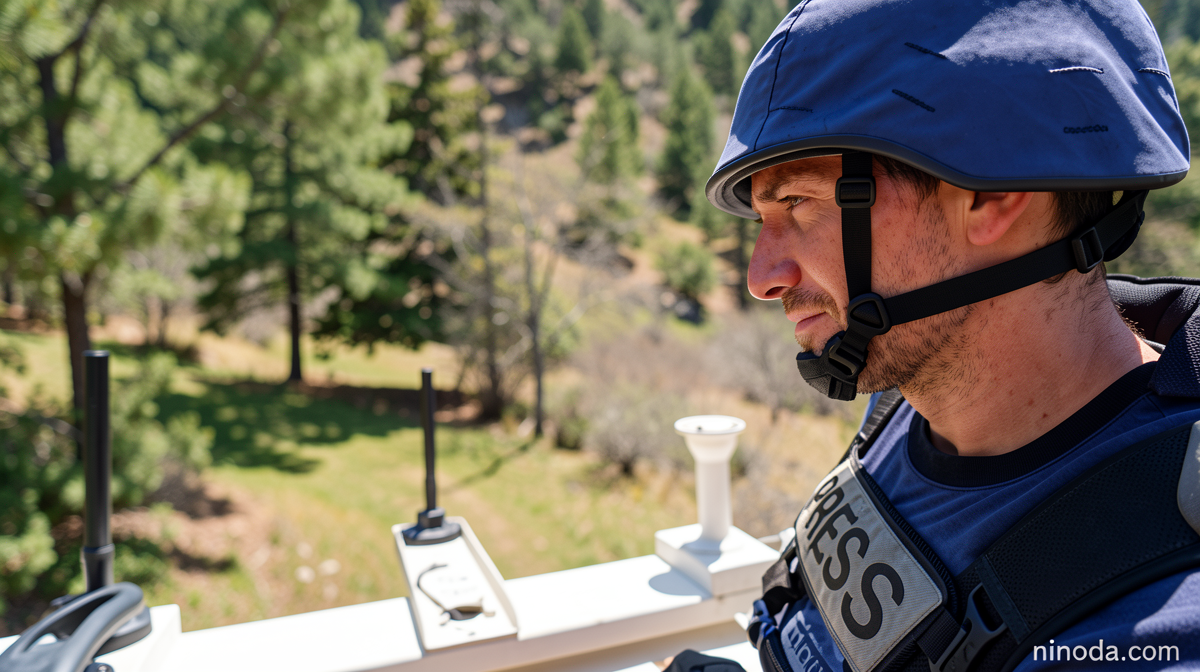
Table of Contents
Inside Southern Lebanon’s Occupied Strip: What a UNIFIL Escort Revealed
Ninoda.com – Traveling through southern Lebanon’s contested border zone in August required more than a passport and a vehicle. A BBC reporting team embedded itself with a humanitarian convoy operated by the United Nations Interim Force in Lebanon (UNIFIL), the peacekeeping body stationed along the country’s southern frontier. For journalists and civilians alike, riding alongside UNIFIL patrols remains one of the few viable routes into territory where Israeli forces have maintained a physical presence since the summer of 2024. Without that escort, independent access to the strip is effectively closed.
The Landscape After the Ceasefire
What the team witnessed on the ground echoed scenes documented months earlier in Gaza: entire villages reduced to rubble, roads severed by collapsed structures, and neighborhoods where the built environment had been erased. Despite a formal ceasefire agreement reached in June between Israel and the Lebanese armed group Hezbollah, aerial bombardments and controlled demolitions did not simply stop. Strikes continued in pockets of the occupied zone, and demolition crews kept working through the weeks following the truce announcement.
The visual record from the August visit underscores a pattern that has drawn sharp criticism from diplomats and local authorities. Buildings that housed families, small businesses, and community infrastructure were leveled, leaving residents displaced within their own country. The scale of destruction in a single border region raises questions about proportionality and about what the post-conflict reconstruction timeline will look like for thousands of displaced Lebanese families.
Israel’s Stated Rationale
The Israeli government has framed its continued military footprint in southern Lebanon as a deliberate, long-term arrangement rather than a temporary deployment. Officials describe the objective as establishing what they term a “security zone” — a buffer designed to shield northern Israeli communities from rocket fire and cross-border raids attributed to Hezbollah. In that framing, structures demolished during operations were not civilian assets but facilities the armed group had repurposed for military storage, command functions, or launch positions.
“The buildings it has destroyed were used by Hezbollah for military purposes,” Israeli officials have stated, positioning the demolitions as targeted countermeasure rather than collateral damage.
That explanation, however, has not satisfied Western partners or Lebanese government representatives. Both groups have conveyed to the BBC their assessment that the Israeli military is not merely patrolling a temporary buffer but is entrenching itself — constructing permanent installations, maintaining garrison rotations, and asserting administrative control over the occupied strip in ways that go well beyond what a short-term security operation would require.
How the Visit Was Authorized
The August reporting trip did not occur through open borders or unilateral permission. It was facilitated by what is known as a deconfliction mechanism — a coordination protocol between the Israeli military and the United Nations that allows UNIFIL convoys, carrying embedded journalists or humanitarian personnel, to move through or alongside occupied sectors without triggering an incident. Under this arrangement, the Israeli side grants passage to the UN convoy while retaining operational control of the surrounding area. The mechanism exists to reduce the risk of accidental engagement between peacekeeping vehicles and military units operating in close proximity.
For readers unfamiliar with the architecture of UN peacekeeping access, the deconfliction channel is significant: it means that independent observation of the zone is possible, but only within parameters set by the occupying force. The window through which outside eyes can enter is narrow, time-limited, and subject to revocation.
Why the Strip Matters Beyond the Border
Southern Lebanon’s frontier with Israel has been a flashpoint since the 1982 Israeli invasion and the subsequent decades of intermittent conflict. The 2024 war between Israel and Hezbollah — which lasted roughly a month of intense fighting before the June ceasefire — was the most destructive confrontation in the region since the 2006 Lebanon War. Hezbollah, backed by Iran and embedded in Lebanese political life, has long maintained a network of tunnels, depots, and firing positions in the southern villages. Israel’s stated aim of preventing a repeat of rocket barrages into its northern towns is understandable to many residents of Haifa, Kiryat Shmona, and surrounding communities who endured weeks of daily bombardment.
Yet the question now facing Lebanese politics, UNIFIL’s mandate, and Western diplomatic engagement is whether a “security zone” that persists indefinitely, that reshapes the built environment of an occupied population, and that operates outside the full framework of the 2006 UN Security Council Resolution 1701 — which called for a complete Israeli withdrawal to the internationally recognized border — can be reconciled with Lebanon’s sovereignty. Lebanese officials have pressed for a clear timetable of withdrawal. Western capitals have urged restraint while continuing to supply both sides with diplomatic cover.
What Comes Next
The August visit, permitted through the UN deconfliction channel, offered a rare external look at conditions that most Lebanese residents of the affected villages cannot themselves re-enter. As the ceasefire holds — or frays — the central tension remains: Israel’s insistence on a durable buffer against Hezbollah, and Lebanon’s insistence that its southern territory cannot be administered by a foreign military indefinitely. Until those positions converge, the occupied strip will continue to exist as a gray zone where strikes resume without declaration, where demolition follows occupation, and where the only reliable witness is the blue-helmeted convoy that still rolls through the rubble.
Related Reading
Frequently Asked Questions
What is Watch: BBC sees Israeli military presence in southern Lebanon?
Watch: BBC sees Israeli military presence in southern Lebanon is the main topic of this guide. The article explains the context, practical details, and next steps readers should understand.
Why does Watch: BBC sees Israeli military presence in southern Lebanon matter?
Watch: BBC sees Israeli military presence in southern Lebanon matters because readers are looking for a useful answer, not just a short summary. Good content should match search intent and help them decide what to do next.