Cup noodles made with cold water? BBC tries Japan’s viral snack

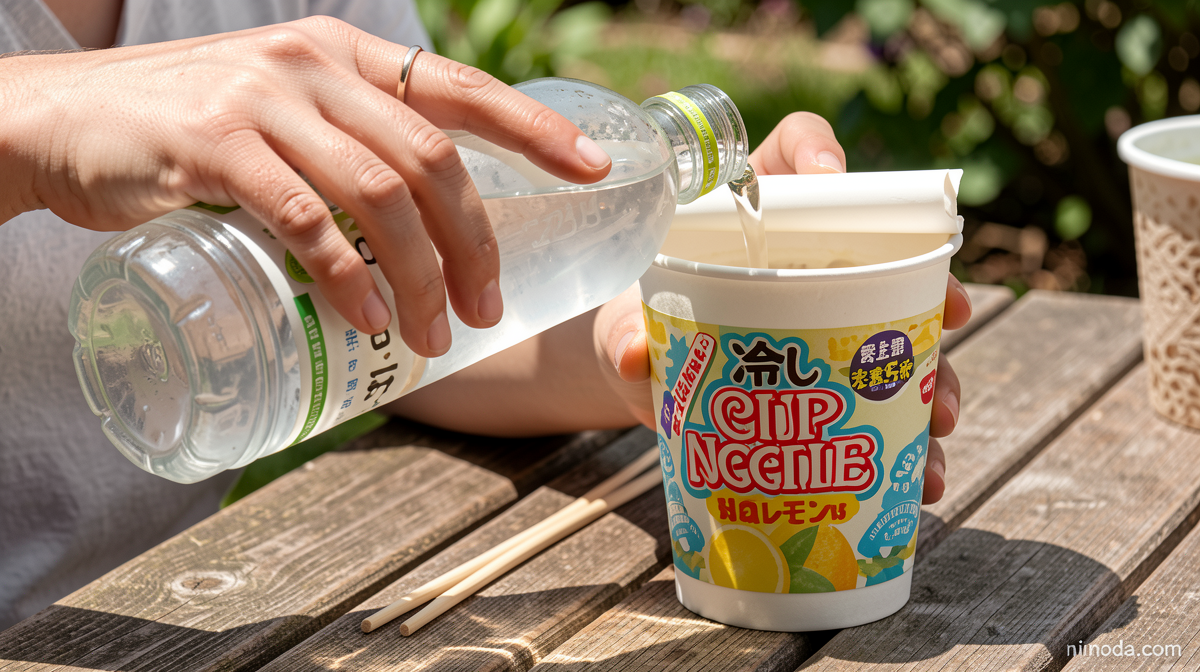
Table of Contents
Ninoda.com – Cup noodles made with cold water sound like a recipe mistake, yet Japan’s latest viral food trend has turned the concept into a full-blown summer phenomenon. The BBC’s Tokyo correspondent Kurumi Mori recently put the product to the test after it swept social media and vanished from shelves across the country. Designed as a cooling instant-noodle snack for hot months, the item has sold out repeatedly since going viral online, prompting widespread curiosity about whether the experience lives up to the hype or collapses under its own simplicity.
How a Cold-Water Cup Noodle Became a National Obsession
The product in question is a variation on the familiar instant cup noodle, but with one critical twist: it is prepared with cold water rather than boiling. In Japan, where instant noodles are a daily staple and summer heat can push urban temperatures past 35 degrees Celsius, the idea of a chilled noodle snack struck a deep cultural nerve. Short-form video clips showing people pouring ice-cold water into the cup and eating the result spread rapidly across platforms, and retailers reported stock disappearing within days of the trend taking off.
Kurumi Mori, reporting from Tokyo, noted that the buzz was not merely a novelty. For many Japanese consumers, the appeal lay in the sensory contrast: the familiar chew of a cup noodle paired with the shock of cold water and a broth that never reaches a simmer. The result is closer to a chilled ramen-style snack than to the steaming bowl most people associate with instant noodles, and that distinction is precisely what made the format so shareable.
“The question was simple: does cup noodles made with cold water actually taste good, or is it just a five-second internet moment?”
The Taste Test: Cooling Claims Versus Kitchen Reality
Mori’s on-camera evaluation focused on three factors: texture, flavour, and the promised cooling effect. The noodles, rehydrated in cold water, retain a firmer bite than their hot-water counterparts. The seasoning, formulated to dissolve without heat, delivers a lighter and more diluted flavour profile. As for the cooling sensation, the effect is real but short-lived; the snack cools the palate for a few minutes before the ambient temperature of the broth takes over and the experience normalises.
Whether the experience justifies the sold-out frenzy is subjective. Purists of hot instant noodles may find the cold version underwhelming, while those seeking a quick, low-effort summer snack may welcome the novelty. The BBC’s verdict, delivered with characteristic restraint, suggested that the product is best understood as a seasonal curiosity rather than a permanent replacement for the traditional hot cup. Mori concluded that the trend’s lasting value lies less in the eating experience itself and more in the communal, shareable ritual of trying something slightly absurd on a sweltering afternoon.
Frequently Asked Questions
Can I make cup noodles made with cold water at home? Yes. Any standard instant cup noodle can be prepared with cold or room-temperature water. The noodles will take noticeably longer to soften, and the seasoning may not dissolve fully, so stir vigorously and allow extra soaking time. The result will differ from the purpose-built Japanese product, which uses a seasoning packet specifically formulated for cold-water dissolution and a noodle cut that rehydrates more evenly without heat.
Why did the trend sell out so quickly? The combination of a simple, visually striking preparation method and the novelty of eating a “cold” noodle made the product highly shareable on short-form video platforms. Once the clips circulated, demand outpaced production capacity, and Japanese retailers reported repeated stock-outs through the summer months. Manufacturers struggled to scale output fast enough to meet the spike, extending the scarcity that further fuelled online interest.
Is the cold-water version healthier than hot cup noodles? No definitive nutritional advantage has been established. Because no heat is applied, some heat-sensitive compounds in the seasoning packet may remain intact, but the overall macronutrient profile—carbohydrate, sodium, and fat—remains essentially the same as a hot-prepared cup noodle. The product should be treated as a flavour and texture variation, not a dietary upgrade.