‘I’m telling the truth’: Earl Spencer defends Diana book claims about Charles in BBC interview

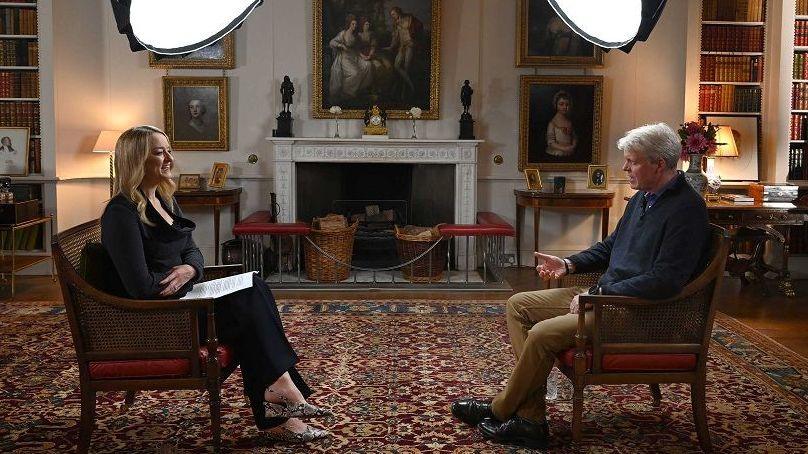
Table of Contents
Earl Spencer stands by account of call with King Charles after Diana’s death
Ninoda.com – Earl Spencer has firmly defended his recollection of a telephone conversation with King Charles in the days following the death of Diana, Princess of Wales, saying the words described in his forthcoming book are accurate.
In Swan Song: Diana, My Sister, Diana’s younger brother writes that the then-Prince of Wales told him, “we’ll forget her soon enough,” during a dispute over whether Prince William and Prince Harry should take part in their mother’s funeral procession. The claim has prompted a rare and sharply phrased response from Buckingham Palace.
The Palace said the King recognised that the pain of losing a sibling could influence judgement and memory in ways that might not be apparent to others, including many years later. Earl Spencer rejected that suggestion, maintaining that he remembers the exchange with exceptional clarity.
“I can tell you here and now, those are exactly the words he said.”
A dispute over the funeral procession
The disputed conversation concerned the public procession behind Diana’s coffin. William and Harry, then 15 and 12, walked behind it with their father, their uncle Earl Spencer, the Duke of Edinburgh and the Prince of Wales’s father. The image became one of the defining moments of the funeral on 6 September 1997.
Earl Spencer says he argued that Diana would not have wanted her sons, both still children, to walk in the procession. He recalls Charles becoming intensely angry, accusing the Spencer family of lacking a sufficient sense of duty.
He said the Prince of Wales “went ballistic” and continued in a rant before pausing. Earl Spencer said he initially believed that pause would lead to a more considerate response.
“And then he stopped and I thought, oh now, now he’s gonna pull himself together and say something more appropriate.”
Instead, Earl Spencer says, Charles made the remark at the centre of the disagreement.
“And then, he said, ‘we’ll forget her soon enough’.”
He described himself as stunned by the comment and said he ended the call after responding that he could not believe what had been said. Earl Spencer has said that he repeated the details to relatives and friends at the time because he found the words so shocking.
“I’m telling the truth”
Addressing the Palace’s response, Earl Spencer questioned whether the reaction reflected anger or embarrassment. He also said he had spoken with Prince Charles only twice by telephone during his life, making him especially attentive to the conversation in question.
“I was hyper alert to what he was saying and those are precisely the words that he said and I promise that to you now. Genuinely, that is what he said.”
Asked which version of events the public should accept, he offered an unambiguous answer.
“I’m telling the truth.”
Buckingham Palace did not issue a further response to Earl Spencer’s latest remarks. The exchange is likely to intensify attention on the lasting tension between Diana’s family and the Royal Family, almost three decades after her death.
Further claims in the new book
Swan Song: Diana, My Sister, due to be published next week, is expected to offer a critical account of the period surrounding Diana’s death. In other published passages, Earl Spencer describes receiving news of the crash in Paris on 31 August 1997 while at home in Cape Town, South Africa.
He writes that his sister Jane called him during the night to tell him about the crash. Charles was among the people who subsequently contacted him. Earl Spencer alleges that, unlike other callers who struggled to express their grief and condolences, Charles appeared unusually upbeat.
“Unlike my other callers, who were stunned, barely able to articulate their condolences and offers of help, he sounded giddily elated – like a lottery winner, I remember thinking at the time.”
Those claims add another difficult dimension to a period that remains deeply sensitive for Diana’s family, the King and her two sons. Diana was 36 when she died in the Paris car crash, and her death produced an extraordinary outpouring of public grief across the United Kingdom and beyond.
A moment that still carries emotional weight
The funeral took place amid widespread criticism that the Royal Family had initially appeared distant from the public mood. Diana’s popularity and the suddenness of her death created a volatile national atmosphere, while Earl Spencer’s emotional funeral address gave voice to many of the frustrations surrounding her treatment and legacy.
Her burial place is on the Spencer family’s Althorp estate in Northamptonshire, where Earl Spencer continues to live. The setting has remained central to the family’s remembrance of Diana and to the public’s continued interest in her life.
The decision for William and Harry to walk behind their mother’s coffin has also remained a subject of debate. Prince Harry later said that no child should be expected to do such a thing at the age of 12. Yet, in 2017, he said he did not know whether the choice had been right or wrong and added that, in retrospect, he was glad to have taken part in the day.
Earl Spencer’s new account revisits those painful decisions through the perspective of Diana’s brother. Its publication is likely to renew discussion not only about private conversations after her death, but also about the pressures placed on two grieving young princes during one of the most publicly mourned events in modern British history.
Related Reading
Frequently Asked Questions
What is I m telling the truth?
I m telling the truth is the main topic of this guide. The article explains the context, practical details, and next steps readers should understand.
Why does I m telling the truth matter?
I m telling the truth matters because readers are looking for a useful answer, not just a short summary. Good content should match search intent and help them decide what to do next.