Burnham to unveil public body to invest in electricity grid

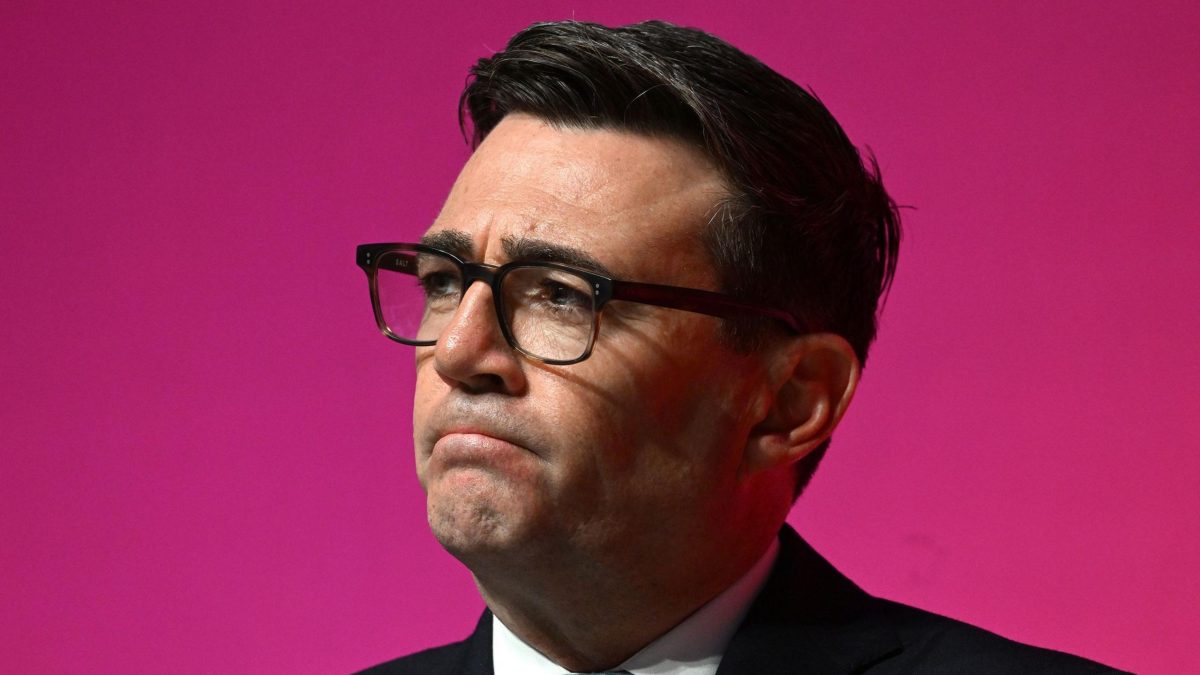
Table of Contents
New Public Grid Investor Expected to Be Announced
Ninoda.com – Andy Burnham is expected to set out plans for a publicly owned company designed to accelerate connections to Britain’s electricity network, placing energy infrastructure at the centre of his first party conference address as Labour leader.
Speaking to party members in Liverpool on Tuesday, the prime minister is expected to unveil Great British Grid, or GB Grid, as a new public body that would invest in transmission connection projects and compete alongside existing private network operators. The proposal is intended to tackle lengthy waits for businesses and energy developments seeking a route onto the electricity system.
The announcement is likely to form part of a wider ambition to bring UK energy bills closer to those faced by other European countries over the next decade. Burnham is expected to argue that a stronger public role can help address high costs that have put severe pressure on companies, while making it easier for projects to move from planning to operation.
“It will increase competition to drive down costs and speed up delivery so businesses can connect faster and grow quicker. This is what more public control can do.”
How Great British Grid Would Work
Detailed arrangements for the organisation have yet to be published. Labour has said GB Grid would invest in, and bid for, transmission connection work in competition with the three private companies that currently own and run the grid across Britain.
The body would also be intended to help businesses that are waiting for a connection and are willing to finance infrastructure themselves. In such cases, GB Grid could provide support and may co-invest alongside those firms. The aim is to remove financial and practical barriers that can leave projects held up even after investors are ready to proceed.
Funding is expected to come from the existing budget of GB Energy, Labour’s publicly owned green investment company. GB Energy was established last year and has its headquarters in Aberdeen, meaning the government says it will not need a separate new funding pot for the grid initiative.
For businesses, a quicker connection can be as important as access to finance or planning consent. New factories, data-intensive operations, housing developments and low-carbon energy schemes all depend on reliable network capacity. Where a project cannot secure a connection in time, investment and expansion can be delayed.
An Ageing System Under Growing Pressure
Britain’s transmission network was largely built around major fossil-fuel power stations, which tended to be located close to industrial centres and established demand. The shift towards renewable generation is changing that model. Offshore wind farms and other renewable projects are often situated far from the places where electricity is ultimately used.
That change requires substantial new cables, substations and other equipment to carry power across the country. The energy regulator Ofgem has estimated that the network needs £70bn of investment between 2025 and 2031. That would represent four times the present pace of spending.
Pressure on the system has also become more visible in the queue for grid connections. Earlier this month, the National Audit Office warned that the number of projects awaiting a connection had risen sharply, with delays becoming longer as well. The backlog matters not only for renewable energy but for any organisation whose plans depend on additional electricity capacity.
Burnham is expected to present GB Grid as an answer to what he calls a broken energy market, while stressing that the new body would work with private-sector participants and existing network companies rather than replace them outright.
Public Control and the Cost of Energy
The proposed company is expected to be described as the first major step in Burnham’s broader argument for greater public influence over essential utilities. He made that approach central to his summer pitch for power, and Tuesday’s speech is expected to link faster grid delivery with lower costs and improved economic growth.
Ministers face a difficult balance. The country needs major infrastructure investment to support the transition away from large fossil-fuel stations, but households and employers remain sensitive to energy costs. Supporters of the proposal will see a public investor as a way to increase competition and focus attention on projects that could otherwise wait in the queue. Its success, however, will depend on whether it can help deliver connections more rapidly in practice.
Burnham is expected to frame the speech around a promise of “bold and honest” leadership. He will say he wants to put forward policies that offer a serious prospectus for Britain and give people greater control over their lives.
“The patriot in me tells me something very different is needed.”
He is expected to contrast that message with the kind of more conventional, high-energy conference address he had initially considered delivering. The four-day gathering has been organised around the theme of hope, but it comes at a challenging moment for the government.
Budget Pressure and Social Care Plans
The conference takes place before a difficult Budget due at the end of next month. Recent increases in the cost of UK borrowing have reduced the prime minister’s room to make spending and tax decisions, while the government is preparing further details of its plans for free social care in England.
Burnham has said he intends to put those social care proposals before voters at the next general election, which must take place by August 2029 at the latest. The government then aims to begin introducing the new system from 2030.
Attention has also focused on the future cost of the state pension triple lock. Under the policy, pension payments rise each year by whichever is highest: 2.5%, inflation or average earnings growth. With the population ageing, the policy is expected to add billions of pounds to pension costs in the years ahead.
Downing Street has not confirmed whether a review is under consideration. Ministers have nonetheless maintained that Labour’s manifesto commitment to retain the triple lock throughout this parliament remains in force. On Monday, Chancellor John Healey declined to give a fresh guarantee on the promise.
Against that wider backdrop, the planned creation of GB Grid will be presented as a practical intervention in one of the country’s most pressing infrastructure challenges: ensuring that power can reach homes and businesses quickly enough, and at a cost that supports long-term growth.
Related Reading
Frequently Asked Questions
What is Burnham to unveil public body to invest?
Burnham to unveil public body to invest is the main topic of this guide. The article explains the context, practical details, and next steps readers should understand.
Why does Burnham to unveil public body to invest matter?
Burnham to unveil public body to invest matters because readers are looking for a useful answer, not just a short summary. Good content should match search intent and help them decide what to do next.