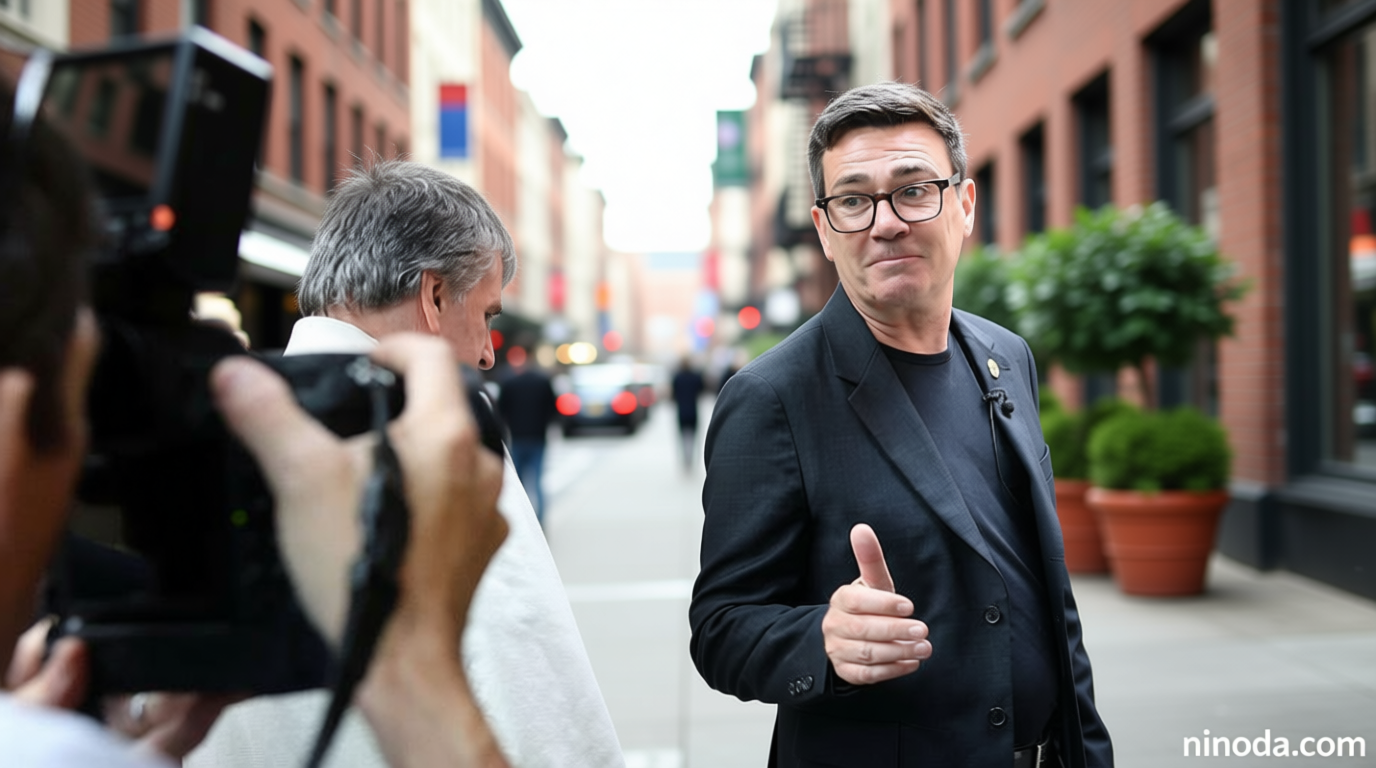
Green Party members back ‘Zionism is racism’ motion

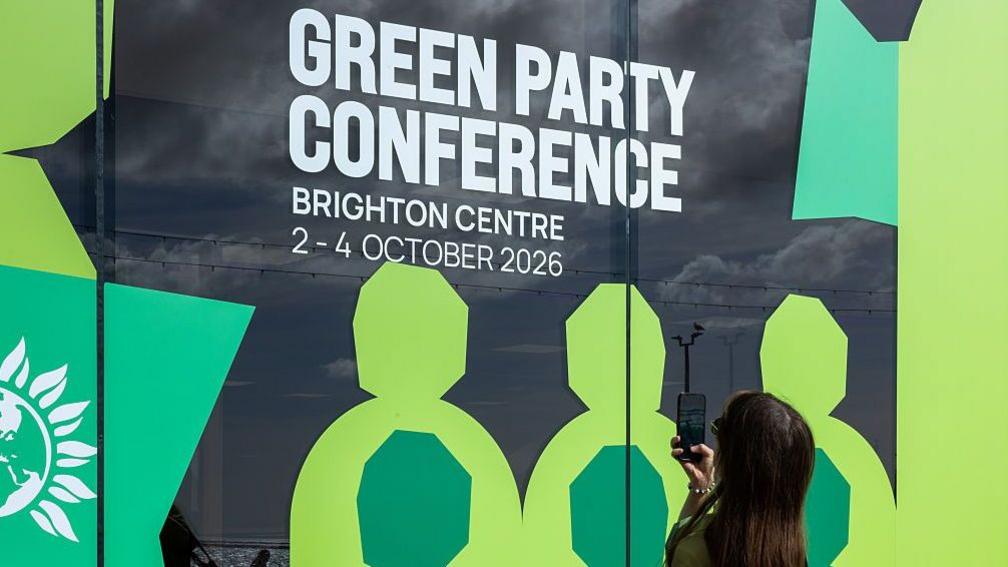
Table of Contents
Green Party vote on Zionism motion exposes divisions among senior figures
Ninoda.com – Green Party members have approved a conference motion describing Zionism as a form of racism, following a closely contested vote that revealed significant disagreement within the party’s leadership and parliamentary group.
Delegates at the party’s Brighton conference backed the proposal by 1,022 votes to 813. The motion characterises Zionism as support for an “ethnonationalist Jewish state” and commits the party to advocating for a single democratic Palestinian state across historic Palestine.
The decision came after members rejected amendments supported by party leader Zack Polanski. Those amendments would have removed the commitment to a single Palestinian state and added protections intended to ensure Jewish members could not face disciplinary action for attending synagogues that identify as Zionist.
What the motion says
The approved text links Zionism to the treatment of Palestinians, arguing that its real-world effects have included dehumanisation, displacement, loss of property and political rights, and destruction. It presents a single democratic state as the preferred future political arrangement, with equal rights for everyone living in the territory.
Mothin Ali, one of the party’s joint deputy leaders and a supporter of the motion, said the proposal did not mean that every Jewish person who calls themselves a Zionist should be labelled racist. He said the aim was to support a democratic state that protected the rights of all people living there.
“A state that’s democratic, that guarantees the rights of every single person living on that land.”
The language has nonetheless prompted concern among Jewish organisations and some prominent Greens. The Board of Deputies and the Jewish Leadership Council wrote to the party before the vote, arguing that Zionism emerged partly in response to antisemitism and the need for Jewish safety after long periods of persecution.
They also raised questions about how the policy could affect Jewish Green Party members and Jewish institutions in constituencies where the party has political representation.
Leader’s amendments rejected
Polanski said on Friday that, using the definition set out in the motion, he believed Zionism was racism. But he argued that the Green Party of England and Wales, and the UK government, should not prescribe the final political settlement for Israelis and Palestinians.
“I don’t believe we as a Green Party of England and Wales, or even the British government, should be deciding what the future settlement looks like.”
His proposed changes did not win support from conference members. Polanski also did not take part in the vote because he had left the event early to campaign in Holborn and St Pancras, where he is standing to become an MP.
After the result, a Green Party spokesperson said Jewish members would be protected and would not face persecution for attending synagogues that define themselves as Zionist.
Different views within the party
The debate has been a major feature of the three-day conference, which follows a membership increase after Polanski became leader last year. The party’s leading figures have not taken a unified position on the motion.
Rachel Millward, the other joint deputy leader, described its wording as “problematic”. Three of the Green Party’s five MPs — Ellie Chowns, Adrian Ramsay and Carla Denyer — had publicly opposed it before the vote. Denyer warned that its adoption could alienate a substantial number of Jewish people.
Chowns spoke against the motion during the debate, as did former party leader Caroline Lucas. Lucas said the term Zionism has no single agreed meaning and warned that the measure could become divisive, whatever the intentions of its supporters.
“I think there is no single definition of Zionism and, irrespective of the intentions of those who put that motion, I think there is a real risk that it will be divisive and could be seen as a sign that Jewish people aren’t welcome in the party.”
Vivien Lichtenstein, chair of Jewish Greens, said after the vote that she could consider whether to remain in the party.
Wider political implications
The vote places the Greens in a politically sensitive position as the war in Gaza and the future of Israel and Palestine remain central issues in British public debate. It also underlines the challenge facing the party as it seeks to broaden its electoral appeal while holding together members with sharply different interpretations of Zionism, antisemitism, Palestinian rights and the possible shape of a future settlement.
Polanski has not stated whether he personally supports the final version adopted by members. However, he joined the party’s five MPs and deputy leaders in signing a statement promising that the Greens would remain anti-racist in every respect.
“There is no conflict between supporting the rights of Palestinians and the rights of Jewish people.”
That statement reflects the central tension now facing the party: maintaining an unequivocal commitment to Palestinian rights while convincing Jewish members and voters that they remain welcome, protected and fully included in Green politics.
Related Reading
Frequently Asked Questions
What is Green Party members back Zionism is racism?
Green Party members back Zionism is racism is the main topic of this guide. The article explains the context, practical details, and next steps readers should understand.
Why does Green Party members back Zionism is racism matter?
Green Party members back Zionism is racism matters because readers are looking for a useful answer, not just a short summary. Good content should match search intent and help them decide what to do next.