
Burnham to hold security talks with German chancellor in Berlin

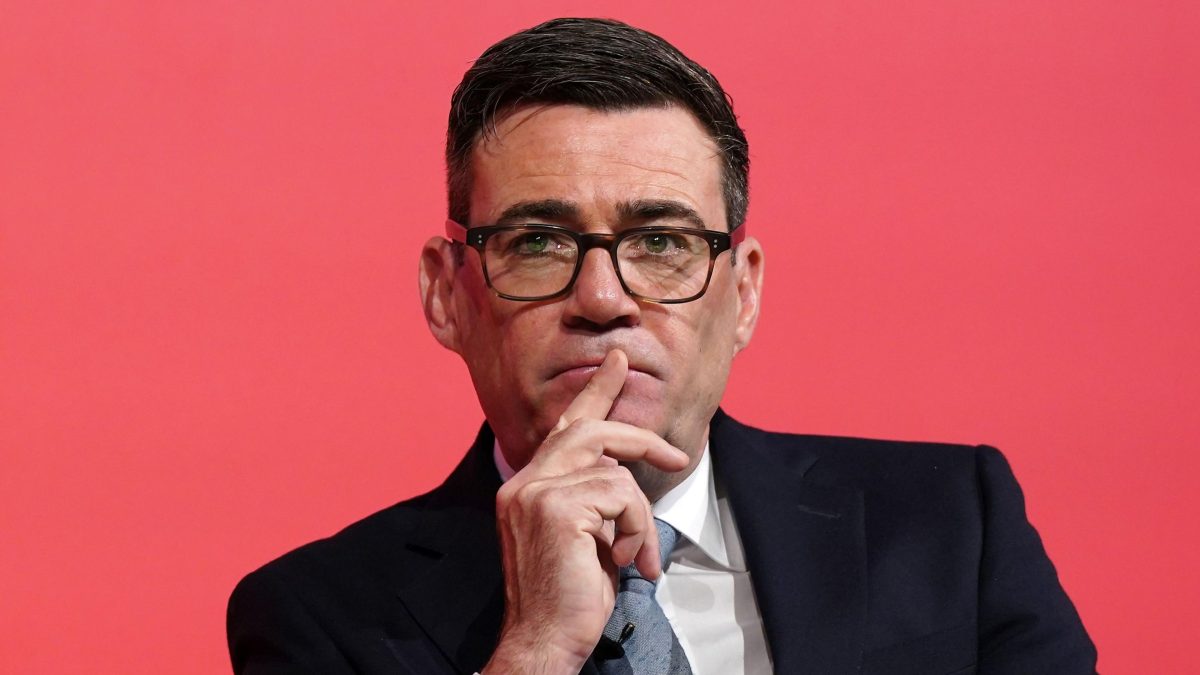
Table of Contents
Burnham and Merz to Focus on Security Threats in Berlin Meeting
Ninoda.com – Prime Minister Andy Burnham will travel to Berlin on Thursday for talks with German Chancellor Friedrich Merz, with cyber-security, sabotage and wider security risks expected to dominate their first in-person meeting.
The visit comes as both governments raise concerns about increasingly sophisticated forms of hostile activity across Europe. The discussions will centre on closer UK-German cooperation against threats that can target digital systems, transport networks, businesses and democratic institutions without taking the form of conventional military conflict.
Burnham is due to receive military honours at the Chancellery before meeting Merz. The two leaders will also formally ratify the 2025 Kensington Treaty, which sets out a partnership on science, technology, defence, security and economic growth.
Responding to hybrid threats
A key theme of the meeting will be the growing concern over hybrid attacks linked to Russia. The term covers a broad range of non-military activity intended to pressure or unsettle another country, including cyber attacks, sabotage, disinformation and interference with critical infrastructure.
Security agencies in Britain and Germany have warned that such risks are rising. Last month, Germany accused Russia of being behind an explosives-equipped drone incident at Leipzig/Halle Airport, a major international freight hub that is also used to support Ukraine. Moscow has rejected any involvement.
The British government summoned a senior Russian diplomat over what it described as an “egregious and reckless attack” connected to the Leipzig airport incident. The case has intensified concern about the vulnerability of infrastructure that is essential to trade, logistics and support for Ukraine.
Burnham said the two countries intended to strengthen their ability to identify and counter hostile action before it causes further disruption.
“The UK and Germany are joining forces to find, expose and disrupt threats.”
“Attacks on our infrastructure, our businesses and our democracies are not a distant threat. They reach into people’s homes and workplaces, and they are designed to make us weaker and more divided.”
The language reflects a wider European concern that security challenges are no longer confined to borders or battlefields. A successful cyber attack can interrupt services used by households and companies, while sabotage or coordinated misinformation can undermine public confidence and create political tension.
Kensington Treaty to deepen cooperation
The Kensington Treaty is intended to give Britain and Germany a more structured basis for joint action. Its areas of focus extend beyond defence, linking security cooperation with research, technology and growth.
That approach recognises that modern security depends partly on resilience in civilian systems. Protecting communications, supply chains, transport facilities and digital networks has become a central concern for governments facing a more unpredictable international environment.
Closer coordination may also help the two countries share expertise and respond more quickly where threats cross national boundaries. Cyber incidents, disinformation campaigns and attacks on infrastructure can involve several jurisdictions, making bilateral relationships especially important even outside formal military alliances.
European relationship remains in focus
The Berlin visit follows Burnham’s pledge at the Labour Party conference to present options later this year for a closer relationship between the UK and the European Union. Those options could include the longer-term possibility of Britain returning to the bloc.
Germany has indicated that any future referendum on EU membership would ultimately be a decision for the UK. Berlin has nevertheless expressed support for closer ties between Britain and the EU.
France has also urged Britain to pursue a fuller return. French finance minister Roland Lescure invited the UK to “come all the way” back into the European Union, underlining the interest in several European capitals in rebuilding a deeper partnership.
For Burnham, the security discussions in Berlin will therefore sit alongside a larger political question: how closely Britain should work with its European neighbours in the years ahead. Cooperation on defence, intelligence, technology and economic resilience may provide practical areas where relationships can develop regardless of any eventual decision on EU membership.
Political pressure on both leaders
The meeting takes place while both leaders face scrutiny at home. Burnham became prime minister in July after Sir Keir Starmer was removed by his own MPs, two years after Labour won a landslide general election victory.
Merz has also faced questions over his political position. Poor approval ratings and regional election setbacks have fuelled speculation that his party could seek a replacement. Although he appears to have moved beyond an immediate challenge to his leadership, uncertainty over his future remains.
There are separate concerns in Germany about intelligence reliability following the arrest of August Hanning, a former head of the Federal Intelligence Service, or BND. The German Federal Prosecutor’s Office has accused Hanning of espionage, treason and obtaining classified information for a foreign power.
Hanning led the BND between 1998 and 2005 and later worked as a private consultant. The allegations have prompted difficult questions at a time when intelligence-sharing and trust between European partners are under greater pressure.
Thursday’s talks will test whether the UK and Germany can turn shared concern into more durable cooperation. With both governments warning of threats to infrastructure, businesses and democratic life, the Berlin meeting is expected to signal that security collaboration is becoming an increasingly important part of the wider relationship between the two countries.
Related Reading
Frequently Asked Questions
What is Burnham to hold security talks?
Burnham to hold security talks is the main topic of this guide. The article explains the context, practical details, and next steps readers should understand.
Why does Burnham to hold security talks matter?
Burnham to hold security talks matters because readers are looking for a useful answer, not just a short summary. Good content should match search intent and help them decide what to do next.