Saudi minister vows ‘serious response’ to Houthi attacks on airports

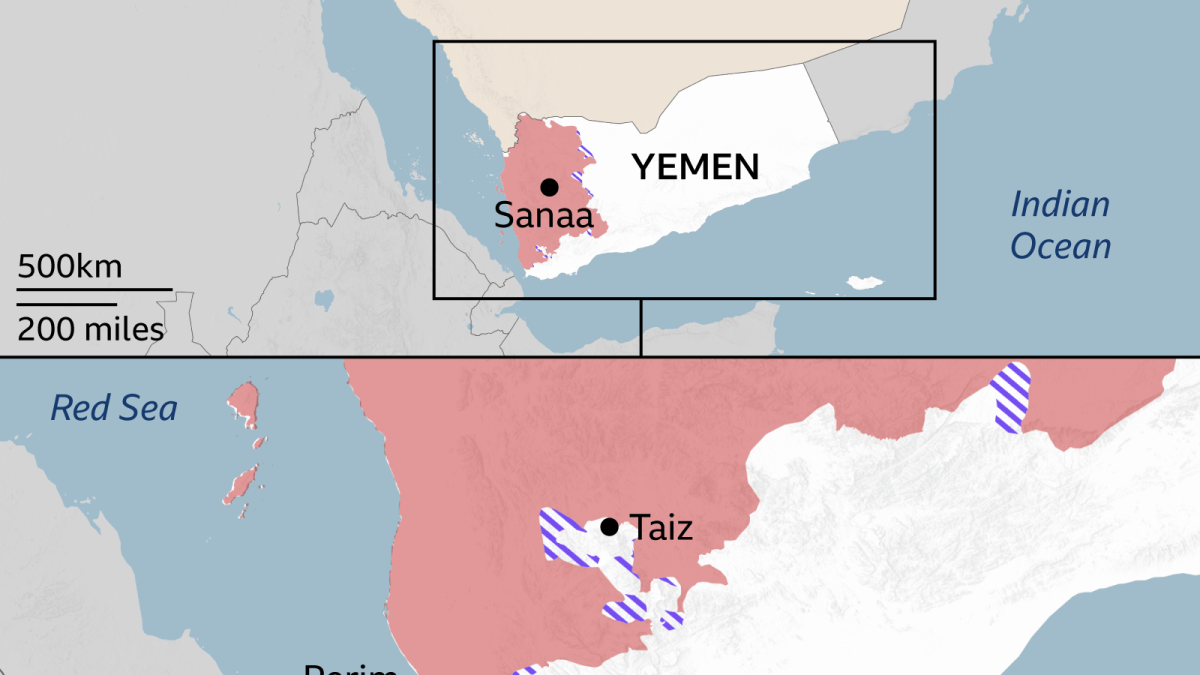
Table of Contents
Saudi Arabia Signals Firm Response After Deadly Airport Attacks
Ninoda.com – Saudi Arabia has promised a forceful response after a series of Houthi attacks struck airports and energy-related sites, killing civilians and raising fresh concerns about regional security.
Energy Minister Prince Abdul Aziz bin Salman described the recent violence as a serious test for the kingdom while speaking at the WPC Energy Congress in Riyadh. The gathering began close to King Khalid International Airport, which had been targeted four times within a week.
The events of recent weeks are serious. Our response must be equally serious.
The attacks have brought the Yemen conflict into sharper focus for Saudi residents, international travellers and the energy industry. Riyadh’s airport is a major gateway for the capital, while Saudi oil and gas infrastructure remains central to global energy markets.
Deaths at Riyadh airport
A projectile struck Terminal 4 at King Khalid International Airport on Sunday, killing a Pakistani resident. The incident followed a missile strike on Terminal 3 a day earlier that left 13 people dead and forced the terminal to close.
Those killed in Saturday’s attack included four Saudi nationals, two Bangladeshis, and one person each from the United States, Egypt, Jordan, Syria, Palestine, Sudan and India. The three Saudis killed in strikes last Thursday included a pilot employed by national carrier Saudia. Those earlier attacks hit an airport facility and an aircraft on the ground.
Video from inside Riyadh airport captured the moment Saturday’s strike landed, illustrating the disruption and danger faced by civilians using the airport.
King Fahd International Airport in Dammam, in north-eastern Saudi Arabia, was also targeted on Sunday evening. No casualties were recorded there. The Saudi-led coalition later said it had intercepted a drone in Eastern Province and stopped a missile directed at Khamis Mushait in the south-west of the country.
Houthis cite Saudi military campaign
Yemen’s Iran-backed Houthi movement said the attacks were retaliation for what it called brutal Saudi aggression in areas under its control in western Yemen. Houthi military spokesman Yahya Sarea said missiles and drones had been launched against airports in Riyadh and Dammam, as well as two oil and gas facilities in Eastern Province.
Sarea said the operation followed 124 Saudi air strikes in Yemen during the previous 24 hours. He repeated a warning for airlines and travellers to avoid Saudi airports and airspace, apart from flights travelling to or from the Islamic holy cities of Mecca and Medina.
Continue their escalating operations deep inside Saudi, imposing the equation of “a blockade for a blockade” and “an escalation for an escalation”.
The Houthi spokesman said such operations would continue until the military campaign ended and restrictions affecting Yemen’s population were lifted. There was no immediate response from the group after Prince Abdul Aziz addressed the congress.
On the same day as the Terminal 4 attack, the Houthi-run health ministry said a child had been killed and six other people injured when a Saudi air strike hit a home in Yemen’s capital, Sanaa.
Energy security under pressure
Prince Abdul Aziz thanked industry leaders and policymakers for attending the Riyadh conference despite the attacks. His remarks sought to reassure visitors while acknowledging that the threat had placed Saudi systems and resilience under strain.
You know this country is safe and that we hold your protection at whole heart.
He said recent events had challenged “our infrastructure, our institutions, our people, and our resilience”, and warned that energy security should not be treated as automatic. The minister said Saudi Arabia would withstand the pressure.
We, as Saudis, are fearless, combatant and determined people. We shall prove it to the world that whatever we are going through we will overcome it.
The comments underline the significance of attacks on aviation facilities and energy assets. Airport strikes put passengers, workers and aircraft at risk, while threats against oil and gas sites can heighten concern about supply security even when damage or disruption is limited.
International reaction
Saturday’s missile attack on Riyadh airport prompted broad international condemnation. UN Secretary General António Guterres said he was deeply shocked and stressed that attacks targeting civilians and civilian infrastructure breach international law.
US President Donald Trump said he would make a decision on whether the United States would join Saudi strikes against the Houthis. The US military has already been providing intelligence and targeting support to the Saudi-led coalition.
Iran said it was deeply concerned by the escalation and called for dialogue and engagement. Tehran has repeatedly rejected claims that it supplies the Houthis with weapons and training.
A conflict with deep roots
Yemen has endured a devastating civil war since 2014, when the Houthis removed the government from Sanaa. The fighting intensified in 2015 after a Saudi-led coalition intervened in an effort to restore the government.
The coalition provides air support to Yemeni pro-government forces fighting the Houthis along the Red Sea coast and in other parts of the country. The latest exchanges demonstrate how the conflict continues to affect communities inside Yemen while also exposing Saudi civilian and strategic locations to attack.
Related Reading
Frequently Asked Questions
What is Saudi minister vows serious response to Houthi?
Saudi minister vows serious response to Houthi is the main topic of this guide. The article explains the context, practical details, and next steps readers should understand.
Why does Saudi minister vows serious response to Houthi matter?
Saudi minister vows serious response to Houthi matters because readers are looking for a useful answer, not just a short summary. Good content should match search intent and help them decide what to do next.