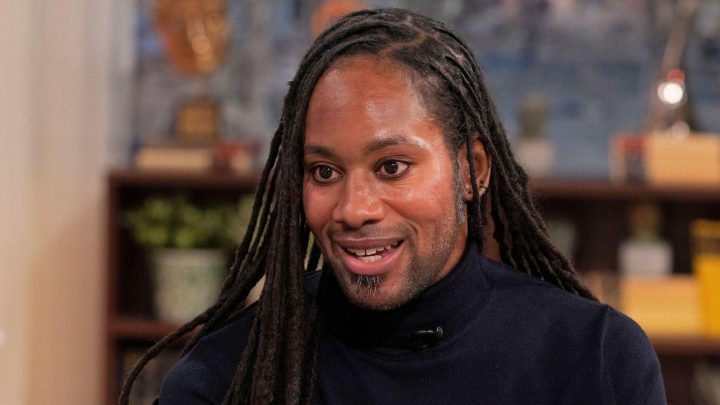
Watch: ‘Mood has really shifted’ as Paris protesters clash with police

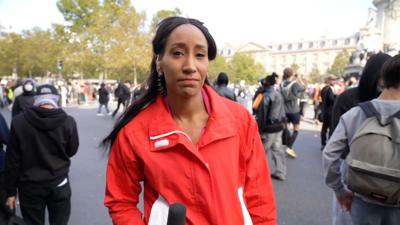
Table of Contents
Paris demonstrations expose deep frustration over public services and living costs
Ninoda.com – Tensions rose across Paris on Saturday as demonstrators gathered to voice anger over education, household costs and fuel prices. Police were deployed in the capital while protesters assembled in several areas, including the Place de la République, where concerns about inequality and the condition of public services were brought into sharp focus.
The demonstrations were part of a broader wave of planned action across France. Hundreds of protests had been scheduled, with tens of thousands of people expected to take part nationwide. While the movement includes a range of concerns, its recent momentum has been closely tied to dissatisfaction among students, families and education workers.
From suburban schools to a nationwide cause
The protests first emerged last month at high schools in Paris’s poorer northern suburbs. Early demonstrations centred on practical problems within schools, including teacher absences and deteriorating facilities. For many young people, these issues were seen not as isolated disruptions but as signs of a wider decline in the quality and reliability of public services.
As the campaign developed, the grievances expanded beyond individual schools. Protesters increasingly connected education problems with pressure on household budgets, rising fuel prices and the broader cost of living. The result has been a movement shaped by a common feeling that essential services are becoming harder to access and that the burden is falling unevenly on different communities.
“Mood has really shifted.”
That shift was visible in Paris on Saturday, where the atmosphere was more strained than at earlier gatherings. Demonstrations can bring together people with different priorities, but the themes driving this wave of protests have proved closely linked: the expectation that schools should be adequately staffed, public facilities should be maintained, and everyday necessities should remain affordable.
Why the demonstrations matter
Public protest in France often becomes a way for local frustrations to reach a national audience. In this case, the movement began with concerns that were specific to schools in disadvantaged areas of the Paris region. Its growth reflects how quickly problems affecting students and teachers can become part of a larger political conversation when they overlap with economic hardship.
Teacher shortages and poor school conditions have an immediate effect on pupils’ daily lives. Repeated absences can interrupt lessons and leave students uncertain about their progress, while neglected buildings and inadequate facilities can deepen the sense that some communities are receiving less support than others. When such concerns are raised alongside rising living costs, the issue becomes about more than education policy alone.
Fuel prices are also a sensitive subject because they affect commuting, family budgets and the cost of moving goods. For households already dealing with higher expenses, increases in transport costs can add to financial pressure. Protesters have placed these concerns alongside demands for stronger public services, arguing that economic and social challenges cannot be treated separately.
Police presence in the capital
Police deployments in Paris underlined the authorities’ expectation that Saturday’s demonstrations could become confrontational. Large protests in central public spaces require crowd management, particularly when multiple groups converge and emotions are running high. The presence of officers was part of the backdrop to a day marked by visible strain between protesters and police.
Place de la République is a significant gathering point for public demonstrations in Paris. Its location and symbolic role make it a familiar space for people seeking to make their concerns heard. On Saturday, it again became a focal point for a debate that has spread from suburban classrooms to streets across the country.
The protests are not solely about one policy demand or one group of participants. Their strength lies in the way separate pressures have been brought together: concern over educational standards, frustration with under-resourced facilities, the impact of teacher absences, and anxiety about the cost of everyday life. That combination has widened the appeal of the movement while also making its message more complex.
A test for the public debate
For those taking part, the demonstrations are a demand for attention to issues they believe have been allowed to worsen. Students who initially protested conditions in their own schools have helped draw attention to broader questions about fairness, investment and the standard of public provision.
The nationwide scale of the planned action indicates that these concerns resonate beyond the northern suburbs of Paris. Whether the protests lead to lasting policy changes will depend on how political leaders and public institutions respond to the complaints being raised. For now, Saturday’s events showed that frustration over schools and living costs has become a prominent force on the streets of France.
Related Reading
Frequently Asked Questions
What is Watch: 'Mood has really shifted' as Paris protesters clash with police?
Watch: 'Mood has really shifted' as Paris protesters clash with police is the main topic of this guide. The article explains the context, practical details, and next steps readers should understand.
Why does Watch: 'Mood has really shifted' as Paris protesters clash with police matter?
Watch: 'Mood has really shifted' as Paris protesters clash with police matters because readers are looking for a useful answer, not just a short summary. Good content should match search intent and help them decide what to do next.