Companies exploiting welfare system by using residents as ‘cash cows’, BBC finds

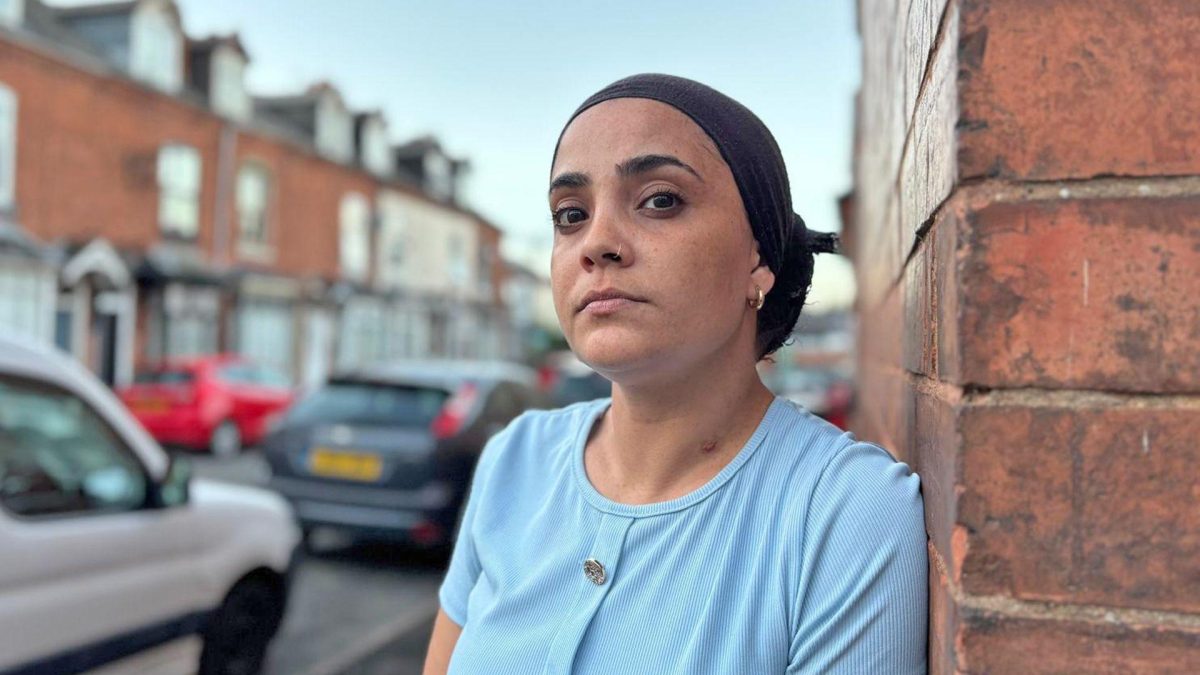
Table of Contents
Companies Exploiting Welfare System by Using Supported Housing
Ninoda.com – Companies exploiting welfare system by using supported exempt accommodation are putting vulnerable residents at risk while drawing substantial housing-benefit payments, a BBC Panorama investigation has found. The scheme is intended to provide housing, care, support and supervision for people with additional needs, including former prisoners, people recovering from addiction and women escaping domestic abuse.
Supported exempt accommodation can help people rebuild their lives when it is run properly. However, charities, politicians and residents have warned that parts of the sector are being exploited, with some providers allegedly receiving public money without delivering the support residents were promised.
Patricia Coleman-Taylor, who runs Birmingham anti-poverty charity Narthex, said vulnerable people were being treated as “cash cows to generate income” that ends up in landlords’ pockets.
Birmingham at the Centre of Concerns
The Department for Work and Pensions paid £410m for supported exempt accommodation in Birmingham alone during the last financial year. More than 34,000 people live in this type of accommodation in the city, compared with around 22,000 people in supported housing in London, despite London having a population more than seven times larger.
Labour MP Jess Phillips said spending taxpayers’ money while delivering poor support was “an absolute catastrophe”. She also stressed that some providers receiving this funding do provide genuine supported accommodation. Birmingham City Council leader, Liberal Democrat Councillor Roger Harmer, said taxpayers’ money was being wasted and described the situation as a scandal.
The investigation found concerns that some residents were left with little or no meaningful support in unsuitable properties. It also uncovered evidence that some providers were prepared to make benefit claims for people who did not live at their properties.
A Resident’s Experience of Limited Support
Alysha, who became homeless after leaving a violent marriage, lived in three supported exempt accommodation properties. One was a shared house managed by Second City Support Ltd. She said residents went eight days without heating or hot water after the boiler broke last December.
As a survivor of domestic abuse, Alysha said she needed practical help to move forward, including support with finding work. She said that support was not provided. Although adverts could promise weekly support sessions and help with GPs, she said the reality did not match those claims.
“I was at my wits’ end. I’d be begging [Second City] and they would just cut the call because they didn’t want to deal with it.”
The registered provider, not-for-profit Dawson Housing, received £443 a week in housing benefit for Alysha’s room and support costs through Birmingham City Council—around £23,000 a year. Dawson Housing hired Second City Support Ltd to manage the property and provide support.
Land Registry records showed that a sister firm, Second City Housing Properties, bought the house for £191,000 in 2024 and sold it a year later for £410,000. Both companies are owned by Darren Davey, who told Panorama that around £150,000 had been spent on renovation and associated costs before the sale.
Why Supported Exempt Accommodation Needs Scrutiny
Companies exploiting welfare system by using this model can undermine a service designed for people at an especially difficult point in their lives. The central issue is not supported housing itself, but whether providers deliver more than minimal care and whether public funding is linked to genuine, effective support.
For residents, failures can mean living in poor conditions without help to access healthcare, employment, safety or stable housing. For taxpayers, weak oversight can mean large benefit payments are made without confidence that the intended service is being delivered.
FAQ: Supported Exempt Accommodation in the UK
What is supported exempt accommodation?
It is housing for people with additional needs that should include care, support or supervision alongside accommodation. It can serve people leaving prison, recovering from addiction, fleeing domestic abuse or facing homelessness.
Who pays for supported exempt accommodation?
Housing benefit payments are funded by the Department for Work and Pensions and can be administered through local councils. In Alysha’s case, funding was received via Birmingham City Council.
Does every provider fail to support residents?
No. Jess Phillips said some providers do deliver supported accommodation properly. The investigation focused on concerns that some companies exploiting welfare system by using the scheme may receive funding while failing to provide the level of support residents need.