Katya Adler: France’s government under pressure after weekend of widespread violence

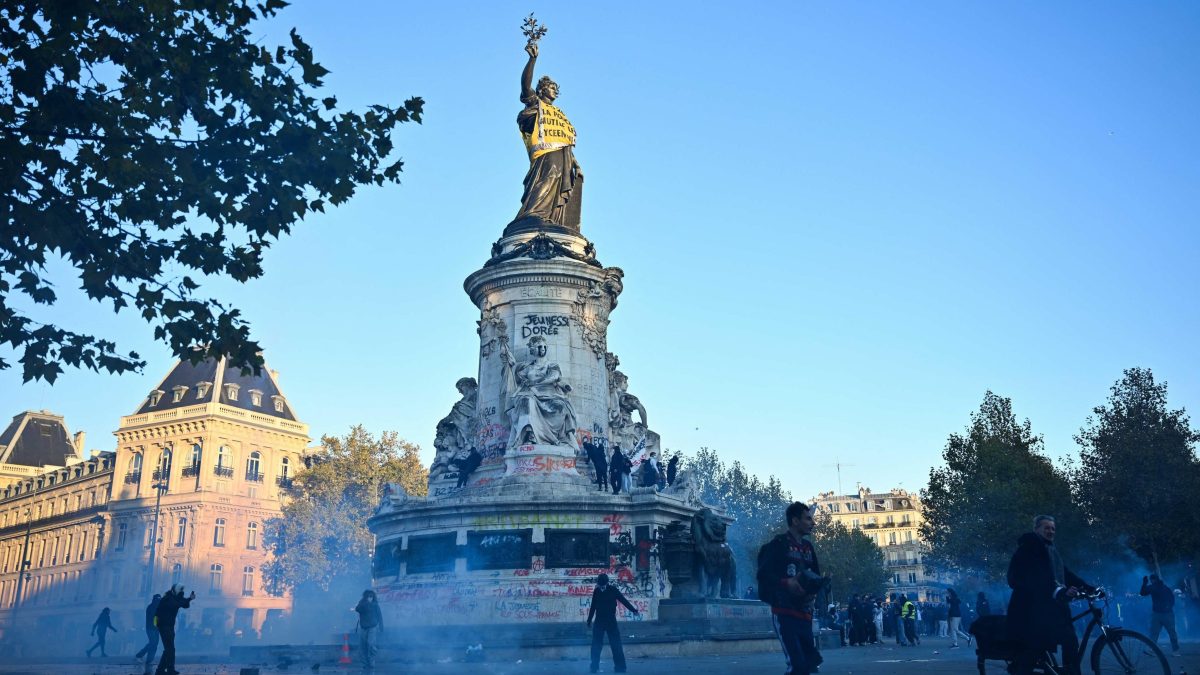
Table of Contents
Katya Adler: France Under Pressure After Weekend Violence
Ninoda.com – Katya Adler reports that France has entered a tense new week after widespread violence, looting and clashes with police left damage in cities across the country. The unrest has put President Emmanuel Macron’s government under pressure to explain why events escalated so severely.
Prime Minister Sébastien Lecornu called a crisis cabinet meeting on Monday as ministers assessed one of the most serious episodes of public disorder in modern France. The violence followed demonstrations on Saturday over rising living costs and fears about the availability and quality of public services, including state education.
Protests Turn Violent
More than half a million people took part in protests that were initially largely peaceful. However, groups of masked, black-clad activists and vandals later appeared in several locations, changing the mood and scale of the events.
About 1,500 shops and businesses were looted or damaged, while public buildings were also targeted. Police used tear gas and water cannon during confrontations, and footage from several areas showed officers using batons.
The Interior Ministry said around 1,000 police officers were injured on Saturday, including seven who suffered serious injuries. Katya Adler notes that the scale of the damage has intensified questions about whether the authorities were sufficiently prepared for multiple planned demonstrations.
Interior Minister Stays in Office
Interior Minister Laurent Nuñez offered his resignation on Monday morning, but President Macron asked him to remain in his post. Instead, Nuñez was asked to examine how public safety could be improved and how those responsible for violence could be brought before the courts.
Opposition politicians, some unions and online commentators have criticised the authorities, arguing that too few officers were deployed or that preparations did not match the risks. Yaël Braun-Pivet, president of the National Assembly, has called for an inquiry into the events.
Any investigation is likely to examine the level of preparation, the police response and why destruction spread so widely despite advance knowledge of planned protests.
Paris Becomes a Symbol of Unease
In Paris, smashed storefronts and defaced landmarks became symbols of the country’s unsettled mood. Near a line of damaged businesses, a message painted in red captured the feeling in the capital.
“Things are dark in the City of Light.”
The words referred to Paris’s famous nickname, while reflecting concern felt well beyond the capital. The Statue de la République in central Paris was among the sites defaced over the weekend, and a historic town hall was set on fire elsewhere in the country.
Macron Faces Political Questions
Before his televised address on Sunday, there had been speculation that Macron could impose a limited curfew in some areas or declare a state of emergency. He did neither, instead appealing for national unity and promising consequences for rioters and vandals.
That response has been criticised by political opponents and in French media for offering limited practical detail. As Katya Adler observes, questions remain over how suspects will be identified and prosecuted, how commercial districts might be protected during future demonstrations, and whether badly affected businesses will receive compensation.
The government must also address the concerns that prompted the protests: pressure on household finances, education and public services. Demonstrations began last month after concerns were raised by students and teachers’ organisations.
Sophie Binet, secretary general of the CGT union, said Macron had failed to engage with worries about students, the cost-of-living crisis and weakening public services. Lecornu is now expected to play a more prominent role in the government’s response.
A Fragile Moment for France
The violence comes at a difficult time for Macron, who is widely viewed as nearing the end of his political influence. France is six months away from a presidential election to choose his successor, with the contest already becoming more intense.
Marine Le Pen, from the nationalist anti-immigration right, and Jean-Luc Mélenchon, associated with the anti-capitalist left, are both seeking attention in an increasingly polarised political climate. Street unrest has added to tensions in a country already divided in parliament.
France’s National Assembly is split among three competing political blocs, making agreement on major policy decisions difficult. The government also faces pressure to reduce public debt, yet further cuts to welfare or public services could deepen the frustrations behind the protests.
France Unrest FAQ
Why did the protests begin? Demonstrators raised concerns about living costs, education and the condition of public services. Students and teachers’ organisations had voiced concerns in the weeks before the weekend unrest.
What is the government doing now? The prime minister has convened a crisis cabinet meeting, while the interior minister has been asked to review public-safety measures and pursue those responsible for violence.
Could more demonstrations take place? Further protests remain a concern, particularly if the government does not address the social and economic grievances that helped bring large numbers of people onto the streets.
Related Reading
Frequently Asked Questions
What is Katya Adler?
Katya Adler is the main topic of this guide. The article explains the context, practical details, and next steps readers should understand.
Why does Katya Adler matter?
Katya Adler matters because readers are looking for a useful answer, not just a short summary. Good content should match search intent and help them decide what to do next.