Israel heads to polls for pivotal election defined by security and democracy

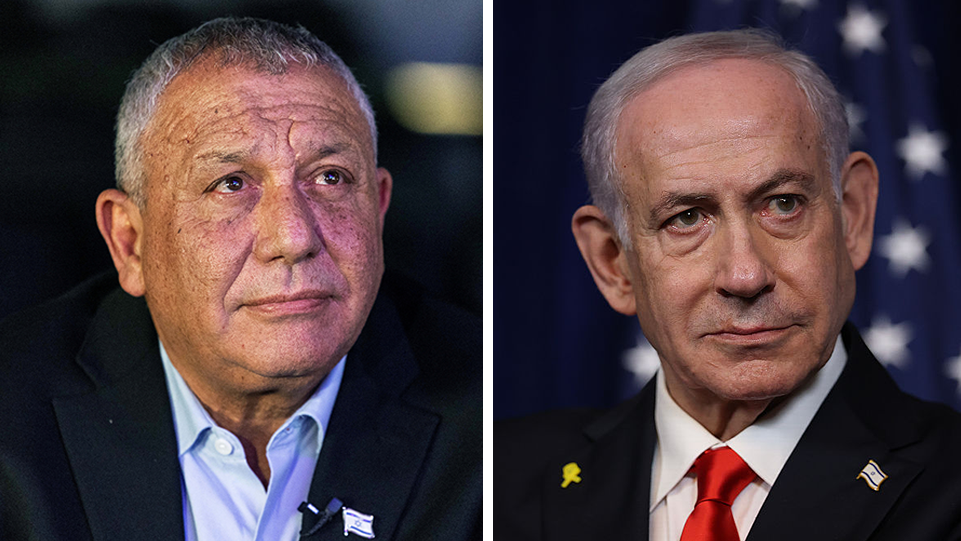
Table of Contents
Israel Heads to Polls for Pivotal Election Amid Security and Democracy Debate
Ninoda.com – Israel heads to polls for pivotal election as voters weigh national security, military service and concerns about democratic institutions. The contest is expected to be close, with no major political camp projected to win enough parliamentary seats to govern alone.
Prime Minister Benjamin Netanyahu is competing closely with former military chief Gadi Eisenkot. A poll released on Friday showed the two figures in a near tie, while neither side appeared likely to reach the 61 seats needed for a majority in parliament. Coalition negotiations could therefore determine who forms the next government.
Security remains at the centre of the campaign
The 7 October Hamas-led attacks have shaped the election debate. Nearly 1,200 people were killed in Israel during the attacks and 251 people were taken hostage to Gaza. Netanyahu’s opponents have described the events as a major security failure and called for an independent inquiry.
Netanyahu has opposed establishing such a commission, saying it would be unfairly biased against him. Instead, he has focused on his long-standing security message, presenting himself as the leader best able to respond to threats across the Middle East. He has also highlighted his relationship with US President Donald Trump.
In the final days of campaigning, Netanyahu shared an AI-generated image showing a nuclear explosion over Tel Aviv. The message argued that he was the only leader able to protect Israel if Iran obtained nuclear weapons. Eisenkot called Netanyahu “hysterical” in response.
Netanyahu has also denied claims that he sought military action that could have triggered a confrontation with Iran before the vote, or that he encouraged Trump to approve further strikes on Iran.
Israel heads to polls for pivotal coalition battle
Israel’s proportional electoral system makes coalition-building essential. Even the largest party normally needs support from smaller parties, and pre-election promises can make those negotiations more difficult. Israel heads to polls for pivotal moment in which alliances after the vote may matter as much as the result itself.
Eisenkot leads the newly formed Yashar Party and is the leading figure in the so-called “change bloc”. The group includes politicians with sharply different views, but they share the goal of ending Netanyahu’s time in office.
Former prime minister Naftali Bennett and Avigdor Lieberman are prominent right-wing figures within the wider opposition camp. Yair Golan, a former general with more left-leaning positions, is also part of the broader grouping. Their willingness to cooperate could be decisive if Netanyahu’s allies do not secure a majority.
Netanyahu first became prime minister in 1996 and remains one of Israel’s most influential political leaders. His route to another term depends heavily on support from far-right and ultra-Orthodox parties in his current governing alliance, described as the most right-wing coalition in Israel’s history.
Courts, corruption and conscription
Israel heads to polls for pivotal vote with arguments over democracy still unresolved. Netanyahu is facing an ongoing corruption trial and denies the allegations. Opposition parties have also criticised his support for judicial reforms that prompted large protests before the 7 October attacks.
For many voters, the debate over the powers of courts and elected leaders now sits alongside concerns about war and regional instability. The election could influence both the next government and Israel’s approach to democratic institutions.
Military service is another major point of dispute. Netanyahu’s government has not enforced a Supreme Court ruling requiring ultra-Orthodox Jewish men engaged in full-time religious study to be drafted. The issue has become especially sensitive while thousands of other Israelis have been called up during recent conflicts.
Two ultra-Orthodox parties are members of Netanyahu’s coalition and have supported protests against conscription. Their backing may be essential to his political future, but the issue could complicate efforts to build a stable government after the election.
Frequently Asked Questions
Why is this Israeli election considered pivotal?
The vote is focused on security after the 7 October attacks, the future of Netanyahu’s government, military conscription and disagreements over democratic institutions. No clear governing majority is expected, increasing the importance of coalition talks.
Who are the leading figures in the election?
Benjamin Netanyahu is seeking to remain prime minister, while former military chief Gadi Eisenkot is his main rival. Other influential figures include Naftali Bennett, Avigdor Lieberman, Yair Golan, Itamar Ben Gvir and Bezalel Smotrich.
What happens if no party wins 61 seats?
Parties must negotiate to form a coalition with enough support in parliament. If those talks fail, Israel could face political uncertainty and potentially another election.