As Trump turns 80, what’s it really like to work as an octogenarian?

As Trump Turns 80, What’s It Really Like to Work in Your 80s?
Ninoda.com – On February 25, Arthur Rose retired from his role as an internist after a career spanning over six decades. The decision, made on his 95th birthday, was influenced by his brother’s passing at the same age during the pandemic. “The job no longer brought the same level of satisfaction,” Rose reflected. “I just wasn’t getting that same kind of exhilaration.” Rose, from Michigan, is part of a growing demographic of Americans who continue working well beyond traditional retirement age, which is typically 67 in the U.S.
The Rise of Late-Career Employment
Pew Research Center notes that the proportion of Americans aged 65 and above in the workforce has surged fourfold since the mid-1980s, with nearly 19% of this group currently employed. These individuals occupy diverse roles, from lawmakers and corporate leaders to independent professionals. This year alone, 24 U.S. legislators are over 80, including Senator Chuck Grassley, who is 92.
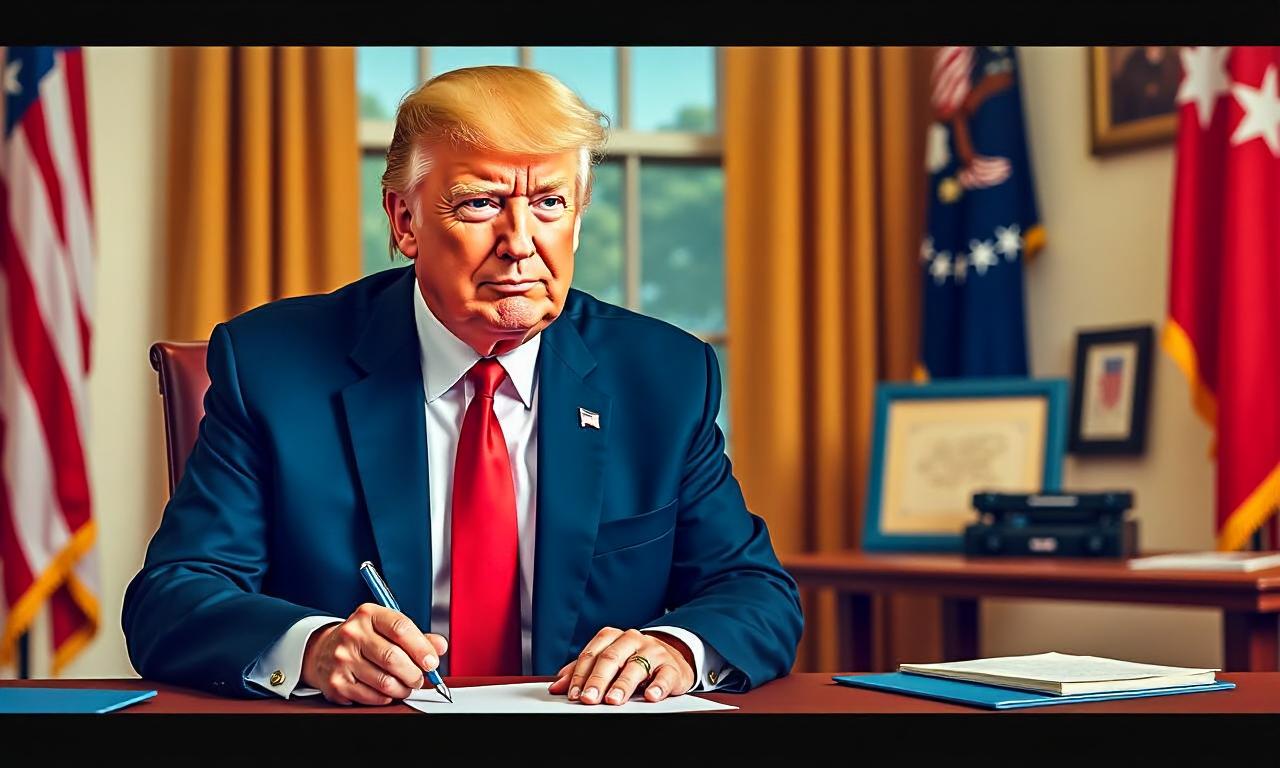
President Donald Trump, who is celebrating his 80th birthday, is the second-oldest U.S. leader in history, following Joe Biden, who retired at 82. Trump also ranks among the oldest world leaders, according to Pew data. Experts agree that working into later years demands resilience, yet the trend shows no signs of slowing.
Reasons for Delayed Retirement
Several factors are driving this shift, aging specialists suggest. Improved healthcare has enabled more Americans to reach their 80s, creating a larger pool of older workers. For some, financial needs remain a key motivator, as living costs rise. A recent survey by Indeed Flex reveals that nearly 30% of retirees are considering part-time or temporary jobs, with over 60% citing the cost of living as a primary reason.
Social engagement also plays a role. About half of those surveyed mentioned a desire for connection as a factor. “People are beginning to see age as less of a barrier,” said Gordon Lithgow, a professor at the Buck Institute for Research on Aging. “It’s not about how old you are, but whether you’re qualified for the work.”
Challenges and Concerns
While experience is often an asset, aging can also present challenges. Cognitive decline and reduced stamina may impact performance, though many older workers counteract these effects through discipline and adaptability. These concerns became prominent in 2024 when Joe Biden withdrew from the presidential race, citing worries about his cognitive abilities after a weak debate appearance.
Similar scrutiny is now falling on Trump as he reaches 80. At a congressional hearing, Democrat Ted Lieu highlighted videos showing the president appearing drowsy in meetings, suggesting “something very wrong.” Secretary of State Marco Rubio dismissed the remarks as “absurd,” asserting that Trump “doesn’t sleep, which is a big problem.” Trump’s physician, however, explained that the president’s hand injuries are due to “minor soft tissue irritation from frequent handshaking combined with aspirin use for heart health.”
Recent medical assessments at Walter Reed National Military Medical Center described Trump as “in excellent health,” with his doctor noting that his “demanding daily schedule supports overall well-being.” Yet, even in peak condition, rest remains vital for older professionals. Lithgow emphasized that chronic stress, such as sleepless nights, can accelerate aging at a cellular level. “It’s real biological stress,” he said. “It affects the body’s ability to recover and sustain performance.”