Michael Fassbender says it is becoming harder to know what to trust online

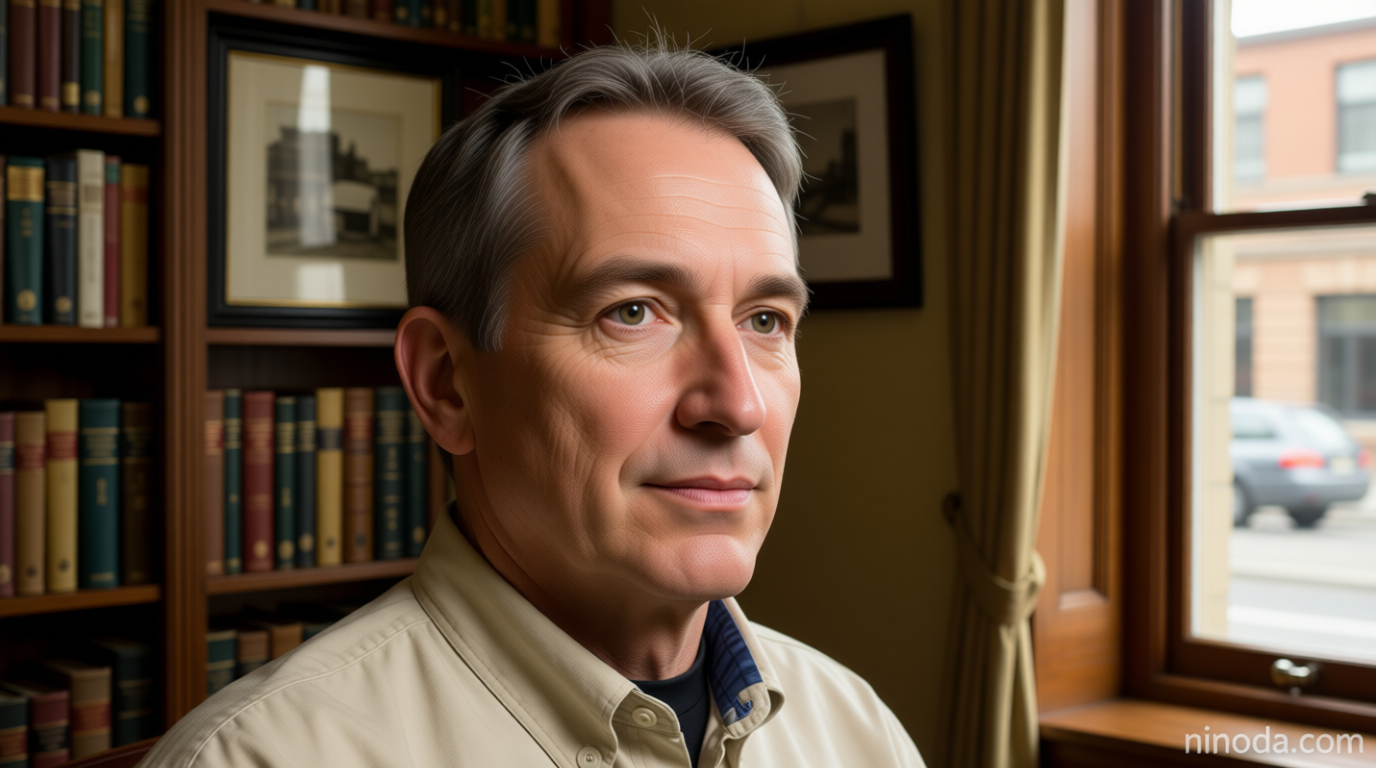
Michael Fassbender on the Erosion of Trust in the Digital Age
Ninoda.com – As artificial intelligence becomes more prevalent, the concept of trust is under greater scrutiny, a theme that resonates deeply with the new season of The Agency. This Paramount+ series, which adapts the acclaimed French drama The Bureau, follows CIA agents who live under false identities, delving into the psychological toll of sustained deception. Starring Michael Fassbender, Richard Gere, and Katherine Waterston, the show has sparked debate about its approach to storytelling.
The Agency’s Narrative Focus
The series challenges viewers to question the nature of truth, a concept central to its identity. “The show’s strength lies in its grounded portrayal of the isolation and moral complexities that come with a life of lies,” Fassbender explains. His character, Martian, embodies the transformation of an idealistic agent into someone whose convictions have been tested over decades of covert work.
“What sets it apart is that it leans more into the John le Carré experience—the loneliness, the reality of the world,” he says.
While some critics found the show’s deliberate pacing slow, others praised its depth. The New York Times highlighted its ability to make viewers question the motives behind seemingly vulnerable moments, noting that “we’re never quite sure what Martian’s angle is.” Conversely, The Guardian described it as “a slow and ambling show that moved with all the urgency of the recently tranquillised.”
Fassbender believes the show’s measured tempo reflects the real-world challenges of espionage. “The first season is a slow burn—things reveal themselves gradually, and characters intertwine over time,” he says. “It’s not about big explosions, but the quiet anxiety of a world where everything is at stake.”
AI and the Evolution of Trust
Katherine Waterston, who portrays Naomi, a former handler of Martian, ties the series’ themes to contemporary issues. “We’re in a quagmire where even real things feel suspicious,” she observes. “The rise of AI has made these questions more urgent.” She argues that the technology’s integration into daily life has blurred the lines between truth and fabrication, creating a “Wild West” of information.
“Everything else we consume is regulated, so why do we have a Wild West when it comes to AI?” she asks.
Fassbender echoes this sentiment, warning of AI’s potential to amplify deception. “The creators might not even grasp its full impact, which is terrifying,” he says. The actors note that while their roles involve navigating complex lies, real-life spy work is less demanding than the mental strain of maintaining a cover.
For Fassbender, the biggest challenge is balancing his career with family life. “The hours are long, but I feel lucky to do what I love,” he says. He also admits to being caught off guard by misinformation online, a situation his wife, Oscar-winning actress Alicia Vikander, often helps him navigate. “She’ll ask, ‘Where did this come from?’ and I’m left fact-checking,” he recalls.