Congress passes war powers measure for first time, breaking with Trump over Iran

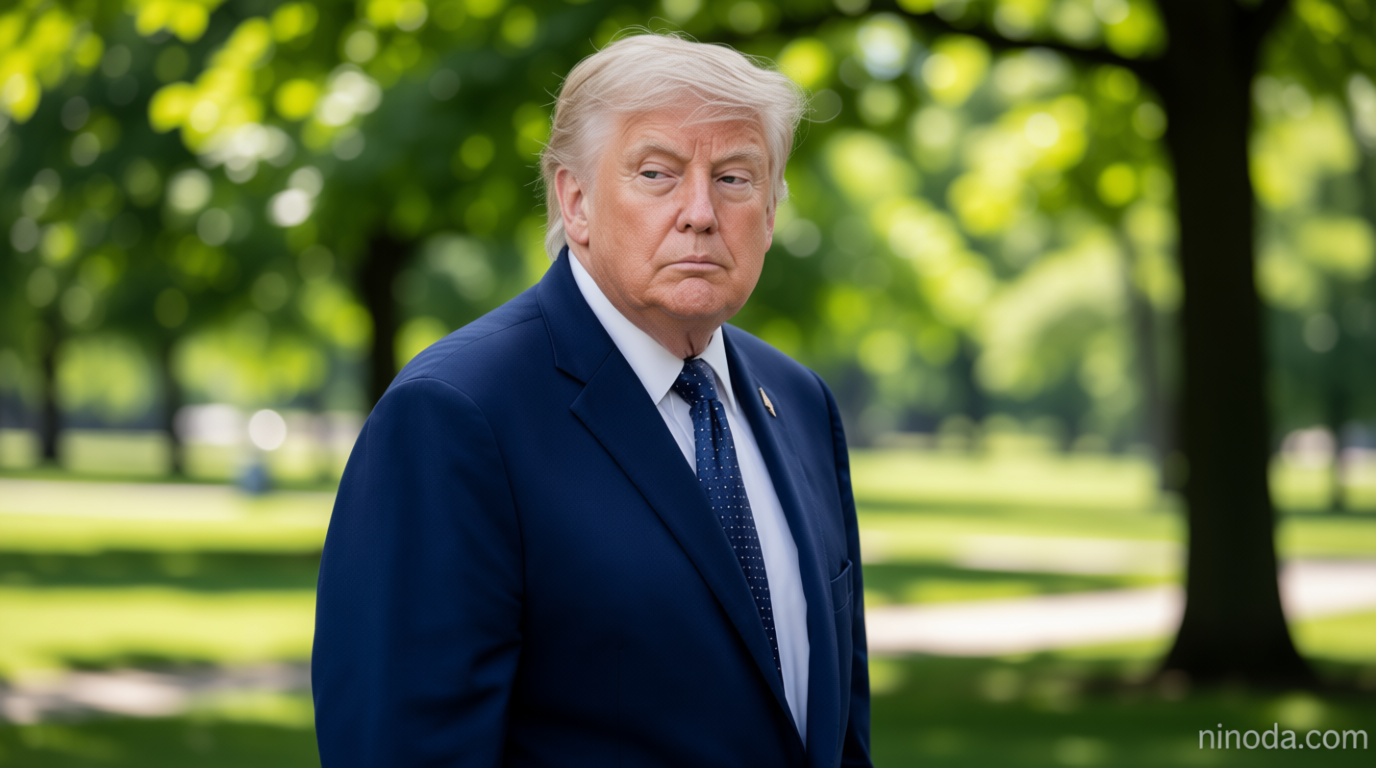
Congress Passes War Powers Measure, Breaking with Trump Over Iran
Ninoda.com – The U.S. Congress has approved a war powers measure for the first time since the 1973 War Powers Resolution, signaling a bipartisan effort to curtail President Trump’s military actions in Iran. The resolution, which passed with a narrow 50-48 vote, calls for either an end to the Iran conflict or congressional approval for ongoing operations. Although it lacks legal force and will not be signed by Trump, the measure reflects growing frustration among lawmakers over the administration’s approach to the war. This development marks a pivotal moment in American political history, as it highlights a rare alignment between Republicans and Democrats on a war-related issue, challenging Trump’s executive authority in the Middle East.
Historical Context and Political Significance
Passed in 1973, the War Powers Resolution was designed to prevent presidents from committing troops to foreign conflicts without congressional consent. This new measure, however, is not a binding law but a concurrent resolution—a symbolic statement that requires presidential action to take effect. The vote comes amid increasing public pressure to end the Iran war, which has drawn criticism for its prolonged duration and lack of clear objectives. With the House having already passed the same resolution earlier this month, the Senate’s approval underscores a shift in political dynamics, as Republicans who once supported Trump’s military strategy now find themselves divided.
President Trump has criticized the measure, calling it a “poorly timed and meaningless” attempt to undermine his leadership. In a post on Truth Social, he claimed the resolution was a “slap on the wrist” for the Senate, arguing that it fails to address the real threats posed by Iran. Despite his objections, the vote highlights the tension between executive power and legislative oversight, a theme that has defined much of Trump’s presidency. The resolution’s passage is significant because it breaks with Trump’s past approach, where he often resisted congressional intervention in foreign policy decisions.
Republican Divisions and Midterm Implications
While the resolution passed with the support of