
Watch: Lightning strikes seen across UK

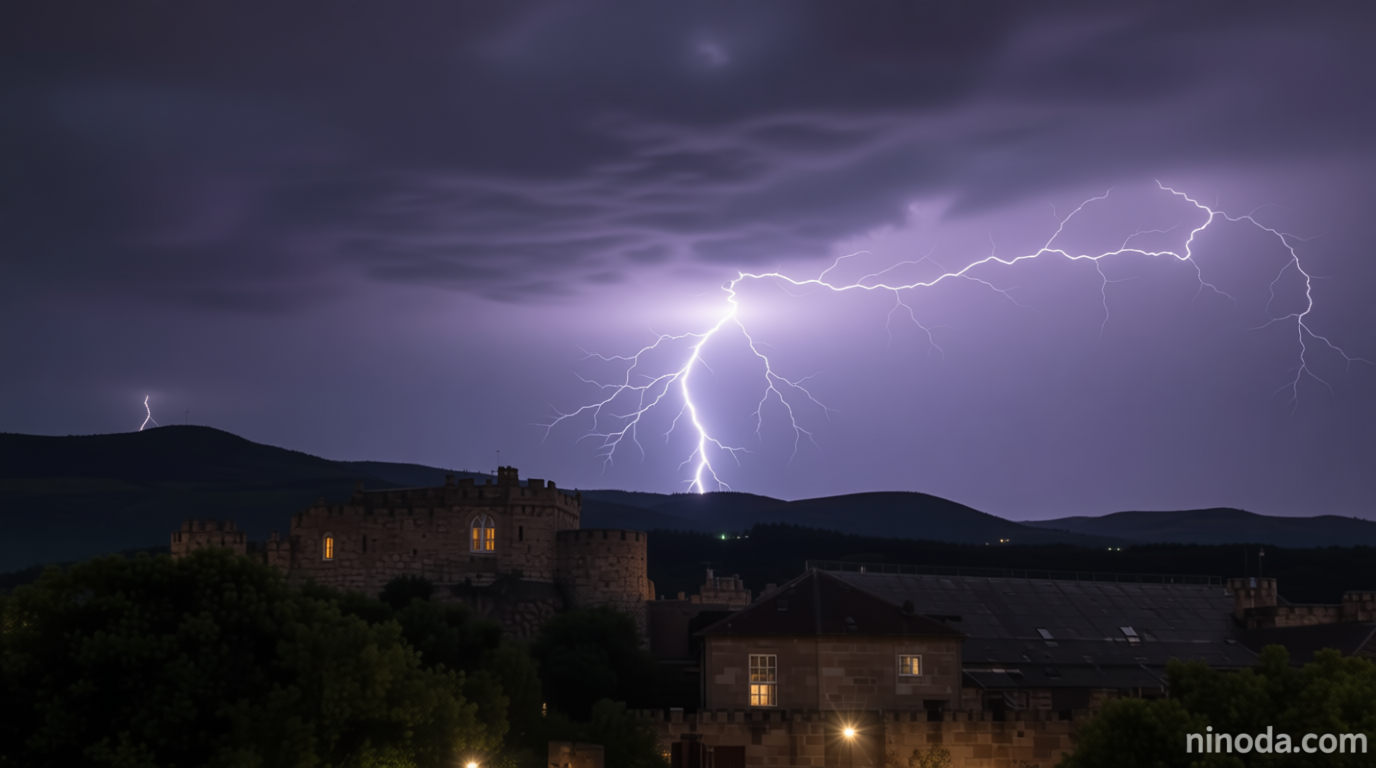
Lightning Illuminates UK Skies Amid Heatwave
Ninoda.com – On a sweltering Friday, the UK witnessed a dramatic display of atmospheric activity as lightning strikes blanketed the country across multiple regions. The phenomenon, captured in real-time footage shared on platforms like Twitter and Facebook, showcased the intense power of nature during a period of extreme heat. From the iconic rooftops of Edinburgh Castle to the bustling streets of Bristol and Manchester, the lightning illuminated the landscape, creating a striking contrast against the bright summer sky. Northern Ireland and Wales also reported numerous strikes, emphasizing the widespread nature of the storm system that swept through the region. This event has sparked widespread interest, with many viewers describing the visuals as “unbelievable” and “nature’s spectacle.” The footage, which highlights the scale of the lightning activity, serves as a vivid reminder of the unpredictable weather patterns that can emerge even in typically stable climates.
The Heatwave’s Role in Triggering Storms
The lightning strikes were closely linked to the UK’s ongoing heatwave, which had pushed temperatures to record highs in several areas. As the atmosphere grew increasingly unstable due to the prolonged period of intense heat, moisture levels rose, creating the perfect conditions for thunderstorms. Meteorologists explained that the combination of warm air rising and cooler air sinking generated strong convective currents, leading to the formation of lightning. While such activity is more common in southern regions, the storms affected areas as far north as Scotland, underscoring the broader impact of the weather event. The intensity of the lightning, coupled with the heatwave, has raised questions about the frequency of extreme weather occurrences in the UK, with some experts suggesting that climate change may be contributing to more volatile patterns.
“The heatwave has created a perfect storm for lightning, as the rapid temperature changes trigger atmospheric instability,” noted Dr. Emily Carter, a meteorologist with the Met Office.
Community Reactions and Social Media Buzz
Residents across the UK were left in awe by the lightning display, with many taking to social media to share their experiences. Hashtags like #UKLightning and #StormInSummer trended for hours, showcasing the public’s fascination with the natural phenomenon. Videos of the lightning strikes, often accompanied by dramatic sound effects and captions, circulated widely, drawing comparisons to scenes from movies. In some areas, such as the Scottish Highlands, the storms were accompanied by heavy rainfall, prompting local authorities to issue advisories for potential flooding. The footage not only captivated viewers but also served as a catalyst for discussions about the importance of weather preparedness. Meanwhile, in urban centers like London and Birmingham, the lightning added a unique element to the otherwise calm summer day, creating a sense of wonder among onlookers.
Safety Measures and Regional Impacts
Despite the visual appeal of the lightning strikes, safety was a key concern for local authorities. In regions where the storms hit hardest, such as the north of England and parts of Wales, emergency services were on high alert. Lightning is known to pose risks to both people and infrastructure, and the Met Office warned of the potential for power outages and flash flooding. Many homeowners took precautions, securing outdoor items and ensuring their homes were equipped with surge protectors. Schools and businesses in affected areas also adjusted their schedules to avoid peak storm hours. The event highlighted the importance of staying informed during extreme weather, with apps and websites providing real-time updates on lightning activity. In some cases, the lightning was so frequent that it disrupted transportation, including train services and flights, further emphasizing the disruptive power of the storms.
Historical Context and Climate Change Implications
While lightning strikes are a regular occurrence in the UK, the intensity of this event has drawn comparisons to historical records. Data from the past decade shows a steady increase in thunderstorm frequency, particularly in regions experiencing warmer temperatures. This trend aligns with broader climate change patterns, as rising global temperatures are believed to enhance atmospheric conditions that foster lightning. Experts warn that such events may become more common in the future, with implications for both weather forecasting and disaster management. The recent display of lightning across the UK has also prompted conversations about the need for improved infrastructure to withstand extreme weather. For instance, the integration of lightning detection systems in urban planning could help mitigate risks for densely populated areas.
Conclusion: A Reminder of Nature’s Power
As the heatwave begins to subside and the weekend offers a chance for calm, the recent lightning strikes serve as a powerful reminder of the UK’s dynamic weather systems. While the dramatic footage has captured the public’s imagination, it also underscores the importance of monitoring atmospheric changes, especially in regions unaccustomed to such extreme conditions. The event has been a topic of discussion among weather enthusiasts and scientists alike, with many calling for greater awareness of the signs that indicate an impending storm. For those who witnessed the lightning, the experience was unforgettable, blending the beauty of nature with its inherent unpredictability. The phrase “Watch: Lightning strikes seen across UK” has become a symbol of this extraordinary weather event, highlighting both the wonder and the challenges it presented.