‘People don’t realise how at risk they are’: A day with an ambulance service in a heatwave

People Don’t Realise How At Risk They Are: Exeter Ambulance Service in a Heatwave
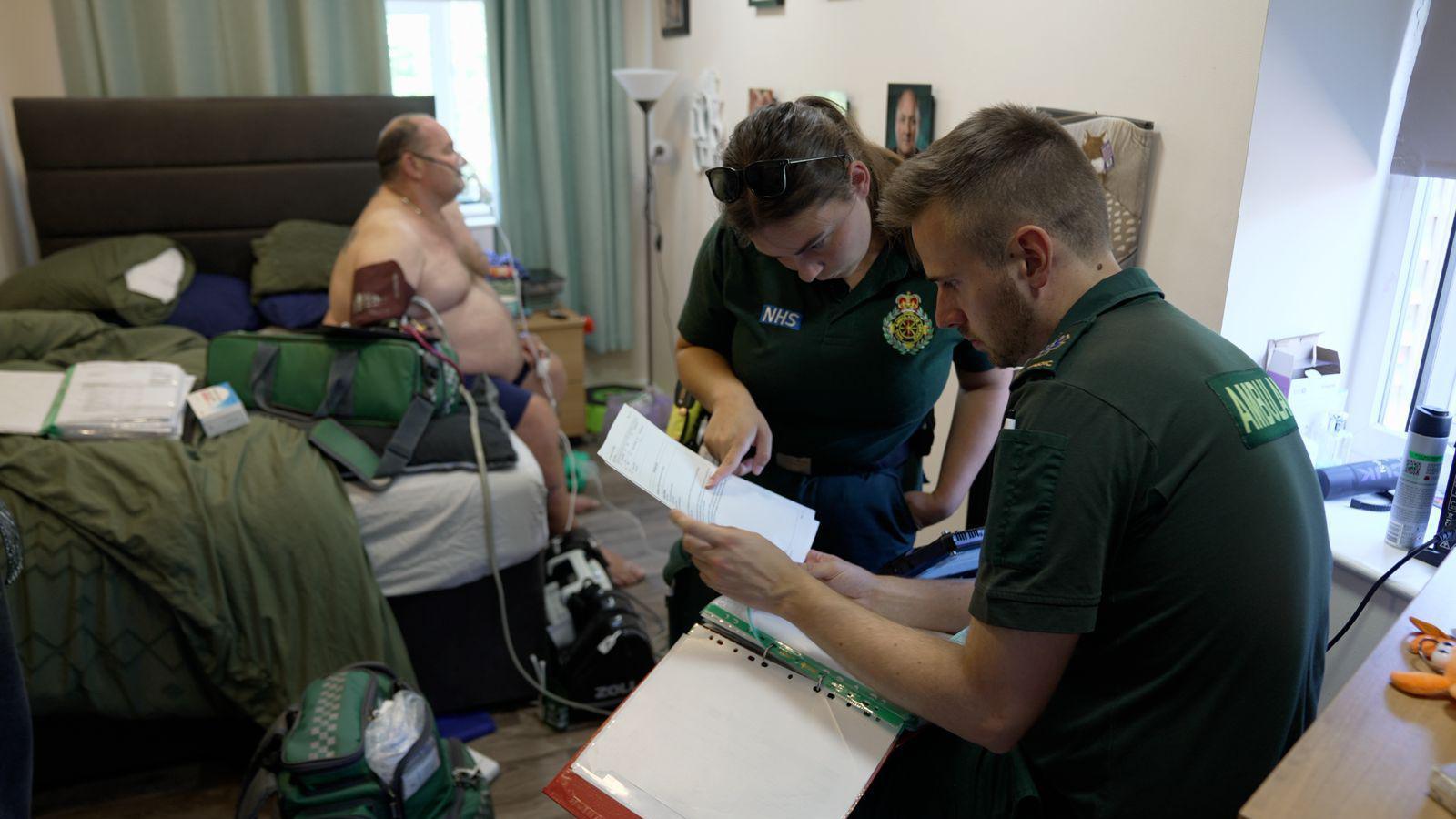
Ninoda.com – As a record-breaking heatwave gripped the UK, Exeter’s ambulance crews faced mounting pressure, revealing a stark reality: people often underestimate the dangers of extreme heat. Paramedics Connor Gilronan and Charlotte Sherston documented a day of high-stakes emergencies, highlighting how individuals—especially the elderly—may not grasp the severity of their situation. Their first call involved Andrew, a 55-year-old man with asthma and chronic lung disease, who struggled to breathe or speak due to overheating. The incident underscored the urgent need for awareness about the hidden risks of heatwaves, a theme that resonated throughout the day.
The Hidden Perils of Extreme Heat
Heatwaves are not just about discomfort—they can be life-threatening, particularly for those with pre-existing health conditions. During the heatwave, Charlotte emphasized the importance of hydration and cool environments, noting that “people don’t realise how at risk they are when temperatures soar.” Exeter’s paramedics often prioritized managing dehydration and heat exhaustion, which can lead to more severe complications like heatstroke. Andrew’s case was a reminder that even minor symptoms can escalate quickly, especially in vulnerable populations.
“Heatwaves are a silent killer,” said Charlotte, reflecting on the challenges faced by the team. “People die in the heat, not because they’re reckless, but because they’re unaware of how at risk they truly are.” This sentiment echoed through the service as crews tackled multiple cases, each revealing the underestimated impact of rising temperatures on health.
Escalating Emergency Calls
The South Western Ambulance Service reported a dramatic increase in call volume during June’s heatwave, with daily incidents rising from 3,000 in winter to over 4,000. Dr. John Martin, the trust’s chief executive, explained that “heatwaves strain the system in ways that are both predictable and intense,” as the demand for emergency care surged. The service, covering 10,000 square miles from Cornwall to Swindon, anticipated ongoing pressure this week, with heat-related illnesses and water-related injuries becoming more common.
The relentless heat also affected call handlers, who described the workload as “exhausting.” Claire Havelock, a central hub operator, recounted how staff worked non-stop, barely pausing for breaks. The increased calls meant that “ambulance – is the patient breathing” became a repeated mantra throughout the day, showcasing the high-stakes environment of the service. As the heatwave continued, the pressure on resources grew, with teams stretched thin across multiple regions.
Vulnerable Populations in Crisis
Exeter’s paramedics frequently encountered elderly residents and individuals with chronic conditions, whose risks were amplified by the heat. During one call, Charlotte and Connor assessed an elderly resident who had fainted, revealing dehydration as the primary concern. “This could have been avoided with better preparation,” Charlotte remarked, underscoring how lack of awareness contributes to preventable emergencies. The incident highlighted the critical role of education in mitigating heat-related health risks.
Later in the day, the crew responded to a woman experiencing seizures, a case that exposed the dangers of stifling environments. Her cottage, with limited ventilation, created a perfect breeding ground for heat-induced complications. Charlotte expressed concern about the patient’s high blood pressure and recent stroke history, stressing that “dehydration makes all underlying conditions far more dangerous.” These experiences illustrated the diverse ways heatwaves impact health, from respiratory issues to neurological emergencies.
Preparing for the Heatwave’s Aftermath
As the sun set, Charlotte and Connor continued their efforts, demonstrating the unending demand for emergency services. Despite their exhaustion, the team remained vigilant, responding to new calls with urgency. The heatwave had tested their resilience, but it also highlighted their dedication to saving lives in challenging conditions. “We’re always ready, but the heatwave has pushed us to our limits,” Connor admitted, reflecting on the day’s intensity.
Looking ahead, the ambulance service is working to enhance preparedness for future heatwaves. Staff have been trained to identify early signs of heat-related illnesses, and additional resources are being allocated to high-risk areas. The experience in Exeter serves as a cautionary tale for communities nationwide, where “people don’t realise how at risk they are” in the face of rising temperatures. By prioritizing education and proactive measures, the service aims to reduce the strain on its teams and improve outcomes for those most vulnerable.